Many middle-aged people and seniors fear losing their independence as years advance. This concern drives the need for proactive steps toward healthy aging. Science-backed approaches can deliver real gains in the years ahead by focusing on daily routines that support longevity and well-being. Johns Hopkins outlines five healthy steps that work at any age, including staying active and eating well five healthy steps. These actions help maintain function and reduce disease risk. Harvard research shows lifestyle strategies involving diet and activity promote a healthy long life longevity lifestyle.
Implementing these habits now prevents decline later. Stanford studies on successful aging in the 60s and 70s stress preserving mobility and mental function through consistent exercise and social engagement. A life cycle review confirms comprehensive strategies enhance healthy aging outcomes across decades. Incorporating elements from the Mediterranean diet as recommended in recent longevity studies can further boost benefits. This includes plenty of vegetables, fruits, whole grains and healthy fats. Physical activity like walking or strength training supports joint health and heart function according to NIH guidelines.
Mental health plays a key role too with social connections and stress management aiding overall wellness. These combined efforts create a robust plan for graceful aging. The data from multiple institutions underscores how these approaches yield measurable improvements in quality of life for those who begin early. Readers who follow such evidence based advice often report greater energy levels and fewer health complications as they age.
Adopt a Mediterranean-Style Plate for Proven Longevity Gains
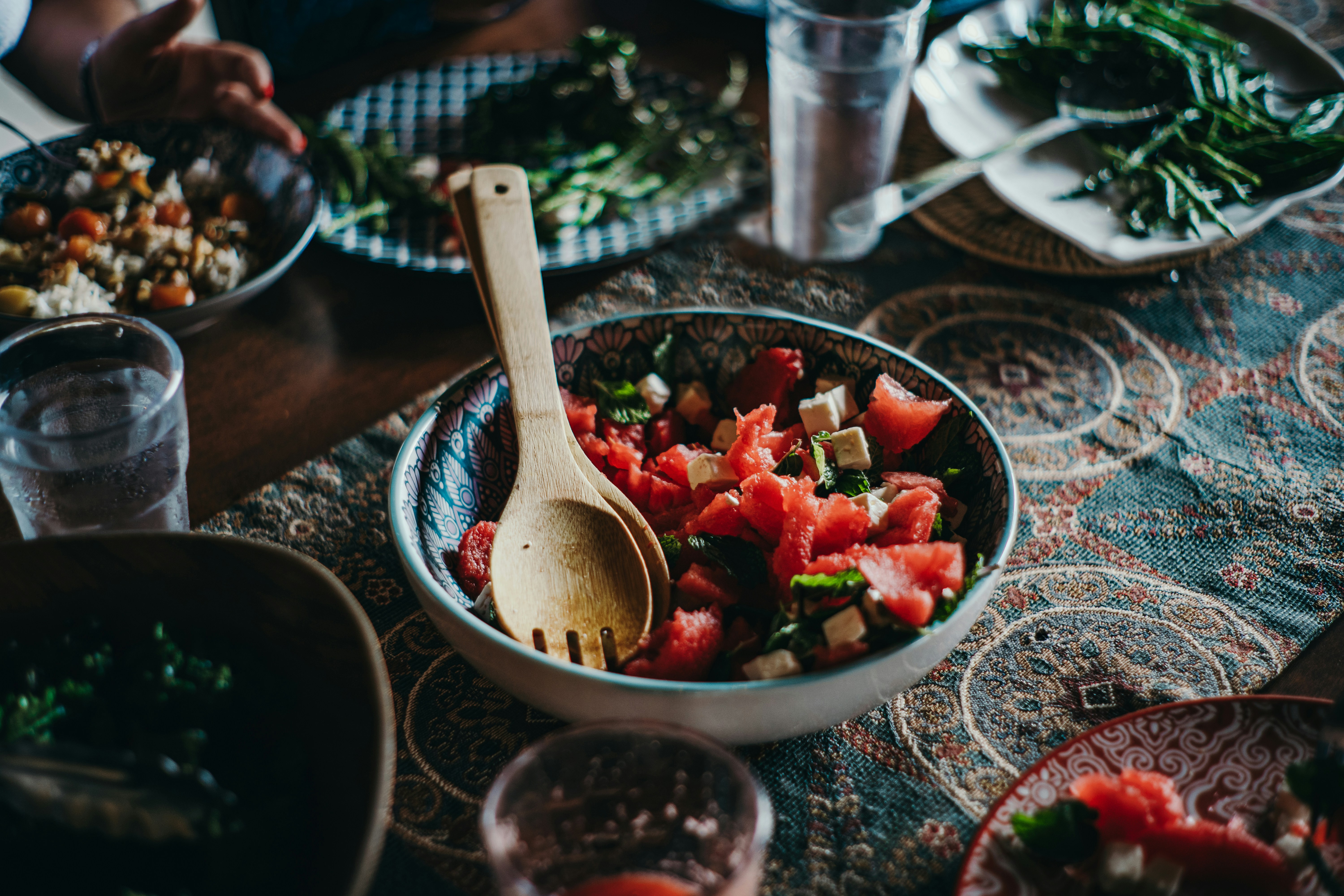
The Mediterranean diet stands out for its ability to enhance longevity among middle-aged adults and seniors seeking graceful aging. Emphasis on plant-based foods, healthy fats like olive oil, and moderate fish intake delivers documented health advantages. Recent analyses tie this pattern to lower incidence of cardiovascular issues and diabetes.
Starting tonight means filling half your plate with colorful vegetables and including nuts as snacks. Swap butter for olive oil in cooking and choose whole grains over white bread. These changes accumulate benefits without requiring complete overhaul.
Clinical data indicates the Mediterranean diet reduces oxidative stress and supports brain health. It complements other longevity measures by providing essential nutrients that sustain physical function. Adherents often experience improved cholesterol levels and better blood pressure control.
Incorporate legumes and herbs for flavor while minimizing red meat and sweets. Weekly seafood and fermented dairy round out the framework for balanced intake. Sustainability comes from its flexibility and enjoyment factor.
Long-term adherence correlates with extended healthspan according to multiple reviews in nutritional science. Pairing meals with mindful eating further amplifies positive outcomes for seniors. This style avoids extremes, making it suitable for diverse preferences and cultural backgrounds.
Expert sources underscore its role in promoting active years ahead through consistent nutrition choices. Supporting evidence from large cohort studies shows decreased mortality risk associated with high compliance. The approach also aids in weight regulation without rigid dieting. Many participants report enhanced mood and digestion as additional perks. Combining it with regular movement maximizes gains for joint and muscle maintenance. Overall, this model empowers control of aging trajectory with flavorful and accessible meals. Daily consistency proves key to results. healthy ways to improve longevity
Build Strength, Balance, and Mobility Into a Weekly Routine
Strength training two to three times weekly preserves muscle mass and bone density in middle age and beyond. Simple bodyweight movements such as squats and wall push ups build functional power. Stanford research highlights that these habits maintain independence in the 60s and 70s.
Balance exercises reduce fall risk which rises sharply after age 65. Standing on one foot or practicing tai chi for ten minutes daily sharpens coordination. NIH guidelines recommend incorporating such drills to support safe movement.
Mobility work improves joint range and posture. Gentle yoga flows or daily walking breaks counteract stiffness from prolonged sitting. Consistency matters more than intensity for long term results.
Combine these elements into short sessions. Three strength days two balance focused days and daily mobility minutes fit busy schedules. Pair activities with social walks to boost adherence and mental sharpness.
Evidence shows regular movement preserves cognitive function alongside physical gains. Tracking progress with simple tests like chair stands provides motivation. Adjustments for ability keep routines sustainable.
The approach aligns with comprehensive strategies reviewed across life stages. Focus remains on gradual integration rather than drastic shifts.
Sources
- https://www.healthline.com/health-news/healthy-ways-to-improve-longevity
- https://www.nutritionaloutlook.com/view/2025-longevity-and-healthy-aging-roundup
- https://www.gethealthspan.com/research/article/top-ten-longevity-anti-aging-breakthroughs-of-2025
- https://magazine.medlineplus.gov/article/live-long-be-well-science-based-tips-for-healthy-aging
- https://med.stanford.edu/news/insights/2026/01/healthy-habits-for-successful-aging-60s-and-70s.html
- https://www.hopkinsmedicine.org/health/wellness-and-prevention/its-never-too-late-five-healthy-steps-at-any-age
- https://www.health.harvard.edu/healthy-aging-and-longevity/longevity-lifestyle-strategies-for-living-a-healthy-long-life
- https://www.sciencedirect.com/science/article/pii/S0953620525000901
- https://www.healthline.com/health-news/healthy-ways-to-improve-longevity
- https://med.stanford.edu/news/insights/2026/01/healthy-habits-for-successful-aging-60s-and-70s.html