Many adults notice declining energy and mobility starting in middle age. These changes raise valid concerns about maintaining independence. Healthy aging offers a proactive path forward through targeted lifestyle choices supported by research. A recent survey of experts identifies exercise, diet, and sleep as top priorities for preserving function. Starting these practices early leads to better long-term results for middle-aged individuals and seniors alike.
Stanford Medicine highlights habits that protect mobility in the 60s and 70s. Consistent strength and balance work reduces fall risk and supports daily activities. Nutrition for longevity focuses on protein and nutrient-dense foods to maintain muscle and overall health. Public health studies confirm that combining movement with mindful nutrition enhances resilience across the lifespan. The CDC and NIA recommend regular activity, adequate rest, and stress reduction as core elements. These science-backed aging tips help prevent frailty and promote autonomy.
Active aging strategies include simple daily steps like walking and resistance training. Readers who adopt healthy aging habits report greater vitality and purpose. By prioritizing these areas now, individuals secure a foundation for continued independence and enjoyment in later years. Evidence from peer-reviewed sources underscores the value of early intervention in nutrition and mobility.
Build Strength and Mobility with Daily Movement Habits
Daily movement forms the foundation of healthy aging. Experts recommend incorporating strength training and balance exercises to preserve independence. Stanford Medicine emphasizes habits that maintain mobility during the 60s and 70s. Start with bodyweight squats and wall push-ups performed three times weekly. These build muscle without equipment. Add seated marches to engage the core and legs.
Balance work reduces fall risk significantly. Try standing on one foot for 30 seconds daily while holding a chair for support. The NIA suggests aiming for 150 minutes of moderate activity each week, including walking. Track progress with simple step goals using a pedometer or phone app. The CDC provides additional resources on safe activity levels for seniors.
For mobility exercises for seniors, include gentle stretches like seated forward bends and ankle circles. Perform them in the morning to improve flexibility. Active aging strategies also involve resistance bands for upper body strength. Use them during short sessions to target arms and shoulders. Include wall sits to build leg endurance.
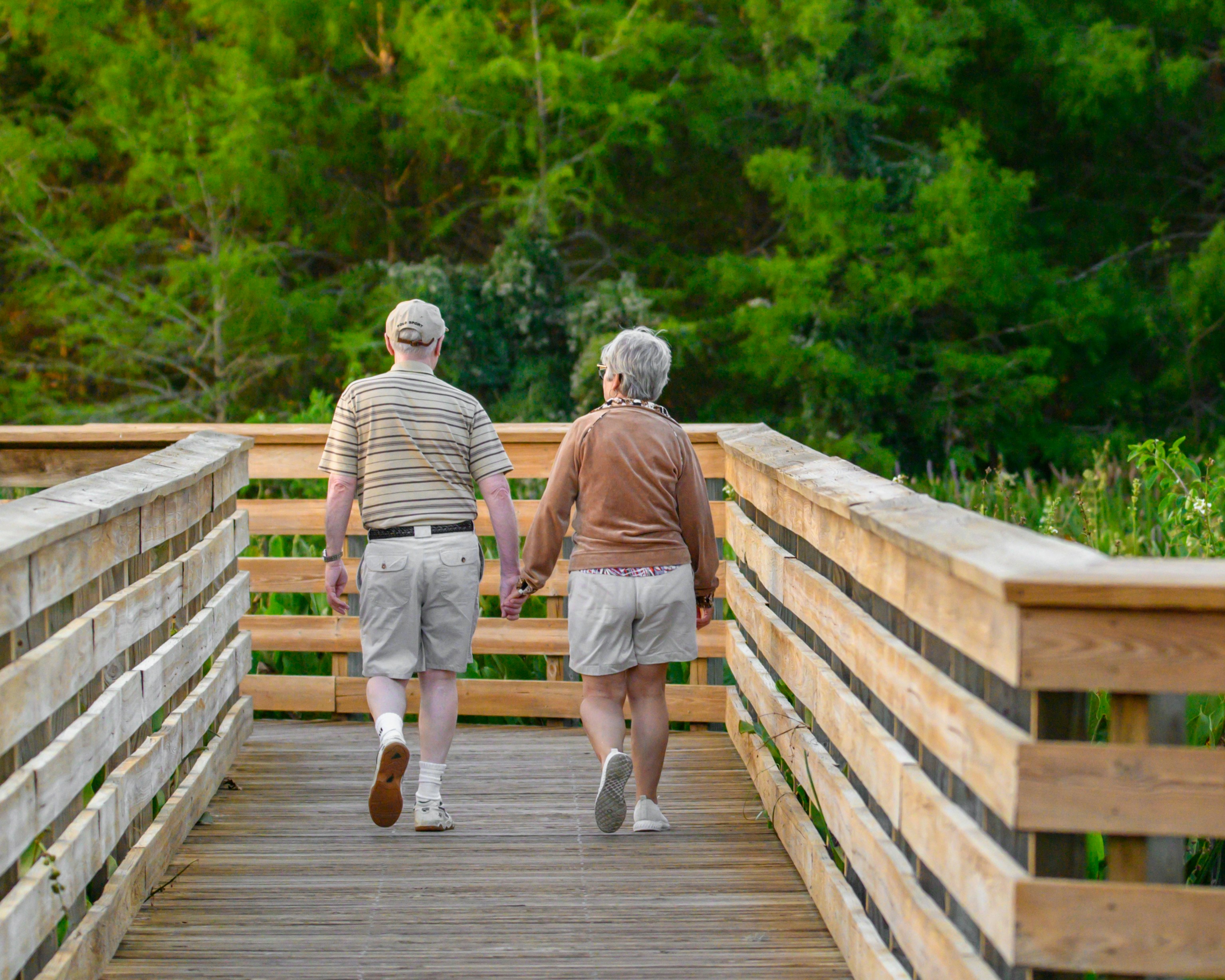
Combine these with daily walks around the neighborhood. This approach supports longevity by keeping joints supple and muscles strong. Research from peer-reviewed sources shows consistent movement prevents frailty. Focus on consistency rather than intensity at first. Join community classes for social motivation and accountability.
Add mindfulness elements during exercise, such as deep breathing while stretching. This integrates the pillars of movement and mindfulness for better outcomes. Monitor how these routines enhance energy levels over time. Adjust as needed based on personal comfort and consult a doctor before starting new programs.
Fuel Your Body, Protect Your Brain, and Stay Connected for Longevity
Nutrition plays a central role in healthy aging by supplying essential nutrients that sustain energy and prevent decline. Focus on longevity nutrition through adequate protein from sources like lean meats, dairy, and plant-based options to preserve muscle mass. Include omega-3 rich fish and leafy greens to support brain function and reduce inflammation. Aim for balanced plates with whole grains and healthy fats at each meal.
Sleep quality directly influences cognitive health and physical recovery. Target seven to nine hours nightly with a consistent schedule. Reduce caffeine after noon and create a dark, cool environment for better rest. Preventive screenings for blood pressure and cholesterol help catch issues early.
Cognitive engagement through reading, puzzles, or new hobbies keeps the mind sharp. Social connections combat loneliness and boost mood, whether through community groups or family calls. Active aging strategies combine these elements for comprehensive benefits.
Avoid common pitfalls like inconsistent eating or dehydration by planning meals and carrying water. Track progress with journals or apps. These science-backed aging tips from sources like the NIA build sustainable healthy aging habits that promote independence and vitality over decades.
Learn more from NIA CDC overview