Many middle-aged adults and seniors experience the steep price of poor aging through lost mobility, chronic illness, and eroded independence. Experts rank lack of exercise as the top accelerator of decline, named by 57 percent in a 2025 survey of health professionals. Smoking and inadequate sleep rank next, harming cardiovascular function, muscle mass, and cognitive sharpness. The outcome is often extended years of managing disease rather than enjoying active life. Current U.S. life expectancy stands near 78 years, yet many spend those added years in poor health.
Science shows the path forward. Small daily actions reverse much of this trajectory. Consistent movement, balanced nutrition, and restorative rest protect cells, reduce inflammation, and maintain strength. Research links these habits to lower risks of heart disease, diabetes, and cognitive impairment.
By committing to healthy aging practices now, you gain preserved muscle, steadier balance, clearer thinking, and stronger social ties. These changes support longer periods of independence and vitality. The earlier the shift begins, the greater the compound benefit for both lifespan and quality of life. Healthy aging is not about perfection but steady, evidence-based choices that keep you active and engaged for decades ahead.
Nutrition Strategies That Extend Healthspan
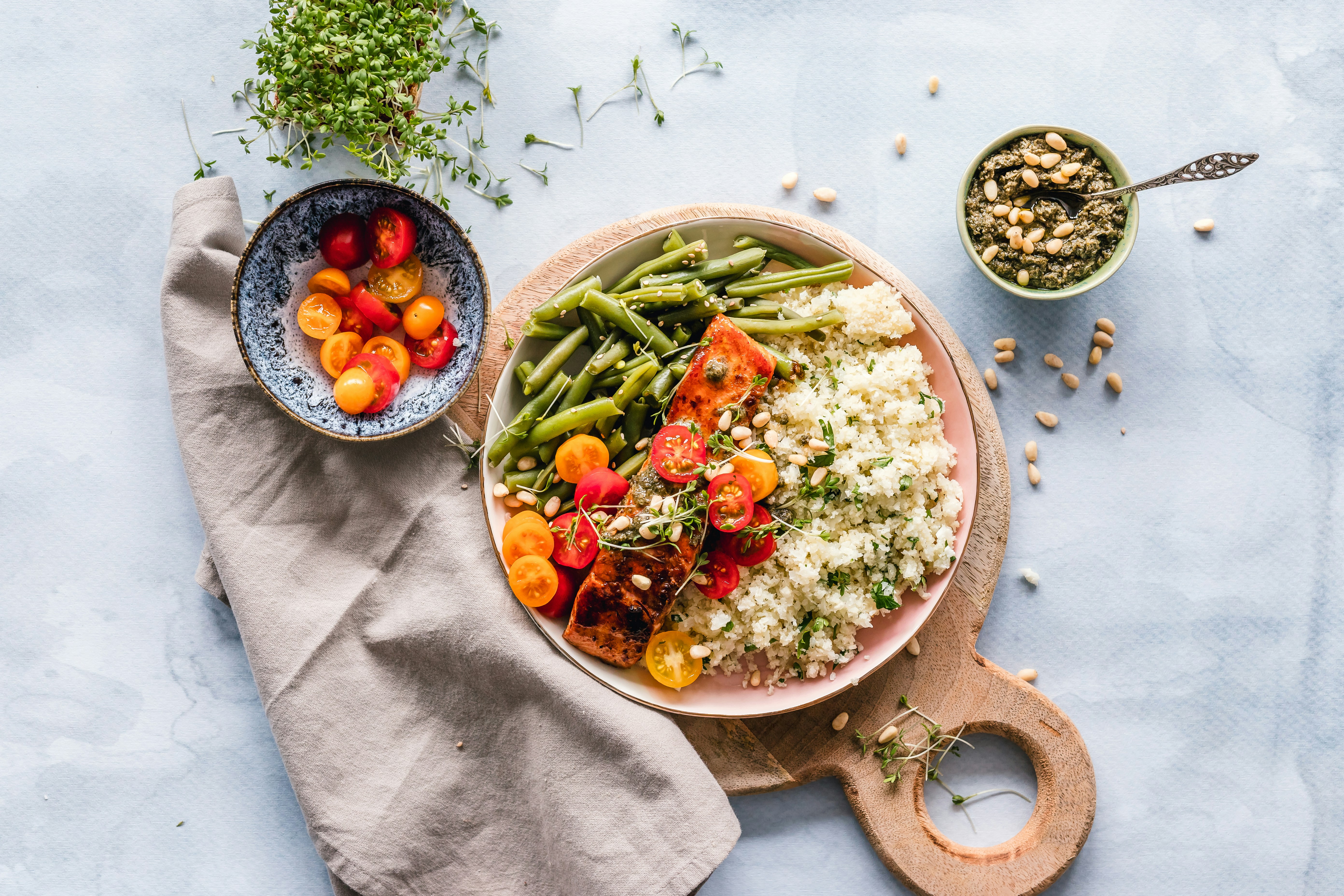
A nutrient-rich diet forms a cornerstone of healthy aging. The 2025 U.S. News Healthy Aging Survey found 43 percent of experts prioritize it for disease prevention and vitality. Plant-based Mediterranean eating supplies antioxidants such as beta carotene and vitamins that protect cells from damage. This pattern emphasizes vegetables, fruits, nuts, whole grains, legumes, and fish while minimizing red meat and processed items. Women who followed it most closely saw significant longevity gains according to recent analyses. Dark leafy greens, salmon, and Greek yogurt rank among the best superfoods for cellular protection. Research indicates close adherence lowers mortality risk by 23 percent. It also fosters gut microbiome diversity essential for reducing systemic inflammation. For nutrition for seniors, focus on nutrient density to combat age-related appetite changes. Vitamin D emerges as a top supplement recommendation because it preserves telomeres and supports immunity. Omega-3s from fatty fish or sources aid cardiovascular and cognitive function. Multivitamins bridge common gaps in older adults. Berries, leafy greens, and fermented foods add further protection against oxidative stress. Hydration stands out in longevity strategies. One study of over 11,000 adults tied better fluid intake to fewer chronic illnesses and extended lifespan. Drink water steadily rather than large amounts at once to maintain cellular function. These healthy aging habits deliver cumulative protection against diabetes, heart issues, and cognitive decline. Integrating aging gracefully nutrition with daily routines builds resilience and sustains independence through the decades. Consistent choices today translate into more vibrant years ahead and improved daily energy levels.
Mobility, Strength Training, and Daily Habits for Lifelong Vitality
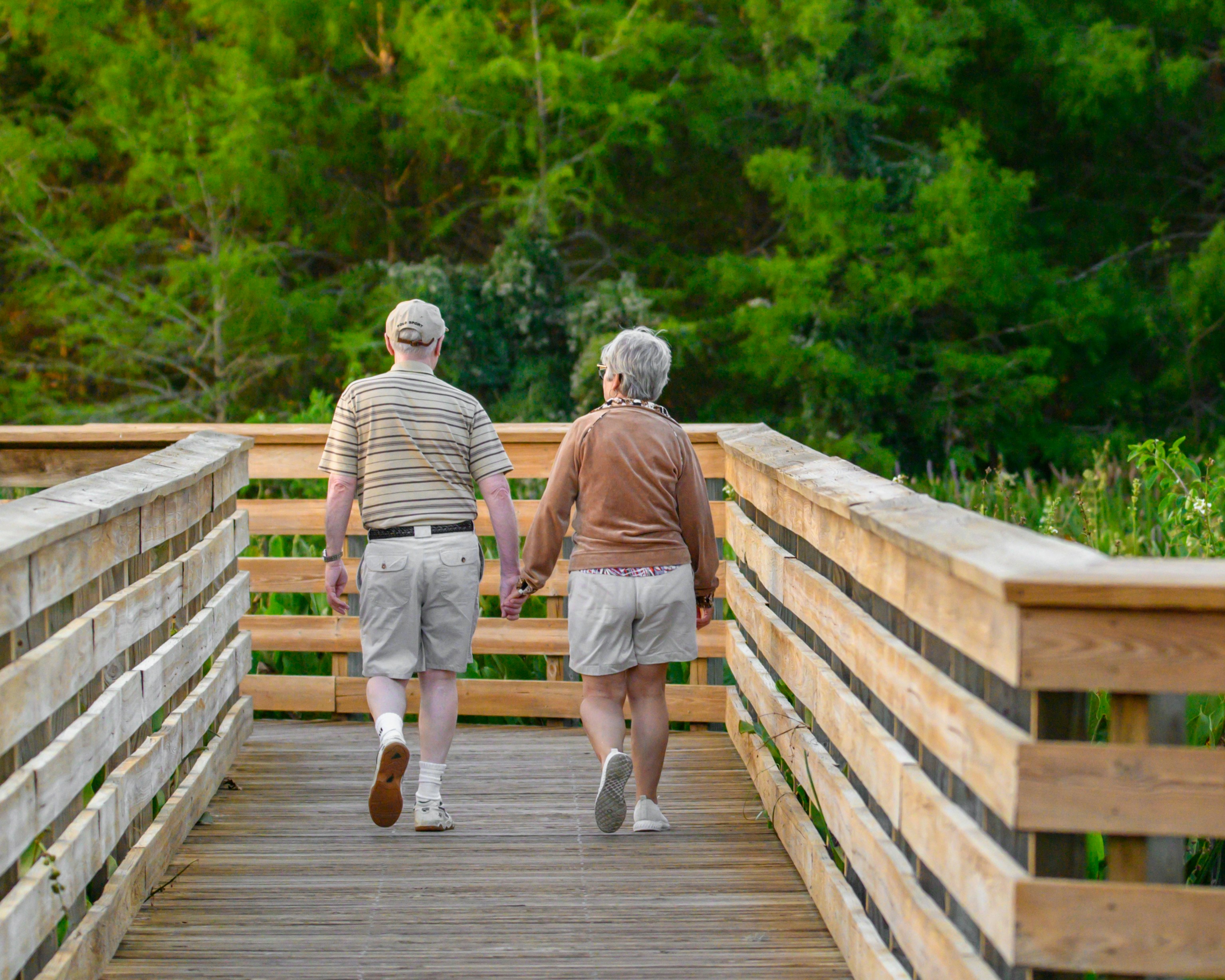
Regular physical activity ranks as the top habit for healthy aging according to experts, cited by nearly half in recent surveys. Aim for at least 150 minutes of moderate exercise weekly or 75 minutes of vigorous activity, plus muscle-strengthening sessions on two or more days. Walking, swimming, and resistance training preserve muscle mass and support joint health. These mobility exercises for older adults improve balance and reduce fall risk, key for maintaining independence.
Strength training counters sarcopenia, the age-related muscle loss that predicts higher mortality. Simple routines using body weight or light dumbbells build resilience and cognitive function. Combine this with daily movement to boost heart and lung capacity.
Quality sleep of seven to nine hours nightly aids recovery and hormone balance. Social connections further enhance longevity by lowering risks of depression and heart disease. Schedule regular interactions with friends or community groups.
Avoid common pitfalls such as prolonged inactivity or poor sleep hygiene, which accelerate decline. Consistent routines compound over time for better outcomes.
Science-backed healthy aging tips emphasize starting small and staying consistent. How much exercise is enough? The guidelines above provide a proven baseline. Can strength training help at any age? Yes, benefits appear even in later decades. These healthy aging habits integrate with nutrition for seniors to optimize results and promote exercise and longevity.
Sources
- https://health.usnews.com/wellness/aging/articles/healthy-aging-survey
- https://distance.physiology.med.ufl.edu/about/articles/8-innovative-aging-trends-to-watch-in-2026
- https://med.stanford.edu/news/insights/2026/01/healthy-habits-for-successfully-aging-60s-and-70s.html
- https://www.ncoa.org/older-adults/health
- https://www.health.harvard.edu/healthy-aging-and-longevity/longevity-lifestyle-strategies-for-living-a-healthy-long-life
- https://pmc.ncbi.nlm.nih.gov/articles/PMC12006278
- https://www.palmspringslife.com/wellness/the-science-of-healthy-aging-how-to-increase-your-healthspan
- https://magazine.medlineplus.gov/article/live-long-be-well-science-based-tips-for-healthy-aging
- https://pmc.ncbi.nlm.nih.gov/articles/PMC11812118
- https://www.everydayhealth.com/healthy-aging