Many middle-aged individuals planning for longevity and health-conscious seniors notice gradual declines in balance, strength, and stamina that can limit independence. These changes often create worry about losing the ability to perform everyday tasks without assistance. However, evidence from leading research institutions demonstrates that targeted lifestyle adjustments deliver powerful results at any stage of life. Stanford Medicine clinicians note that the 60s and 70s represent an ideal window to build habits preserving mobility and mental sharpness. Their findings reveal that even previously inactive adults achieve significant gains in fitness and well-being by increasing activity in ways suited to their abilities. Strength training twice weekly combined with regular walking supports muscle function and reduces frailty risk. Harvard Health outlines five pillars of longevity including movement, nutrition, sleep, stress reduction, and social connection. Implementing these patterns consistently improves healthspan and lowers chances of heart disease, diabetes, and cognitive decline. The National Institute on Aging reinforces that physical activity helps maintain muscle mass, while balanced eating patterns protect against chronic conditions. Recent surveys confirm that proven daily habits matter more than experimental approaches for aging well. By focusing on these fundamentals, readers gain concrete outcomes such as better daily function, fewer falls, and extended years of active, independent living. The outcome is not merely longer life but higher quality throughout the later decades. Incorporating healthy aging practices yields lasting independence and vitality that enrich every aspect of later life.
Quick Wins: Easy Movement Habits to Start Today
Healthy aging begins with accessible movement habits that anyone can adopt immediately. Stanford experts emphasize that strength and power training preserves independence even for those who were previously inactive. Simple routines such as chair squats, using resistance bands, or performing wall push-ups twice a week build the muscle needed for daily tasks like carrying groceries. These approaches align with recommendations for 150 minutes of moderate aerobic activity plus muscle strengthening sessions each week.
Balance work is equally vital for fall prevention seniors. Practice single-leg stands or corner stands with eyes closed while holding a wall for support. Hold each position 10 to 20 seconds and repeat several times per leg. Linking these exercises to tooth brushing makes them automatic parts of the day.
Walking remains one of the most effective mobility exercises for older adults. Accumulate 7,000 steps daily by taking multiple short strolls rather than one long outing. Research confirms that total step volume matters more than continuous duration for lowering mortality risk. Breaking activity into manageable pieces encourages adherence and delivers measurable gains in stamina.
Together these practices form the foundation of longevity habits that enhance overall well-being. They require minimal time yet yield improvements in function and reduced frailty within weeks. Starting today with these science-backed aging advice options sets the stage for sustained healthy aging. Incorporating nutrition for seniors alongside movement further supports these gains but movement alone provides immediate benefits.
Nutrition Strategies That Combat Sarcopenia and Support Mobility
Nutrition plays a central role in healthy aging by helping maintain muscle mass and supporting mobility. As people age, muscle loss known as sarcopenia can reduce strength and increase fall risk, but evidence-based nutrition strategies offer effective countermeasures. Stanford Medicine experts recommend that healthy older adults consume 1.0 to 1.3 grams of protein per kilogram of body weight each day. For someone weighing 150 pounds, this translates to about 68 to 88 grams of protein daily, ideally distributed across three meals containing 20 to 30 grams each from sources such as chicken, Greek yogurt, eggs, or tofu. This higher intake helps counteract the body’s reduced ability to build muscle with age.
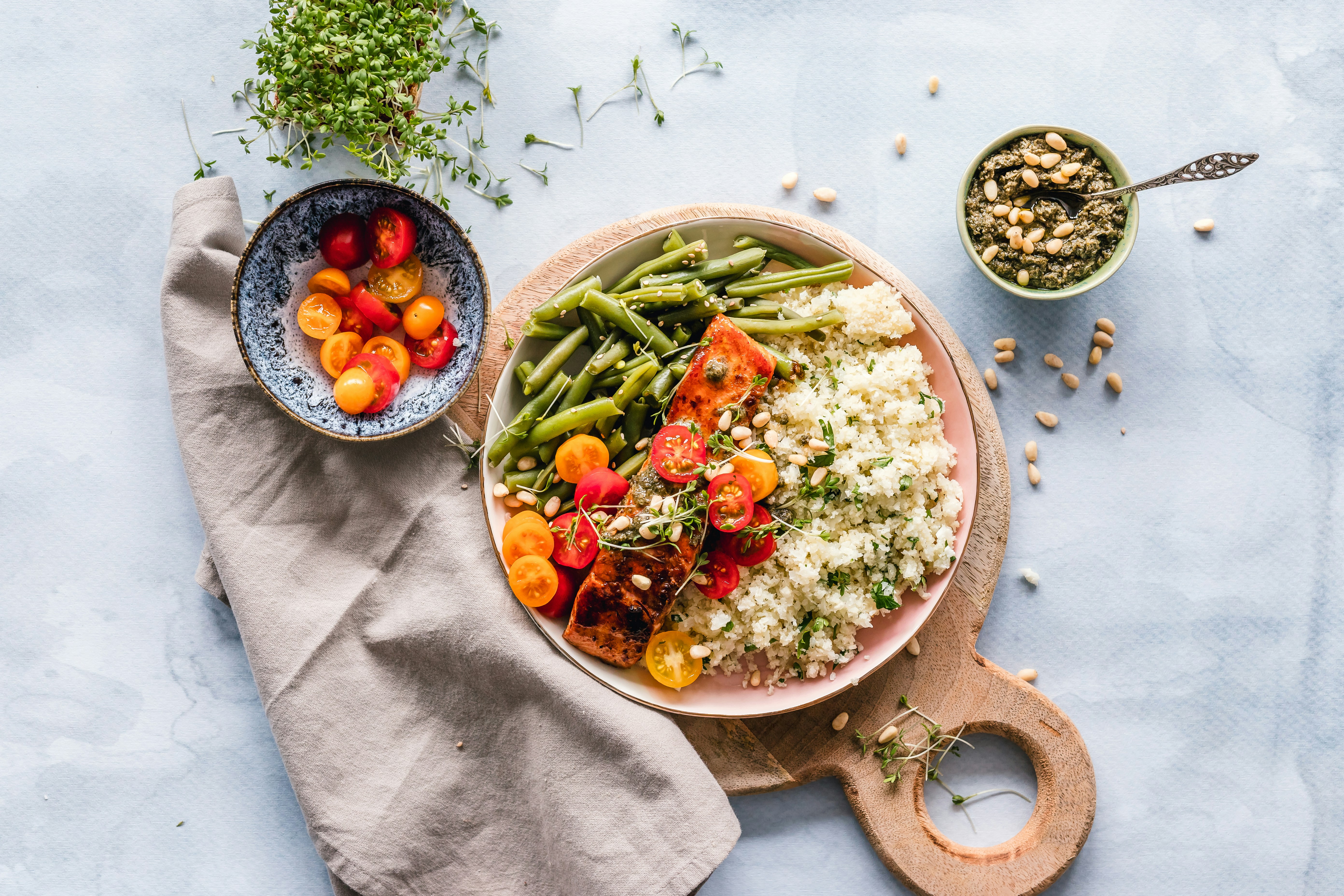
Beyond protein, following a Mediterranean-style diet provides powerful anti-inflammatory benefits linked to lower risks of heart disease, diabetes, and cognitive decline. This pattern prioritizes fruits, vegetables, whole grains, lean proteins, nuts, seeds, and olive oil while minimizing ultra-processed foods high in salt, sugar, and saturated fats. Recent analyses of dietary patterns confirm that such approaches correlate with superior healthy aging outcomes and sustained physical function.
The National Institute on Aging highlights that balanced eating supports muscle maintenance alongside regular activity. Harvard Health includes nutrition among its five pillars of longevity, noting that whole foods supply essential nutrients for repair and energy. By focusing on these principles, individuals combat sarcopenia effectively and enhance the results of mobility exercises for older adults. Incorporating nutrition for seniors into daily routines represents key science-backed aging advice that promotes independence and vitality. These longevity habits, when paired with fall prevention seniors strategies, contribute to aging well tips that deliver lasting results without relying on unproven methods.