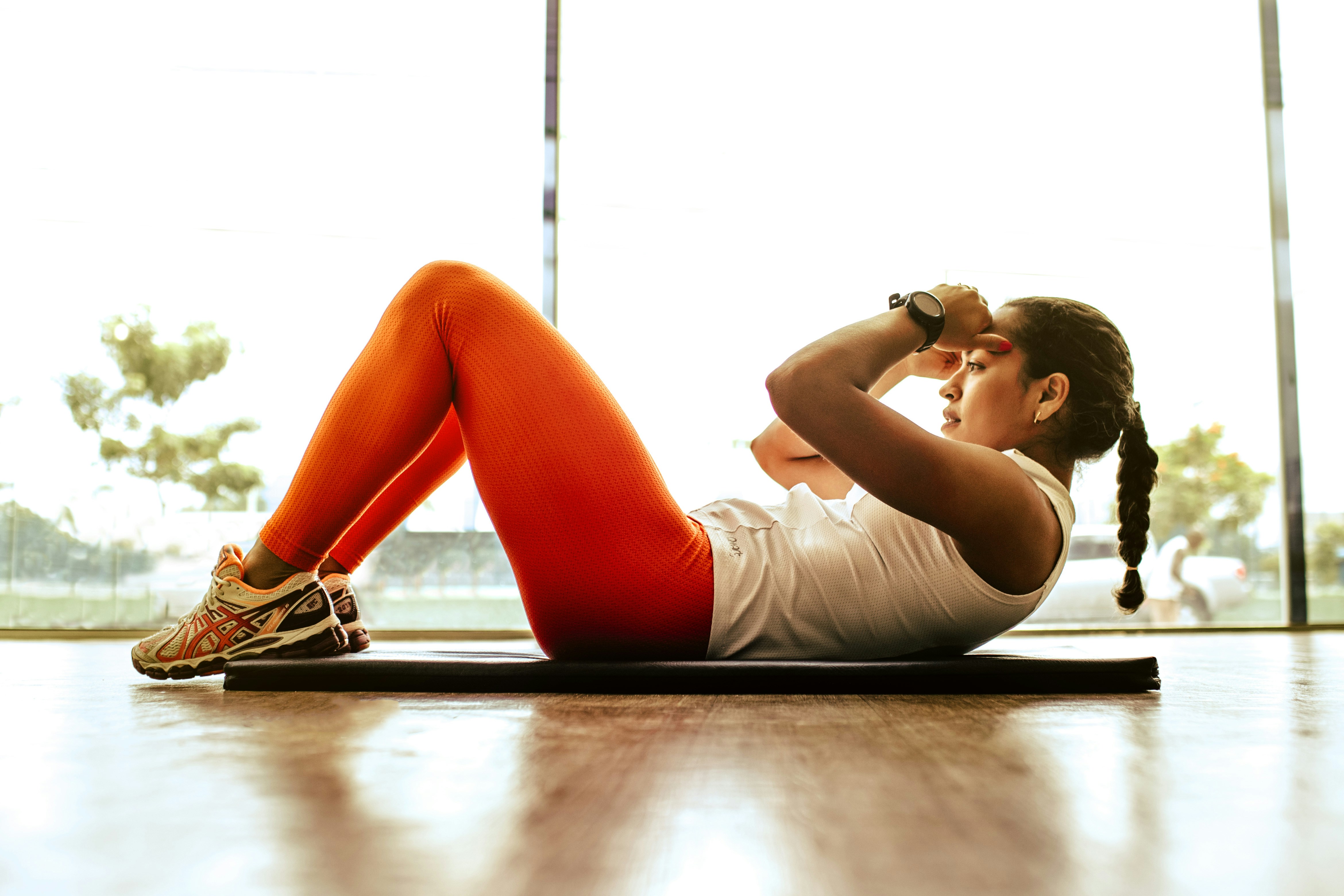
Many people face barriers like limited time and lack of gym access when trying to stay active. Home workouts solve these issues by allowing training anywhere with no special equipment. Athletes and enthusiasts can build strength, endurance, and motivation through consistent bodyweight sessions that require nothing more than floor space.
No equipment exercises such as squats, lunges, and planks form the foundation of effective training. These moves engage multiple muscle groups efficiently and can be scaled for any fitness level. A typical session lasts 20 to 30 minutes and can be done three to five days per week without disrupting daily life.
Progress by increasing repetitions or adding variations like single-leg squats and push-up holds. This method supports injury prevention tips by encouraging controlled movements and proper alignment from the start. Online workout programs often provide video guidance for correct form to maximize safety and results.
Fitness motivation grows when results appear quickly through visible strength gains. Set small process goals such as completing all planned sessions each week rather than focusing solely on outcomes. Social elements like sharing progress with friends further boost adherence according to research on goal setting strategies.
2026 fitness trends highlight the rise of accessible at home workout routines that link exercise to mental health benefits. Free resources offer detailed plans and tracking tools to maintain momentum over months and years.
With dedication, these bodyweight workouts deliver measurable gains in physical performance without leaving home. The following sections expand on specific routines and advanced strategies for long-term success.
Beginner Bodyweight Moves That Deliver Fast Wins
Home workouts provide an accessible entry point for enthusiasts seeking fast progress. Start with the classic squat. Position feet shoulder width apart, bend knees and hips to lower as if sitting back into a chair, then drive through heels to stand. Complete three sets of twelve repetitions. Advance the move by adding a pause at the bottom or performing pistol squats once strength improves.
The plank is essential for core stability. Assume a forearm position with elbows under shoulders and body in a straight line from head to heels. Hold for thirty seconds initially and build to two minutes. Variations include lifting one leg or adding shoulder taps to increase challenge while maintaining alignment.
Forward lunges target the lower body effectively. Step one foot forward, lower until both knees form ninety degree angles, then push back to start. Alternate legs for ten repetitions each. Progress to reverse lunges or add a twist at the top for rotational strength.
These no equipment exercises integrate seamlessly into daily home workouts. Sources recommend starting with proper form to maximize benefits and minimize risk. Focus on controlled movements and full range of motion for best results.
Consistency with these foundational patterns builds confidence rapidly. Many online workout programs feature similar progressions tailored for beginners. Pair the routine with adequate recovery to support long term adherence.
Fitness motivation rises as strength and endurance improve within the first few weeks. Monitor how the body responds and adjust volume accordingly. This approach aligns with 2026 fitness trends emphasizing sustainable, equipment free training. Incorporate these moves three times per week and gradually increase intensity. Consult resources like detailed guides for video demonstrations that ensure correct technique throughout each session. Over time, these simple adjustments lead to noticeable improvements in overall fitness levels and daily function and beyond.
Progress Safely, Dodge Common Mistakes, and Stay Motivated Long-Term
Proper biomechanics during home workouts prevents injuries by keeping joints aligned during no equipment exercises. Always warm up with dynamic movements and focus on neutral spine positions in bodyweight workouts. Stop if sharp pain occurs and consult a professional when needed.
Plateaus in at home workout routines often stem from repetitive patterns. Introduce variations or increase hold times in planks to reignite progress. Track sessions to identify stagnation early.
Fitness motivation remains high through small wins and community support. Psychologist-backed strategies include mixing routines and celebrating consistency over perfection. Pair training with mental health benefits noted in 2026 fitness trends.
Online workout programs supply fresh ideas to maintain engagement. Set process-oriented goals like mastering a new variation weekly.
FAQ
How often should beginners train? Three sessions weekly suffices for recovery.
What if motivation dips? Review past improvements and adjust goals.
How to avoid common form errors? Use mirrors or record sessions for self-check.
These steps ensure sustained results with bodyweight workouts.