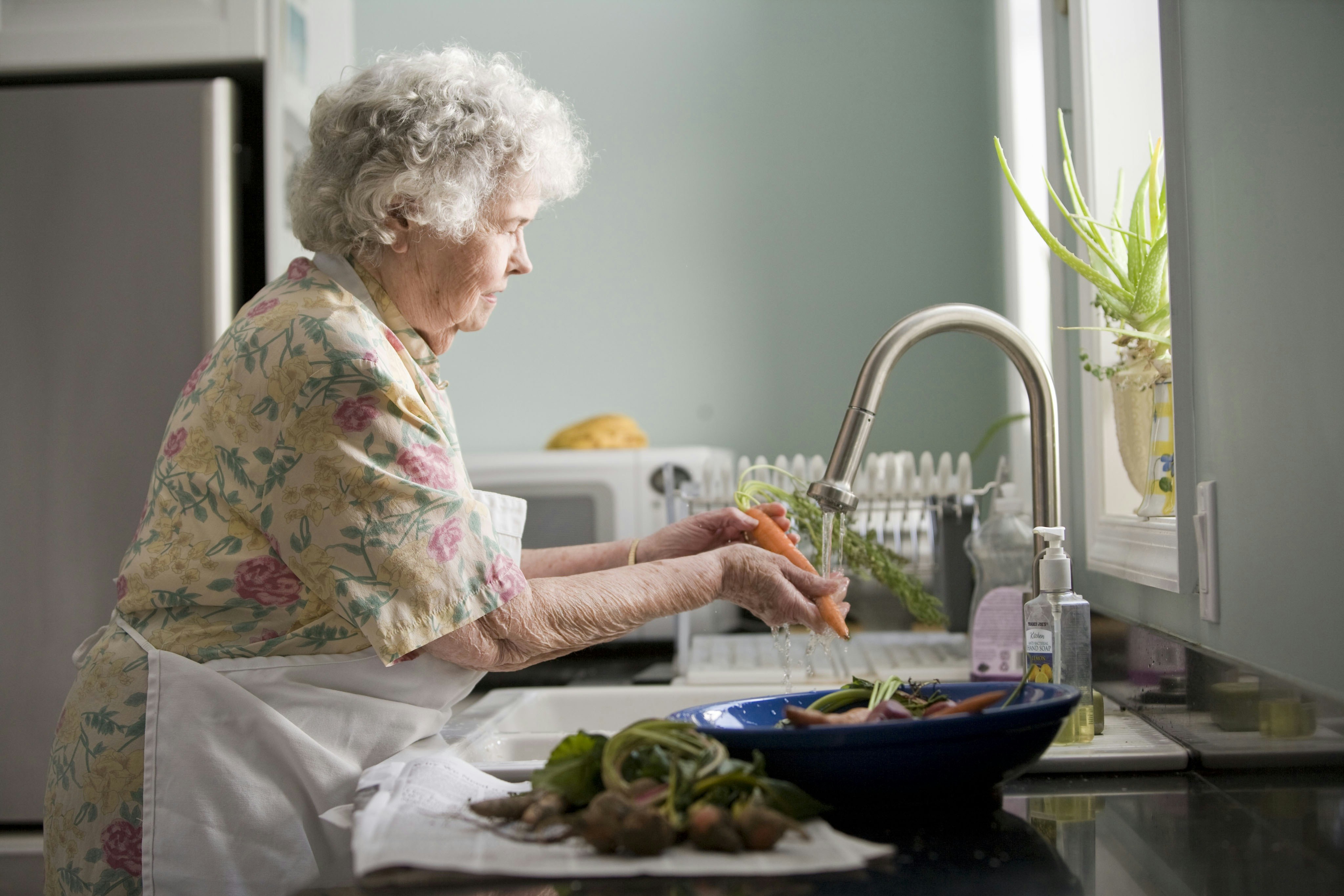
Many middle-aged adults and seniors overlook daily choices that shape later years. Without attention to healthy aging, mobility often declines faster than expected, leading to greater reliance on others for basic tasks. Research shows that ignoring proven habits accelerates loss of independence in the 60s and 70s.
Studies highlight that consistent movement and nutrition choices reduce mobility disability risks. One analysis found exercise combined with nutritional support cut mobility issues in frail older adults by supporting strength and balance. Brief daily strength sessions, as noted in recent Penn State findings, help maintain function with minimal time commitment.
The five pillars of longevity include movement, nutrition, sleep, stress reduction, and social connection. Prioritizing these areas delivers measurable gains in vitality. Data from expert surveys confirm these habits outperform many biohacks for long-term outcomes.
Stanford research on habits for successful aging emphasizes practical steps that preserve independence. National Institute on Aging guidelines reinforce exercise and diet as core elements of healthy aging. Adopting these approaches early supports sustained activity and reduces future limitations.
Focusing on nutrition for seniors and targeted mobility exercises older adults can follow leads to better longevity. Science backed healthy aging strategies, drawn from 2025 breakthroughs and 2026 surveys, show simple routines yield lasting results without complex interventions.
Harvard insights stress balanced movement and nutrition for ongoing health. US News fitness guide outlines effective exercises that build strength safely. These evidence-based methods help readers regain control and maintain active lives through healthy aging practices.
Nutrition Strategies Proven to Support Longevity
Nutrition strategies form the foundation for healthy aging by supplying nutrients that sustain energy levels and cellular repair. Evidence from recent reviews shows that targeted dietary patterns can extend healthspan and reduce chronic disease risks in middle-aged and older adults.
Prioritize protein intake from lean sources such as fish, eggs, and legumes to preserve muscle mass. The NIA guide on healthy aging stresses the value of balanced meals featuring colorful vegetables and whole grains for sustained vitality.
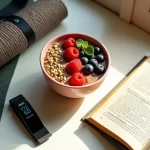
Add anti-inflammatory options like berries, nuts, and olive oil to daily routines. A 2025 editorial in Frontiers in Aging emphasizes combining nutrition with activity for optimal longevity results.
Stay consistent with hydration and limit processed sugars to support metabolic health. Breakthroughs listed in the 2025 Healthspan report include personalized nutrition approaches that adapt to individual needs for better outcomes.
Harvard experts highlight nutrition as one of the five pillars of longevity. Small adjustments, such as incorporating omega-3 rich foods twice weekly, contribute to reduced inflammation and improved cognitive function during healthy aging.
Stanford habits article connects diet to mobility preservation. US News surveys confirm these evidence-based habits outperform unproven biohacks for seniors seeking independence.
Nutrabio 2026 outlook details nutrition trends focused on whole foods. These science backed healthy aging methods enable readers to implement changes immediately for measurable improvements in energy and resilience.
Mobility Exercises and Daily Habits for Active Aging
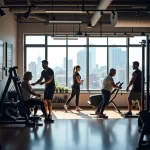
Daily movement routines support independence as part of healthy aging. Begin with brief strength sessions lasting only minutes daily. Research from Penn State indicates short daily strength training enhances mobility for older adults. Execute chair squats by rising from sitting without arm assistance. Complete two sets of ten reps. Follow with wall push-ups to develop upper body power safely. These align with the US News fitness recommendations for balance, strength, and longevity in seniors. Include balance work by balancing on one foot for thirty seconds using support initially. Advance to walking heel to toe in a straight line. Evidence from the 2 Minute Medicine study confirms that exercise paired with nutrition lowers mobility disability rates among frail older adults. Address problems by altering moves during discomfort. Substitute resistance bands for body weight exercises to ease joints. The Harvard longevity pillars note regular movement as essential. Build these into routines like post-meal periods or TV breaks. Science backed healthy aging gains come from consistency over high intensity. Monitor advancement each week to maintain drive and modify for continued success with mobility exercises older adults can do independently. Combine with nutrition strategies previously discussed to amplify effects on healthy aging. Consult a professional before starting new programs if health conditions exist. Consistent application of these mobility exercises older adults leads to better longevity tips outcomes and habits for successful aging. Regular practice builds resilience and supports overall vitality in later years. Apply them consistently.
Sources
- https://med.stanford.edu/news/insights/2026/01/healthy-habits-for-successful-aging-60s-and-70s.html
- https://www.frontiersin.org/journals/aging/articles/10.3389/fragi.2025.1698219/full
- https://www.gethealthspan.com/research/article/top-ten-longevity-anti-aging-breakthroughs-of-2025
- https://health.usnews.com/wellness/articles/2026-healthy-aging-survey-5-proven-habits-that-matter-more-than-biohacks
- https://www.nia.nih.gov/health/healthy-aging/what-do-we-know-about-healthy-aging
- https://www.harvardhealth.org/healthy-aging-and-longevity/the-5-pillars-of-longevity-movement-nutrition-sleep-stress-reduction-and-social-connection
- https://health.usnews.com/wellness/fitness/articles/best-and-worst-exercises-for-older-adults-for-balance-strength-and-longevity
- https://www.2minutemedicine.com/exercise-and-nutritional-support-reduce-mobility-disability-in-frail-older-adults
- https://www.sciencedaily.com/releases/2026/10/261020085025.htm
- https://nutrabio.com/blogs/blog/what-healthy-aging-looks-like-2026