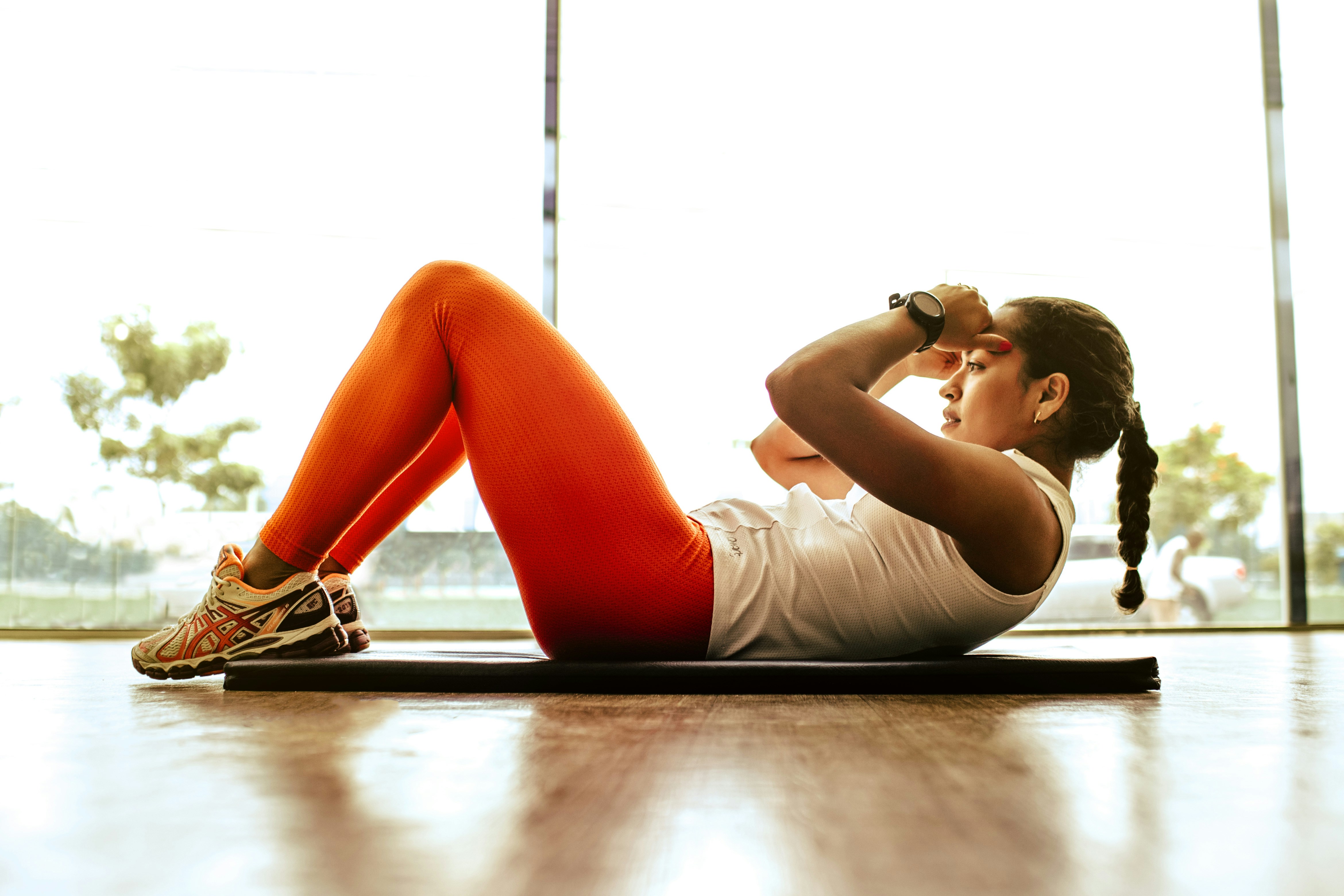
Home workouts often fall short due to missing structure and accountability. Without clear plans many enthusiasts start strong but quickly lose momentum leading to stalled results and frustration. Common barriers include irregular schedules and lack of visible progress which reduce motivation over time.
Structured home workout routines solve these issues by delivering tested sequences suited to different fitness levels. Recent reviews of online fitness programs show effective options combining barre cardio and strength work to support steady training at home. These routines fit busy lives while promoting consistency.
Bodyweight exercises form the core of many successful equipment-free workouts. Moves such as squats push-ups and planks target multiple muscle groups without gear. Circuits performed three to four times weekly build endurance and strength efficiently.
Applying biomechanics tips ensures proper form during each movement. Correct alignment lowers injury risk and boosts muscle engagement according to movement science principles. Small posture adjustments often produce noticeably better outcomes.
Readers who follow these home workout routines achieve faster gains in strength endurance and confidence. Goal setting paired with weekly progress tracking sustains long-term motivation. Selecting appropriate workout splits for women further tailors the approach to individual needs and supports continued improvement.
Effective Workout Routines with Biomechanics Tips
Effective home workout routines combine bodyweight exercises with smart progression to deliver results without equipment. Start with a full-body circuit three days per week. Perform squats for lower body strength, push-ups for chest and triceps, and planks for core stability. Complete three sets of ten to fifteen repetitions each.
For targeted development, follow workout splits for women that separate upper and lower body sessions. Upper body days focus on rows and shoulder presses using household items if needed. Lower body days emphasize lunges and glute bridges. This approach aligns with ACSM guidelines for balanced muscle growth.
Biomechanics tips play a key role in injury prevention. Maintain neutral spine during squats by keeping weight in the heels and knees tracking over toes. Engage the core before each lift to stabilize the pelvis. In push-ups, keep elbows at forty-five degrees to protect shoulders.
Advanced home workout routines add circuits with timed intervals. Alternate thirty seconds of mountain climbers with forty-five seconds of rest. Track heart rate variability for recovery insights as recommended in current fitness trends.
Strength training programs for women often include progressive overload by increasing reps or slowing tempo. Begin with bodyweight and advance to single-leg variations once form is solid.
These equipment-free workouts fit any space and support consistent training. Pair them with goal setting to maintain home workout motivation over months. Small daily improvements compound into major fitness gains when form remains a priority.
Online fitness programs provide video guidance for correct execution of each exercise. Following demonstrated biomechanics tips helps optimize movement patterns across all sessions. Many athletes incorporate functional strength trends that emphasize multi-planar movements for real-world performance.
For perimenopause athletes, moderate volume in workout splits for women supports hormonal balance while building strength. Monitor recovery through rest days and light walks using the run-walk method when needed.
Consistent practice of these principles leads to sustainable progress and reduced injury rates.
Motivation Strategies, Common Mistakes, and Next Steps
Maintaining home workout motivation requires clear goals and regular tracking of improvements. Set specific targets such as completing three sessions weekly or increasing plank hold time by ten seconds each month. Progress logs help identify patterns and celebrate small wins that build momentum over extended periods.
Common mistakes include skipping warm-ups and ignoring biomechanics tips during bodyweight exercises. Poor posture in squats or push-ups leads to strain rather than strength gains. Another error is jumping between different workout splits for women without allowing recovery, which reduces overall effectiveness and increases fatigue.
To avoid these issues, review form videos from online fitness programs before each session. Incorporate rest days and monitor how equipment-free workouts feel over time. Polarized training, alternating high and low intensity, supports better adaptation according to recent trends in functional fitness.
Next steps involve selecting one strength training program that matches current fitness level and committing to it for eight weeks. Begin with full-body circuits using bodyweight exercises then progress to targeted splits as strength improves. Track consistency using simple apps or journals to stay accountable.
Many people also neglect progression by staying at the same rep range too long. Gradually increase difficulty to continue challenging muscles and seeing improvements in strength and endurance.
Readers who apply these strategies report sustained engagement and measurable results from their home workout routines. Long-term success comes from treating routines as non-negotiable habits rather than optional activities. Consider consulting a professional for personalized biomechanics tips if pain persists during movements.
Sources
- https://health.yahoo.com/wellness/fitness/online-fitness/article/best-online-workout-programs-173942783.html
- https://www.bodi.com/blog/bodi-workout
- https://www.strengthlog.com/strength-training-programs-for-women-2025
- https://health.usnews.com/wellness/equipment-free-workout-routine
- https://www.strongermobileapp.com/blog/best-workout-splits-for-women
- https://www.svetness.com/blogs/best-workout-routines-at-home
- https://www.nytimes.com/2025/12/29/well/move/fitness-workout-tips-2026.html
- https://www.nestacertified.com/understanding-biomechanics-in-the-gym-a-guide-for-personal-trainers
- https://www.sundried.com/blogs/training-evolved/10-must-try-fitness-trends-for-2026
- https://www.obrienphysicaltherapy.net/blog/how-to-keep-your-home-workouts-motivating-over-the-long-term