Why Healthy Aging Feels Overwhelming—and the Simple Outcome You Can Achieve
Many middle-aged adults and health-conscious seniors feel overwhelmed by the constant stream of conflicting advice on diet, exercise, and supplements. Fears of losing mobility, independence, or mental sharpness grow stronger with each passing year. The result is often paralysis rather than action. Yet science points to a clearer path. Research from Stanford Medicine shows that adults in their 60s and 70s who adopt simple, consistent habits can preserve independence, mobility, and cognitive function well into their 80s and beyond. Harvard Health outlines five core pillars—movement, nutrition, sleep, stress reduction, and social connection—that consistently support healthy aging across large populations. A 2025 Harvard study further links midlife dietary patterns rich in whole foods to significantly better overall health outcomes later in life. Short daily movement snacks, backed by Nature Aging findings, improve telomere length and functional capacity without requiring long gym sessions. These approaches replace complexity with repeatable actions that compound over time. The simple outcome is aging gracefully while retaining the ability to live actively and independently. By focusing on these evidence-based habits instead of chasing biohacks, readers gain more years of vitality and sharper mental function. Healthy aging becomes achievable through steady, science-backed choices rather than overwhelming overhauls.
Start with Movement Snacks and Strength Training for Fast Mobility Wins
Short bursts of activity throughout the day, known as movement snacks, deliver measurable gains in healthy aging. A Nature Aging study found that performing 3 to 5 minutes of gentle bodyweight movements or walking each hour increased telomere length, a key marker tied to longer healthspan. These micro-movements keep circulation active and support glycemic control without demanding long gym sessions.
Stanford Medicine experts recommend pairing these snacks with simple strength exercises to maintain independence. Chair squats, wall push-ups, and resistance-band rows performed twice weekly preserve muscle mass and functional strength even for adults who have been inactive. Balance drills such as single-leg stands while brushing teeth further reduce fall risk and protect mobility.
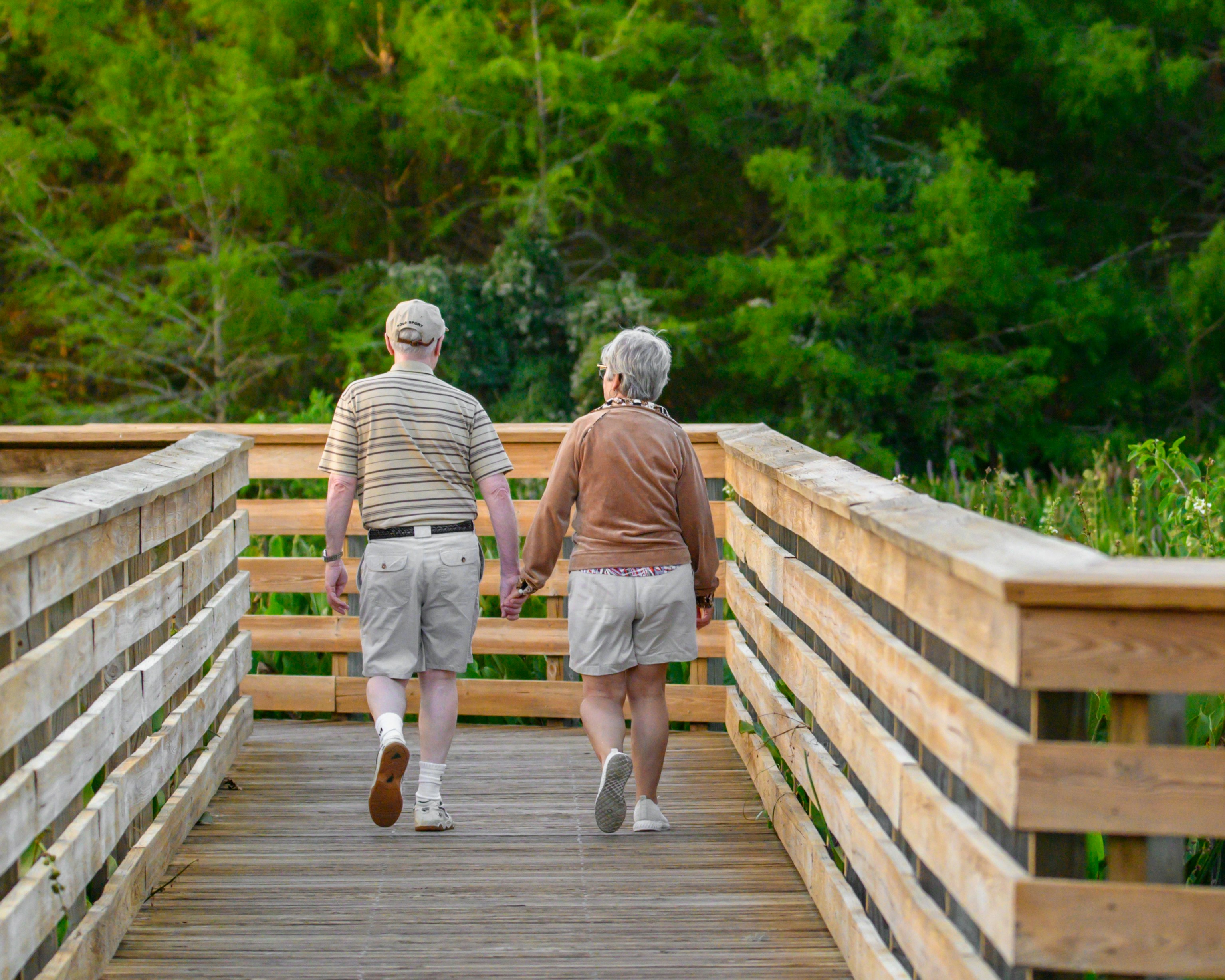
For middle-aged readers planning longevity, these habits require no special equipment and fit easily into daily routines. Ten-minute walks broken into two or three segments accumulate toward the recommended 150 minutes of weekly moderate activity. Over time, consistent movement snacks and light resistance training compound into greater resilience, sharper cognition, and sustained independence. Healthy aging becomes more attainable when strength and frequent low-intensity movement replace the pressure of intense workouts. This foundation supports later nutrition and recovery strategies while keeping the body capable and active.
Fuel Longevity with Protein-Rich Nutrition, Better Sleep, and Social Ties
Protein intake becomes essential for healthy aging as muscle maintenance grows harder with age. Stanford Medicine recommends 1.0 to 1.3 grams of protein per kilogram of body weight daily, achieved through meals featuring chicken, Greek yogurt, eggs, or tofu. Pair this with a Mediterranean-style pattern rich in vegetables, whole grains, olive oil, and nuts to lower inflammation and support long-term brain and heart health. Avoid ultra-processed foods high in sugar and salt that accelerate decline.
Sleep quality directly influences recovery and cognitive function. Aim for seven to eight consistent hours nightly by aligning with natural light cycles and reducing evening screen exposure. This circadian approach improves hormonal balance and reduces systemic inflammation linked to faster aging.
Social connection and stress management complete the foundation. Regular interactions with friends or community groups protect memory and emotional health, while brief daily breathing practices lower cortisol. Common mistakes include skipping protein at breakfast or treating sleep as optional. Start by adding one protein-rich food to each meal, setting a fixed bedtime, and scheduling one weekly social activity. These steps compound with prior movement habits to promote aging gracefully and sustain independence.
Sources
- https://claudiasconcept.com/5-science-backed-ways-to-improve-longevity-in-2025
- https://med.stanford.edu/news/insights/2026/01/healthy-habits-for-successful-aging-60s-and-70s.html
- https://www.health.harvard.edu/healthy-aging-and-longevity/the-5-pillars-of-longevity-movement-nutrition-sleep-stress-reduction-and-social-connection
- https://health.usnews.com/wellness/articles/2026-healthy-aging-survey-5-proven-habits-that-matter-more-than-biohacks
- https://www.mdiha.com/blog/healthy-aging-strategies-for-middle-aged-adults
- https://hsph.harvard.edu/news/healthy-eating-in-midlife-linked-to-overall-healthy-aging
- https://www.nature.com/articles/s41591-025-03570-5
- https://newlifestyles.com/blog/how-exercise-and-nutrition-work-together-for-senior-wellness
- https://distance.physiology.med.ufl.edu/about/articles/aging/how-nutrition-and-exercise-can-help-preserve-independence-in-aging-adults
- https://go.shaklee.com/wellness-trends-of-2025-that-are-here-to-stay-and-whats-next-for-2026