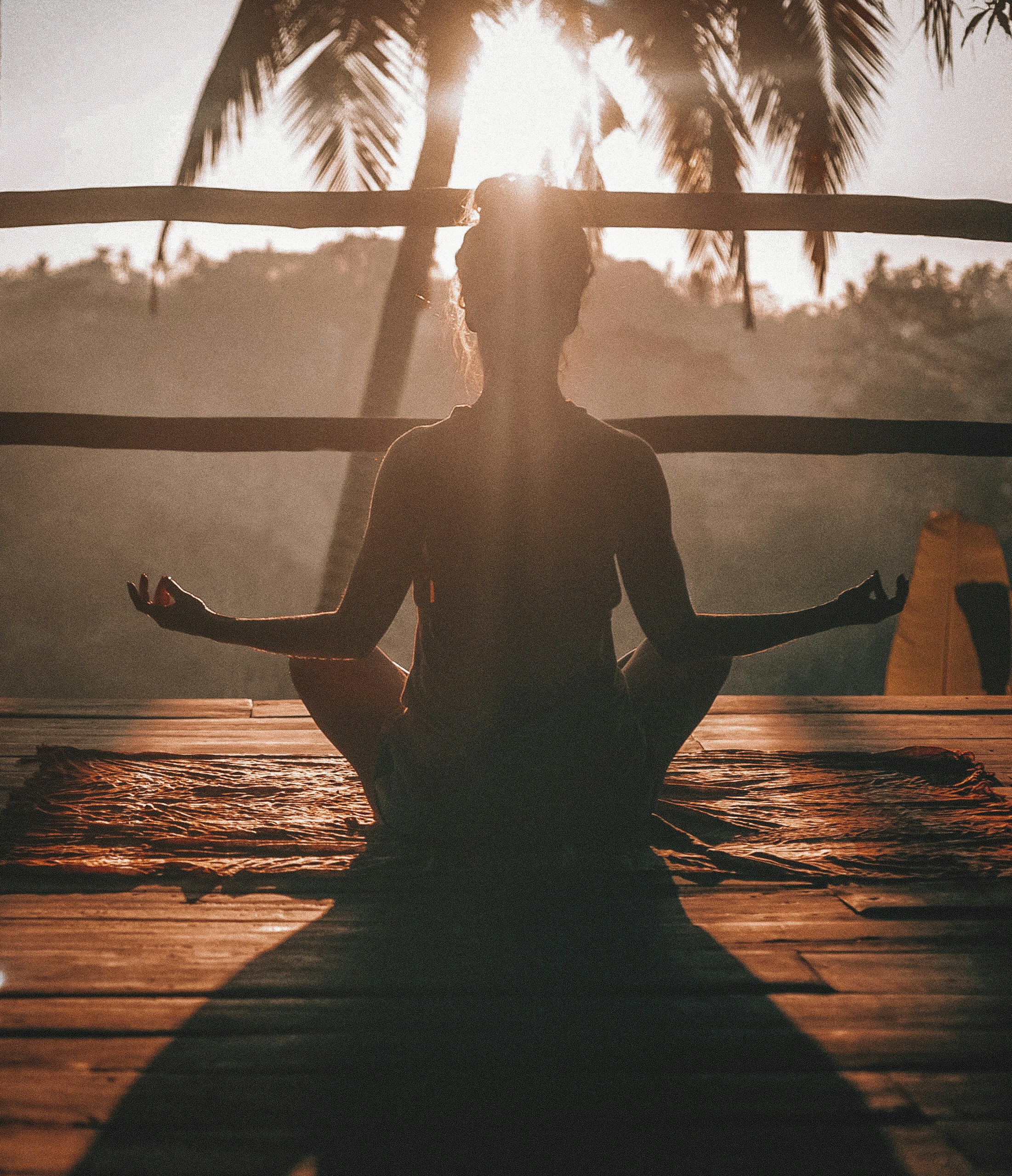
Modern life often leaves mindfulness practitioners and holistic health enthusiasts feeling overwhelmed and disconnected from the present moment. Constant notifications, endless to-do lists, and digital noise pull attention away from what truly matters, eroding a sense of calm. This disconnection can heighten stress and diminish overall spiritual well-being.
Mindfulness offers a direct path back to presence. By training attention on the here and now without judgment, individuals reclaim focus and reduce the pull of distractions. Research highlights how even brief daily sessions strengthen emotional regulation and lower cortisol levels, supporting both mental and physical health.
A 2025 pilot study on nature-based contemplation demonstrates that spending mindful time outdoors enhances spiritual well-being through deeper sensory awareness and connection to the environment. Simple practices such as mindful breathing or the five-senses exercise, recommended by Mayo Clinic, allow practitioners to anchor themselves quickly during hectic days.
Incorporating these actionable mindfulness techniques consistently leads to greater calm and holistic balance through mindfulness. Over time, participants report improved self-awareness, resilience, and a renewed sense of purpose. The benefits of mindfulness for well-being extend beyond the individual, fostering compassion in relationships and a more intentional approach to daily routines.
Embracing these shifts transforms distraction into opportunity, nurturing lasting inner peace.
Quick-Start Mindfulness Techniques for Immediate Relief
Mindfulness practices provide quick relief from daily overwhelm by anchoring attention in the present. Start with basic breath awareness: sit comfortably, close your eyes, and focus on the sensation of air entering and leaving your nostrils. Notice each inhale and exhale without trying to change it. When the mind wanders, gently return focus to the breath. This simple exercise calms the nervous system and supports spiritual well-being.
The five-senses exercise offers another fast technique drawn from Mayo Clinic guidance. Pause and name five things you see, four you can touch, three you hear, two you smell, and one you taste. This sensory scan interrupts stress cycles and fosters holistic balance through mindfulness.
HelpGuide recommends body sensations awareness: notice subtle feelings like an itch or tension without judgment, allowing them to pass. Emotions can be observed similarly by naming them quietly—such as “frustration” or “joy”—then releasing attachment. These actionable mindfulness techniques build momentum for inner peace.
Regular use of mindfulness exercises for inner peace enhances resilience and self-awareness. A brief daily commitment yields the benefits of mindfulness for well-being, including reduced anxiety and greater presence. Practitioners often find nature-based contemplation complements these methods, deepening spiritual insights and meditation experiences. Over time, these habits cultivate lasting calm and holistic balance through mindfulness.
Integrating Mindfulness into Everyday Routines
Mindful eating transforms meals into opportunities for presence. Set aside devices and observe the colors, textures, and aromas of your food before tasting. Chew slowly while noting each flavor and sensation. This approach, drawn from HelpGuide guidance, heightens appreciation and aids digestion while nurturing spiritual well-being.
Mindful walking anchors attention in motion and environment. Direct focus to the feet meeting the ground, the swing of arms, and surrounding sounds or scents. Whether strolling through nature or city streets, fully engage the senses. Research on nature-based contemplation reveals how such movement strengthens connection and supports holistic balance through mindfulness.
Task transitions provide ideal moments for mindfulness exercises for inner peace. Pause between activities to take three deliberate breaths or notice bodily sensations briefly. These resets maintain clarity and curb rising tension. Actionable mindfulness techniques like breath awareness or sensory checks fit naturally into daily flows.
Consistent integration of these habits delivers the benefits of mindfulness for well-being across the entire day. Spiritual insights and meditation emerge organically from sustained presence, fostering lasting inner peace and holistic balance through mindfulness. Practitioners often discover deeper resilience and purpose within weeks of regular application.
Sources
- https://link.springer.com/article/10.1007/s12671-025-02686-6
- https://www.changedirection.org/treatment/mindfulness
- https://www.helpguide.org/mental-health/stress/benefits-of-mindfulness
- https://www.mayoclinic.org/tests-procedures/meditation/in-depth/mindfulness-exercises/art-20046356
- https://insighttimer.com/blog/category/spirituality
- https://insightla.org/blog/page/3
- https://www.moderndaymindful.com
- https://www.meditativeinsights.com/blog
- https://www.holisticspiritualcounseling.com/blog
- https://www.sciencedirect.com/org/science/article/abs/pii/S2042830826000183