The Real Challenges of Aging and the Concrete Benefits You’ll Achieve
Many middle-aged adults and seniors fear losing independence due to declining mobility, cognitive changes, or chronic illness. These concerns are common yet often overstated when proactive steps are taken early.
Healthy aging focuses on maintaining physical function and mental sharpness through consistent habits. Studies confirm that targeted nutrition and movement reduce risks of frailty and support longer health spans.
The five pillars of longevity identified by Harvard Health include movement, nutrition, sleep, stress reduction, and social connection. Implementing these areas helps counter typical aging challenges effectively.
Official guidance from the CDC and WHO emphasizes environments and routines that promote active aging strategies. Such approaches preserve strength and independence well into later decades.
By prioritizing healthy aging habits now, individuals achieve concrete benefits like sustained energy, better balance, and reduced disease risk. Science backed longevity research from Stanford and UC Davis shows these practices deliver measurable improvements in daily life and resilience.
Nutrition for healthy aging plays a key role by lowering inflammation and supporting cellular health. Combined with mobility exercises for seniors, it forms a foundation for graceful aging.
Longevity tips drawn from government resources highlight simple daily actions that compound over time. Readers who adopt them report greater vitality and fewer limitations as years pass.
The result is not just extended lifespan but enhanced quality through active aging strategies that keep people engaged and independent.
Science-Backed Nutrition Pillars for Longevity and Healthy Aging
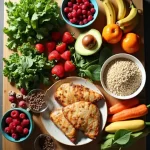
Nutrition forms a core pillar of longevity according to Harvard Health research. Diets rich in vegetables, fruits, whole grains, and healthy fats support cellular repair while lowering chronic inflammation that accelerates aging.
The CDC highlights evidence-based healthy aging habits centered on balanced eating patterns. These patterns help maintain muscle mass and cognitive function well into later life.
Key components include adequate protein intake from sources like fish, legumes, and nuts. This approach aligns with official 2025 guidelines promoting nutrition for healthy aging to preserve strength and independence.
Antioxidant-rich foods combat oxidative stress, a factor in age-related decline. Incorporating berries, leafy greens, and olive oil provides measurable benefits backed by peer-reviewed studies.
Harvard lifestyle strategies stress the value of consistent meal timing and portion control. Such practices complement the pillars of longevity by supporting metabolic health and energy levels.
Government resources from the Office of Disease Prevention emphasize calcium and vitamin D for bone density. These nutrients play a vital role in active aging strategies for middle-aged and older adults.
Reducing processed sugars and refined carbs helps stabilize blood sugar and reduce disease risk. This dietary shift contributes to science backed longevity outcomes observed in long-term population data.
Overall, integrating these nutrition principles fosters aging gracefully by enhancing resilience and daily vitality without complex regimens.
Practical Mobility and Movement Habits to Stay Active as You Age
Movement stands as one of the five pillars of longevity highlighted by Harvard Health. Regular activity preserves muscle, balance, and independence as part of healthy aging.
Stanford Medicine research shows simple daily habits maintain mobility and mental sharpness into the 60s and 70s. Start with brisk walking for 30 minutes most days to build endurance without strain.
UC Davis recommends strength exercises twice weekly using body weight or light resistance. Squats and wall pushes target major muscle groups essential for daily function.
Balance drills like single-leg stands or heel-to-toe walking reduce fall risk, a key concern in active aging strategies. Practice these for five minutes daily near a stable surface.
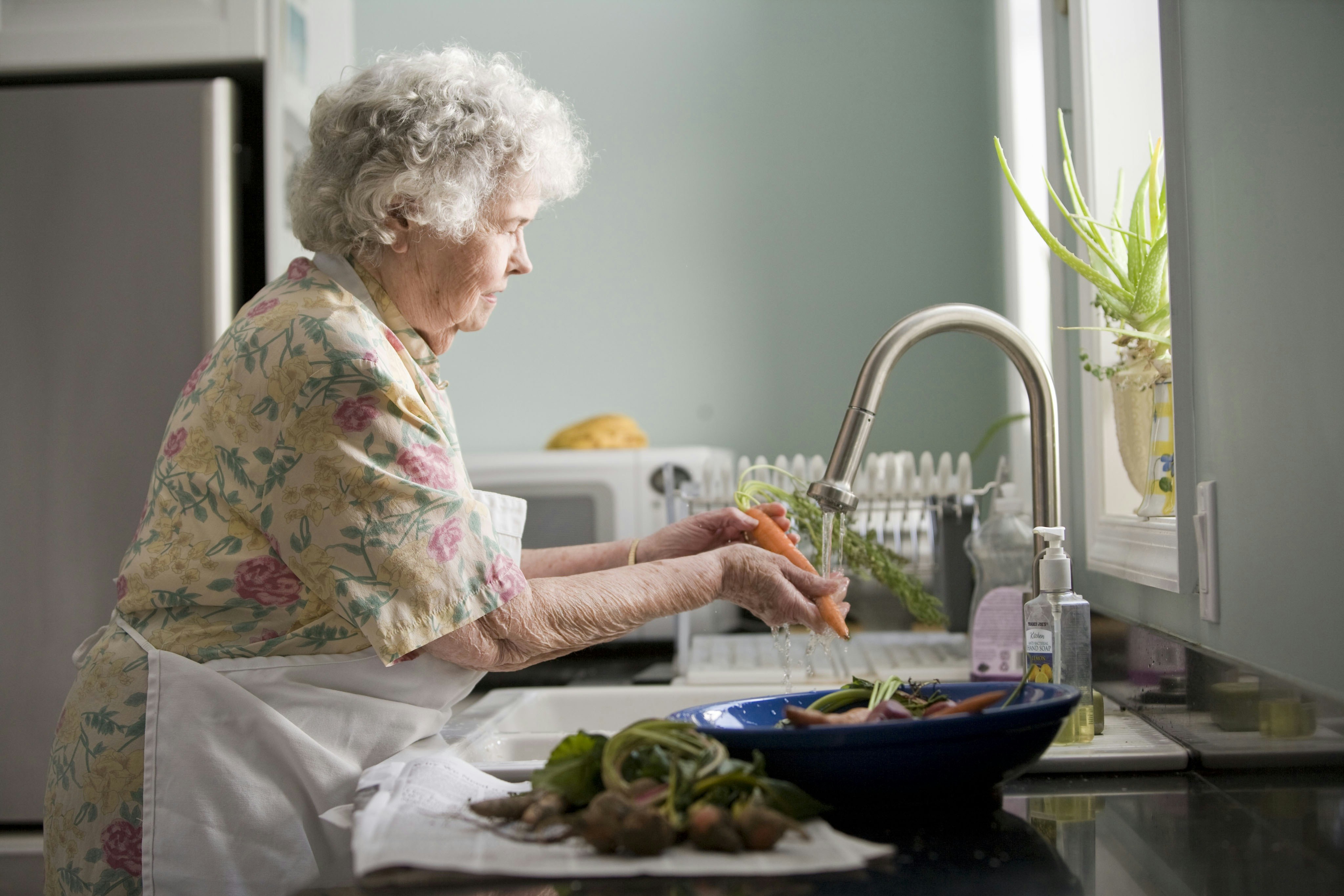
The CDC stresses incorporating movement into routines through gardening or household tasks. These count toward overall activity goals for healthy aging habits.
WHO frameworks encourage community environments that support safe exercise. Joining group classes adds social elements that boost adherence.
Consistency matters more than intensity. Tracking progress with simple logs helps sustain motivation and delivers science backed longevity gains over time.
Combine these with prior nutrition approaches to support graceful aging and sustained vitality.