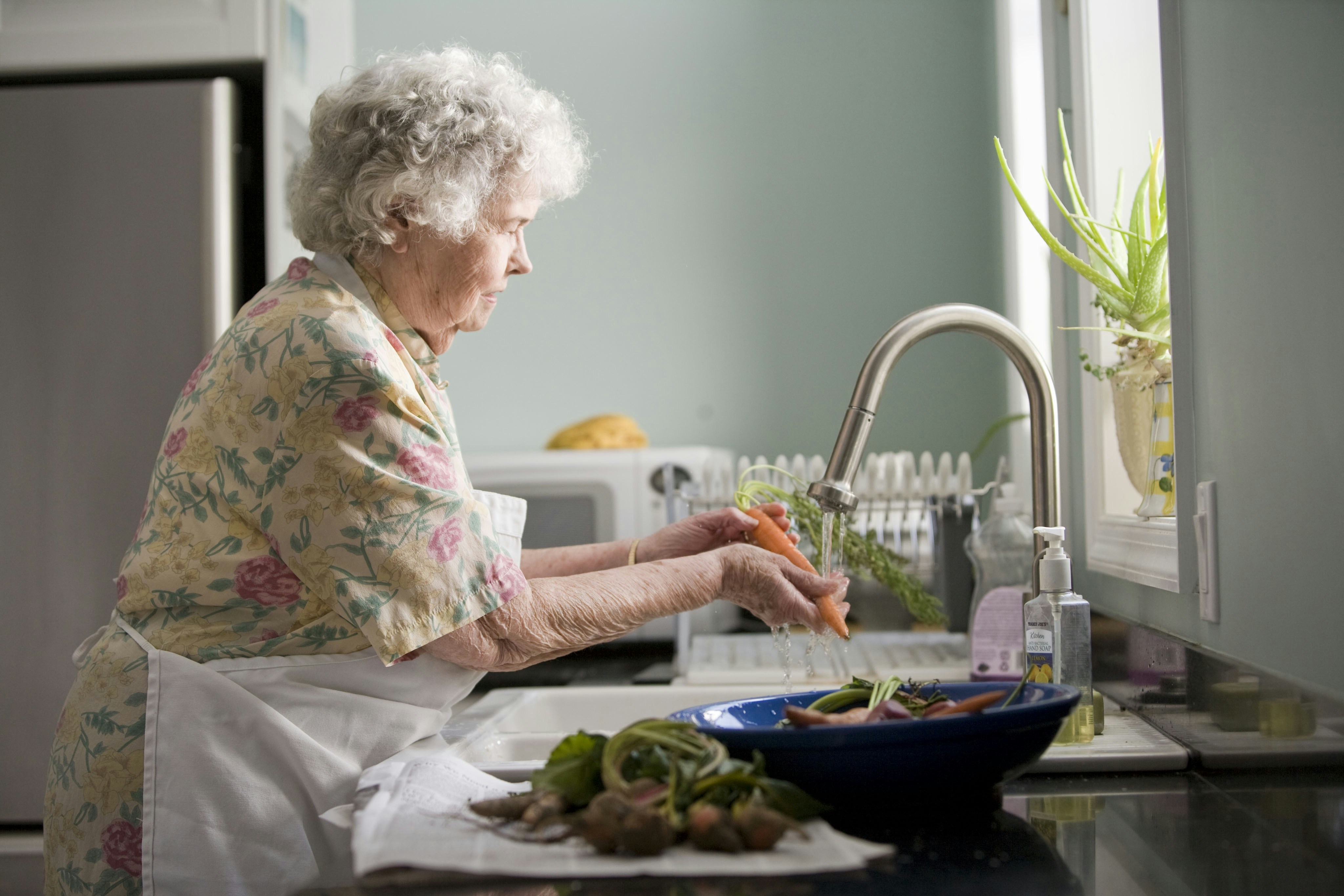
Why Healthy Aging Matters: Conquering Mobility Loss and Independence Fears
As middle-aged planners eye their future and seniors seek vitality, fears of mobility loss, cognitive fog, and frailty dominate. Imagine struggling to rise from a chair, stumbling on uneven ground, or forgetting cherished memories—these erode independence. Yet, science-backed healthy aging tips from Stanford Medicine prove it’s never too late to reclaim control.
“It’s never too late to start,” says Abby King, PhD, noting even inactive individuals gain fitness through tailored activity. In the 60s and 70s, muscle weakens rapidly with inactivity, but strength training preserves function for daily tasks like grocery carrying or stair climbing.
Falls threaten one in four older adults yearly, leading to injuries and dependence. Balance exercises, such as single-leg stands held 10-20 seconds, slash risks. A study shows those balancing on one leg for 10 seconds have lower mortality.
Cognitive decline alarms many, but social engagement and puzzles maintain sharpness. Harvard experts advocate optimism training via journaling, alongside exercise and sleep for longevity.
These healthy aging tips extend beyond exercise to nutrition and preventive care, targeting metabolic health and brain protection. NIH guidance stresses 150 minutes weekly of moderate activity plus strength work twice weekly.
Embracing healthy aging tips now conquers fears, ensuring vibrant independence. Middle-aged readers, start building habits; seniors, refine yours for graceful longevity.
Nutrition Strategies for Longevity: Fuel Your Body to Age Gracefully
Among effective healthy aging tips, nutrition stands out for preserving muscle mass, sharpening cognition, and slashing chronic disease risks. As we age, the body requires more protein despite fewer calories, making strategic choices vital.
Stanford Medicine clinicians advocate 1.0 to 1.3 grams of protein per kilogram of body weight daily. For a 150-pound individual, that’s 68-88 grams, achievable via three meals with 20-30 grams each—like a 3-4 ounce chicken breast, cup of Greek yogurt, can of tuna, three eggs, or 5 ounces of tofu. This combats muscle loss, essential for independence https://med.stanford.edu/news/insights/2026/01/healthy-habits-for-successful-aging-60s-and-70s.html.
The Mediterranean diet, ranked number one for health, emphasizes anti-inflammatory whole foods: abundant vegetables, fruits, nuts, legumes, fish, and olive oil, minimizing ultra-processed items high in salt, sugar, and saturated fats. Research links it to lower heart disease, diabetes, and cognitive decline risks. Michael Fredericson, MD, highlights its role against inflammation tied to Alzheimer’s.
NIH MedlinePlus echoes this, urging nutrient-rich seafood, plant proteins, lean meats, and five daily fruit-vegetable servings to fuel brain and body while curbing aging diseases https://magazine.medlineplus.gov/article/live-long-be-well-science-based-tips-for-healthy-aging.
Practical nutrition for seniors includes prioritizing protein and veggies first in meals, snacking on nuts over processed goods, and staying hydrated. These science-backed longevity strategies enhance metabolic health, support mitochondrial function, and promote vitality into the 80s and beyond.
Incorporate these healthy aging tips today: shift to plant-forward eating for sustained energy, mental clarity, and graceful longevity.
Mobility and Exercise for Active Seniors: Stay Strong and Fall-Proof
Mobility exercises for aging form core healthy aging tips, enabling active seniors to maintain strength and prevent falls. U.S. guidelines recommend 150 minutes of moderate aerobic activity weekly, like brisk walking, plus muscle-strengthening twice weekly https://med.stanford.edu/news/insights/2026/01/healthy-habits-for-successful-aging-60s-and-70s.html.
Strength training seniors preserves daily function: rising from chairs, carrying groceries, steadying against stumbles. Silvia Tee, MD, suggests sit-to-stand exercises—lower and rise from a chair 10-15 times, gradually minimizing hand support or using lower seats. Wall push-ups, resistance bands, or lighter weights with more reps to fatigue build power without intimidation, per Michael Fredericson, MD.
Balance training falls prevention is crucial; falls injure one in four older adults yearly. Single-leg stands: hold a countertop, lift one foot 10-20 seconds, switch legs, repeat 5-10 times. Corner stands—back to room corner, feet together, hands on walls, eyes closed—enhance stability. Those balancing one leg 10 seconds show lower mortality.
Aim for 7,000 daily steps for aerobic benefits; accumulate via short walks. NIH supports endurance (biking, swimming), balance (tai chi), flexibility (yoga), strength to boost mobility, coordination, and cognition https://magazine.medlineplus.gov/article/live-long-be-well-science-based-tips-for-healthy-aging.
These scalable routines suit all fitness levels: seated versions for beginners, progressed challenges for fit individuals. Abby King, PhD, affirms even previously inactive people gain wellbeing. Integrate healthy aging tips like brushing teeth with balance practice for effortless habit-building, ensuring fall-proof vitality.
Sources
- https://med.stanford.edu/news/insights/2026/01/healthy-habits-for-successful-aging-60s-and-70s.html
- https://hsph.harvard.edu/news/to-boost-longevity-choose-simple-science-based-strategies/
- https://www.innovativefitness.com/blog/how-to-live-to-100-science-backed-longevity-tips
- https://magazine.medlineplus.gov/article/live-long-be-well-science-based-tips-for-healthy-aging
- https://the-ria.ca/news/26-research-backed-tips-for-aging-well-in-2026/
- https://blog.a4m.com/healthy-holistic-and-happening-now-a-look-at-longevity-trends-for-2026/
- https://www.nationalchurchresidences.org/blog/senior-wellness-programs-trends-2026/
- https://choreographgainesville.com/blog/senior-nutrition-tips-for-healthy-aging-in-2026
- https://health.usnews.com/wellness/articles/top-health-and-nutrition-trends-for-2026
- https://www.wildnutrition.com/blogs/our-blog/7-science-backed-secrets-to-longevity-and-why-nutrition-is-key-to-each