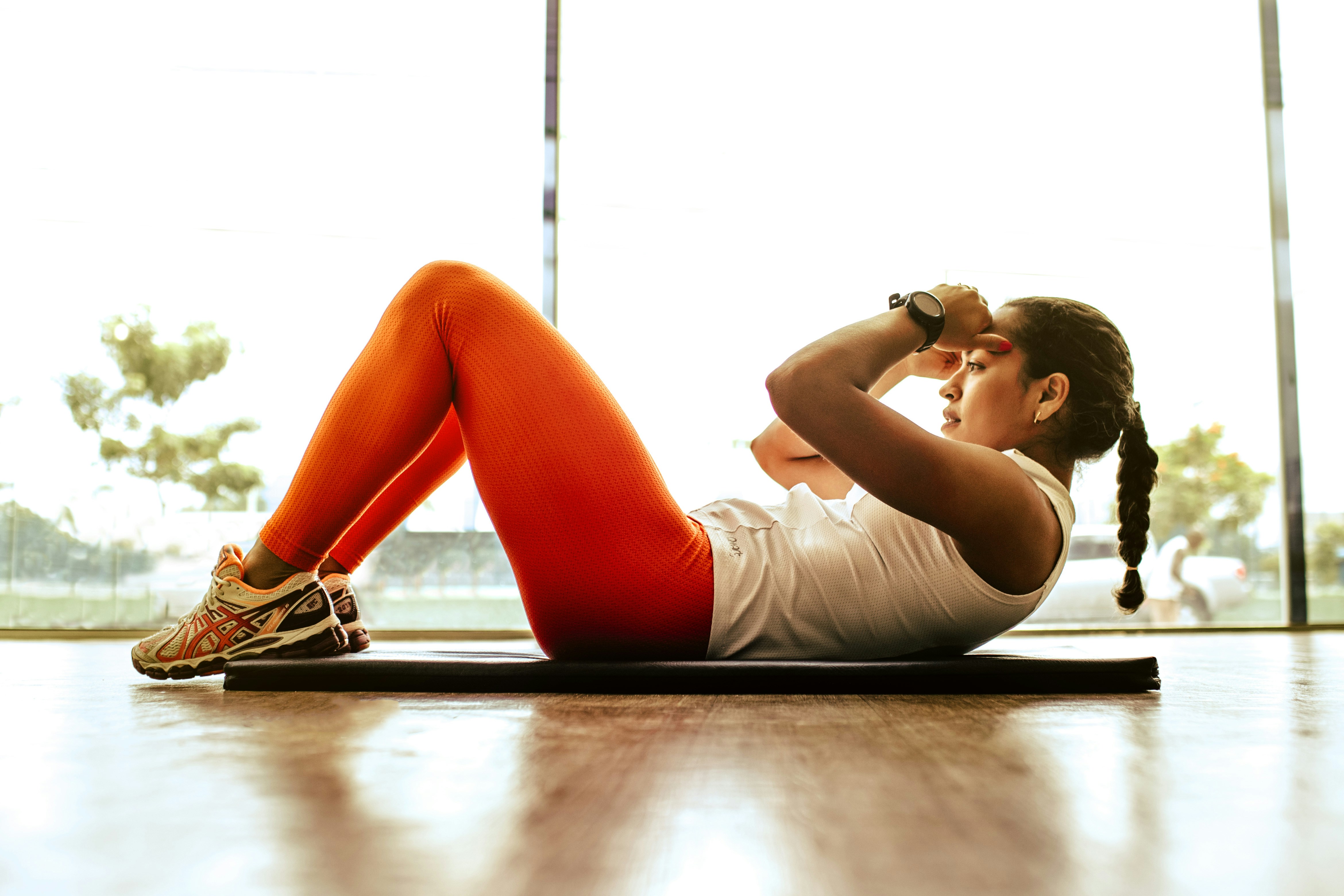
Many people start home workouts enthusiastically but stop soon after due to missing structure and slow visible results. Inconsistent sessions without clear goals lead to boredom and eventual dropout. Random movements fail to challenge the body enough for adaptation. Another key problem is ignoring proper technique. Without attention to joint alignment during movements, strains become common and derail momentum. Equipment free moves seem simple yet require precise execution to be effective.
This guide provides the solution. You will follow progressive home workouts that build steadily from basic to challenging variations. Full body home training targets all major muscle groups for balanced development. Concrete outcomes include increased muscle mass, reduced body fat percentage, and enhanced overall fitness. Safe exercise form protects joints and allows continuous training without setbacks.
Incorporating biomechanics tips improves movement efficiency and power output. Workout motivation strategies such as setting specific targets and tracking improvements keep you engaged long term. After several weeks you experience better posture, higher daily energy, and noticeable strength gains in push ups, squats, and planks. These at home workout routines deliver reliable progress when followed consistently with the outlined principles from expert sources. Expect measurable gains in strength and endurance that support athletic performance and daily physical health.
Easy No-Equipment Workout Routines for All Levels
Home workouts provide structured paths for consistent progress without gym access. Beginners begin with bodyweight squats, knee push ups, glute bridges, and forearm planks. Complete three sets of ten to twelve reps for lower body moves and hold planks twenty to thirty seconds. These equipment free moves establish base strength quickly.
Intermediate trainees advance to full push ups, walking lunges, single leg glute bridges, and shoulder taps. Perform four sets of eight to fifteen reps while maintaining controlled tempo. Full body home training circuits pair these with mountain climbers for added intensity.
Advanced athletes progress to pistol squat variations, diamond push ups, Bulgarian split squats, and plank shoulder taps with added time under tension. Execute five rounds with short rests to challenge endurance and power. Always focus on safe exercise form by aligning joints properly during each repetition.
At home workout routines scale effectively when you track weekly improvements and adjust difficulty. Progressive home workouts from expert sources deliver balanced development across all levels. Use biomechanics tips such as bracing the core and keeping knees over toes to maximize benefits and minimize risk. These no equipment exercises support long term adherence and measurable fitness gains when practiced regularly.
Biomechanics Tips and Motivation Strategies for Long-Term Gains
Applying biomechanics tips during home workouts protects joints and maximizes results. Maintain a neutral spine and engage the core before lifts or presses. Align knees with toes in lower body moves and keep shoulders down in upper body exercises. Proper joint alignment reduces strain and improves movement efficiency. Athletes who focus on safe exercise form experience fewer injuries and faster recovery.
Motivation strategies help sustain effort over months. Set specific, achievable targets such as increasing reps weekly or improving plank hold time. Reward yourself after reaching milestones with rest days or favorite healthy meals. Progress tracking apps or journals show how no equipment exercises build strength gradually. Community involvement through shared challenges keeps accountability high.
Incorporate habit formation by scheduling short sessions daily rather than long infrequent ones. Interval walking between strength circuits boosts endurance without extra equipment. Full body home training routines work best when you prioritize quality over quantity. Review form cues before each workout to reinforce good habits.
These approaches turn sporadic activity into consistent progress. Over time, better posture, higher energy levels, and visible muscle gains appear. Use progressive home workouts to challenge yourself safely while staying motivated through clear goals and tracked improvements. The combination of sound biomechanics and proven motivation tactics supports lasting physical health gains for home enthusiasts and athletes alike. Detailed form drills include practicing hip hinges with bodyweight to perfect deadlift patterns and wall angels for shoulder mobility. These build the foundation for all at home workout routines. Long term gains come from combining these with goal setting and regular reviews of performance logs to stay on track.
Sources
- https://www.healthline.com/health/fitness-exercise/at-home-workouts
- https://www.garagegymreviews.com/best-online-workout-programs
- https://www.menshealth.com/fitness/a25712996/new-years-fitness-center
- https://www.runnersworld.com/training/a74344967/running-form-improve-pace
- https://www.ideafit.com/biomechanic-basics-for-safe-effective-efficient-workouts
- https://www.ideafit.com/10-strategies-for-motivating-the-recreational-athlete
- https://www.trainheroic.com/blog/building-motivation-for-coaches-and-athletes
- https://www.nerdfitness.com/blog/the-7-best-at-home-workout-routines-the-ultimate-guide-for-training-without-a-gym
- https://www.gq-magazine.co.uk/lifestyle/article/home-workouts-strength-exercises
- https://www.nytimes.com/2025/12/29/well/move/fitness-workout-tips-2026.html