Home enthusiasts often face inconsistent results and motivation dips when routines lack structure. home workout routines provide the framework needed to push past these hurdles by delivering focused sessions that fit busy lives. Without guidance beginners encounter form issues that slow progress or cause setbacks. Equipment limitations further complicate efforts for many athletes aiming to improve physical health.
Through targeted home workout routines you achieve measurable strength gains and sustained consistency. Bodyweight HIIT workouts deliver efficient sessions that fit any schedule as outlined in resources on calisthenics routines. Incorporating biomechanics for safe training minimizes injury risk during equipment free exercises. This foundation supports long-term fitness motivation strategies by showing clear improvements over time.
Strength training at home becomes reliable when paired with injury prevention tips. The result is enhanced performance and confidence that carries into daily life. Athletes benefit from variety in these programs keeping engagement high. Progress tracking reinforces adherence turning initial efforts into lasting habits. Overall committing to these methods transforms barriers into stepping stones toward your goals. home workout routines deliver the outcomes you seek through evidence-based practices from sources such as PureGym and US News.
Bodyweight HIIT Routines and Biomechanics Tips for All Levels
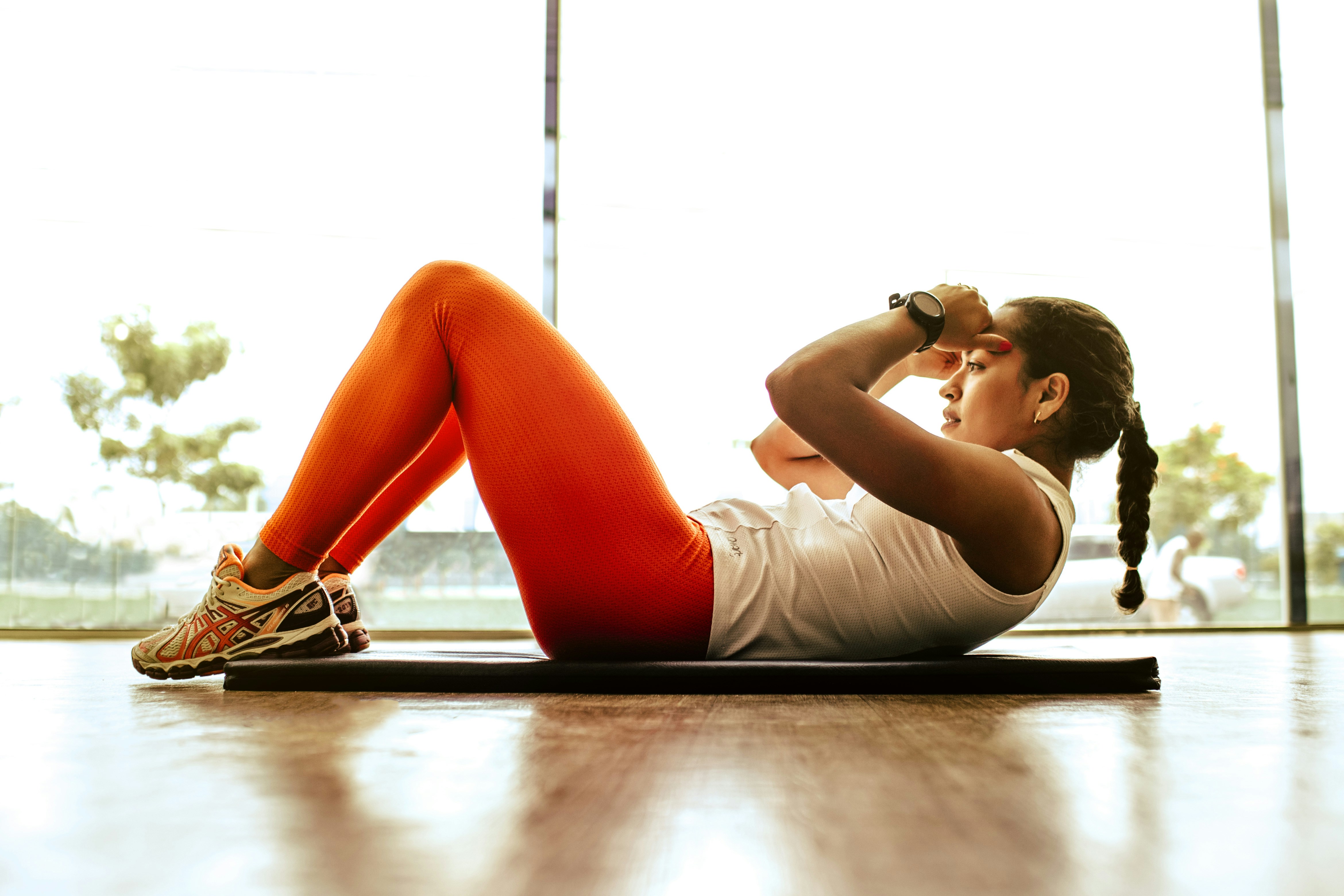
Bodyweight HIIT workouts deliver quick results in home workout routines by combining intense intervals with minimal rest. Perform a beginner circuit including jumping jacks, bodyweight squats, and plank holds for 20 seconds each followed by 10 seconds recovery. Repeat four rounds to elevate heart rate effectively. Advanced athletes can add burpees and high knees while maintaining control. Equipment free exercises like these fit any space and require no gear.
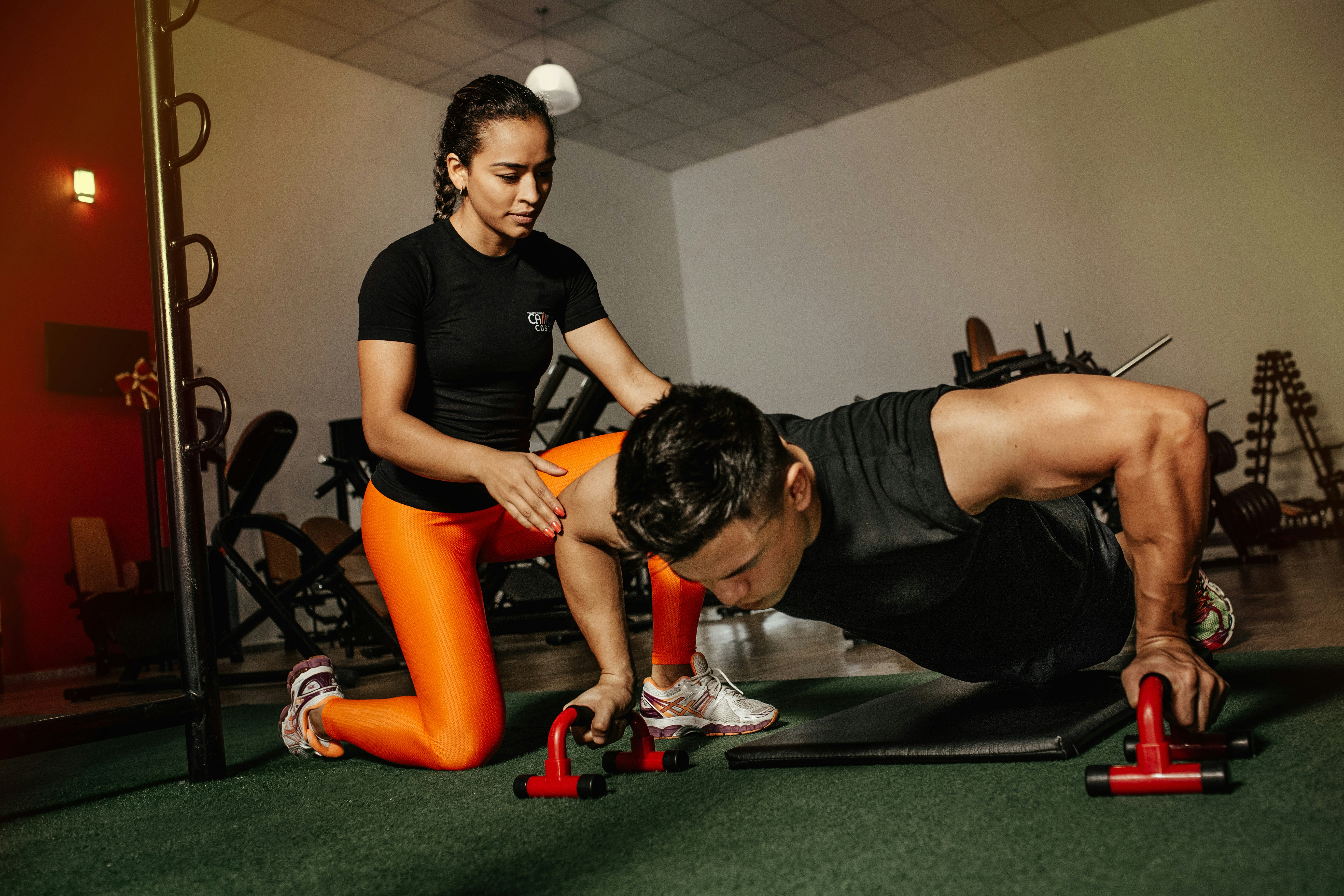
Focus on biomechanics for safe training through neutral spine alignment and controlled movements to avoid joint stress. In strength training at home emphasize full range of motion during push ups to target chest and triceps properly. Injury prevention tips include listening to your body and progressing gradually over weeks. Calisthenics routines thrive when paired with consistent breathing patterns that support core stability.
These practices enhance fitness motivation strategies by providing immediate feedback on performance. Use a timer app to structure sessions and log improvements weekly. Such approaches from sources like PureGym and StrengthLog ensure balanced development across fitness levels. The combination builds both power and resilience safely. For mobility integration include dynamic stretches between rounds to improve flexibility. The New York Times interactive plans suggest mixing strength moves with short walks for active recovery. This variety keeps sessions engaging. Biomechanics principles stress distributing weight evenly during lunges to protect knees. Always consult form guides from IDEA Fit for detailed cues on efficient movement patterns that maximize gains while minimizing risk.
Motivation Strategies, Common Mistakes, and Your Next Steps
Applying fitness motivation strategies helps sustain engagement with home workout routines over months. Set specific measurable goals like completing four bodyweight HIIT workouts each week and celebrate small wins with rewards. Variety in calisthenics routines prevents boredom while self evaluation tracks adherence effectively. Progress tracking builds momentum by highlighting strength gains from consistent strength training at home.
Common mistakes often stem from poor planning or ignoring injury prevention tips. Rushing through equipment free exercises without proper form increases risk of strain. Neglecting biomechanics for safe training during push ups or squats can cause joint issues over time. Another error is inconsistent scheduling which erodes motivation quickly.
To troubleshoot reset by starting with shorter sessions and focusing on controlled movements. Incorporate dynamic stretches as part of your routine for better flexibility and recovery.
Your next steps include selecting a beginner friendly plan from available resources and committing to three sessions this week. Monitor how you feel after each workout to refine your approach. This method supports lasting physical health improvements through deliberate practice and adjustment. Resources such as the New York Times fitness tips recommend integrating intensity walking on rest days to boost overall motivation. Use proximity to your workout space as a cue for starting sessions regularly. This combination of strategies ensures you overcome plateaus and achieve your physical goals sustainably. Evidence from IDEA Fit shows that rewarding progress keeps recreational athletes engaged long term. Start your journey now by reviewing a sample routine and adapting it to your level. Pair this approach with proven habit building techniques for best outcomes in your home workout routines.
Sources
- https://www.puregym.com/blog/workout-exercise-routines
- https://health.usnews.com/wellness/equipment-free-workout-routine
- https://www.strengthlog.com/strength-training-programs-for-women-2025
- https://www.nytimes.com/interactive/2025/well/move/workout-plan-ideas.html
- https://drrichardcunningham.com/how-to-achieve-2026-fitness-goals
- https://www.nytimes.com/2025/12/29/well/move/fitness-workout-tips-2026.html
- https://www.ideafit.com/biomechanic-basics-for-safe-effective-efficient-workouts
- https://piplum.com/motivate-yourself/gym-motivation-2025
- https://trainingforever.com/en/blog/psychology/athlete-motivation-and-adherence
- https://www.ideafit.com/10-strategies-for-motivating-the-recreational-athlete