Why Healthy Aging Feels Hard—and the Concrete Longevity Gains You’ll Get
Declining mobility and health concerns often make healthy aging seem daunting for middle-aged planners and seniors alike. Many fear losing independence or facing chronic issues without realizing these outcomes are not inevitable. Science shows that proactive steps in nutrition and mobility can yield significant longevity gains. For instance, evidence-based habits outperform flashy biohacks according to recent surveys.
This guide targets those ready to embrace healthy aging habits backed by experts. It breaks the myth that decline is unavoidable by presenting strategies from leading institutions like Stanford and NIA.
Nutrition for seniors plays a key role, emphasizing balanced diets rich in key nutrients to support overall function. Mobility exercises help maintain strength and balance, reducing fall risks substantially as people age.
Studies from Mayo Clinic and Harvard outline pillars like movement and nutrition that support graceful aging. Adopting these leads to concrete benefits including sustained energy and mental sharpness over decades.
Readers will discover how small, consistent changes in daily routines promote healthy aging without overwhelming effort. The focus remains on practical longevity tips that integrate seamlessly into life for lasting results.
By the end, you will have clear paths to aging gracefully with improved quality of life through proven methods. Additional insights from sources like the National Institute on Aging reinforce that exercise and lifestyle choices directly influence healthy aging outcomes. Embracing these approaches allows individuals to maintain active lifestyles longer than previously thought possible.
Science-Backed Nutrition and Mobility Habits for Longevity
Healthy aging depends on integrating proven strategies for nutrition and physical activity. Key pillars emerge from extensive research at institutions like Harvard and Mayo Clinic.
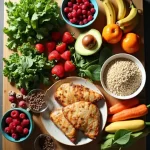
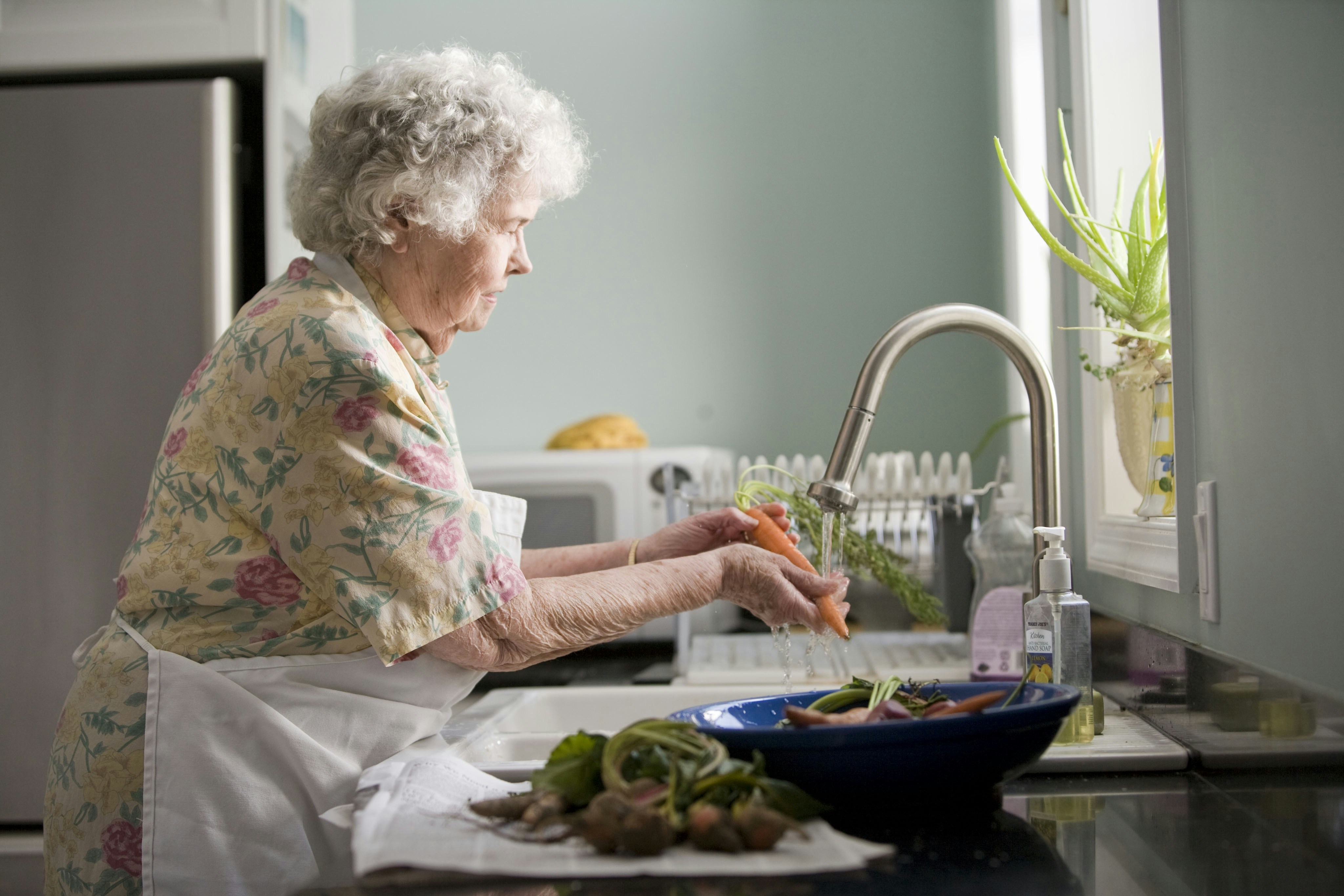
Nutrition for seniors emphasizes whole foods rich in vitamins and minerals. Prioritize fruits, vegetables, whole grains, and adequate protein intake to support muscle maintenance. This approach helps mitigate common age-related declines in strength and bone density.
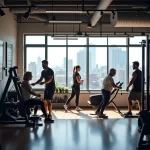
Mobility exercises should be performed regularly. Activities such as tai chi, resistance training, and aerobic walks enhance balance and endurance. These practices lower the risk of falls and promote independence.
Additional factors include sufficient sleep and effective stress management. Both contribute to overall resilience and cognitive function. Social engagement further bolsters emotional well-being during the aging process.
Stanford findings demonstrate that consistent habits in the 60s and 70s preserve both physical mobility and mental acuity. Similarly, NIA resources detail how exercise and dietary patterns influence longevity outcomes.
Implementing small adjustments yields quick results. For example, incorporating daily walks combined with balanced meals supports healthy aging habits effectively. Evidence from surveys indicates these outperform more extreme interventions.
Mayo Clinic recommends monitoring portion sizes and staying active to adapt to bodily changes. Harvard’s five pillars provide a comprehensive framework covering movement, nutrition, sleep, stress reduction, and social ties. See the Stanford article and Harvard pillars for deeper insights. Mayo Clinic advice highlights practical steps.
Adopting these methods fosters aging gracefully with sustained vitality. Longevity tips rooted in science offer practical pathways for middle-aged individuals and seniors alike. Regular application leads to better health metrics and quality of life improvements.
Your Step-by-Step Healthy Aging Plan, Mistakes to Avoid, and Next Actions
Start with a self-assessment of daily nutrition and movement patterns. Schedule a checkup to rule out underlying issues. Shift to balanced plates featuring protein, produce, and whole grains for effective nutrition for seniors. Add mobility exercises such as brisk walks or light resistance work three times each week.
Track sleep and stress levels as supporting pillars. Build social connections through clubs or calls to enhance resilience.
Common pitfalls include pushing too hard without recovery, which raises injury risk, or overlooking consistent meals that undermine healthy aging. Another error is expecting instant results instead of gradual gains.
Quick answers to frequent questions: When will energy improve? Most report gains after four to six weeks of steady effort. Limited mobility? Begin seated routines and progress slowly under guidance.
Next actions involve selecting one nutrition upgrade and one short exercise session today. Reassess monthly and tweak as needed. These science-backed aging habits compound over time for aging gracefully.
Review the NIA guide and NCOA facts to stay informed. Commit now to healthy aging and enjoy active decades ahead.
Sources
- https://med.stanford.edu/news/insights/2026/01/healthy-habits-for-successful-aging-60s-and-70s.html
- https://nutrabio.com/blogs/blog/what-healthy-aging-looks-like-2026
- https://health.usnews.com/wellness/articles/2026-healthy-aging-survey-5-proven-habits-that-matter-more-than-biohacks
- https://www.health.harvard.edu/healthy-aging-and-longevity/the-5-pillars-of-longevity-movement-nutrition-sleep-stress-reduction-and-social-connection
- https://www.ejinme.com/article/S0953-6205(25)00090-1/fulltext
- https://www.adventhealth.com/blogs/5-science-backed-habits-help-you-live-longer
- https://www.ncoa.org/article/get-the-facts-on-healthy-aging
- https://www.nia.nih.gov/health/healthy-aging/what-do-we-know-about-healthy-aging
- https://fellowshiplifeinc.org/blog/6-wellness-trends-older-adults
- https://www.mayoclinic.org/healthy-lifestyle/healthy-aging/in-depth/aging/art-20046070