The Nutrition Planning Struggle and Your Longevity-Focused Solution
Many home cooks and meal preppers face daily challenges with inconsistent eating patterns. Time constraints often lead to nutrient shortfalls, particularly in protein and fiber, which impact energy, muscle maintenance, and long-term health. Without structure, meals rely on ultra-processed options that fail to support fitness or aging well.
A longevity meal plan changes this by prioritizing balanced intake. Drawing from expert guidance, such plans emphasize whole foods that deliver sustained nutrition without complexity. Research compiled from over 40 dietitians highlights how focusing on protein and fiber creates practical wins for daily routines.
Structured approaches like a high protein meal plan deliver measurable results. They help preserve muscle as people age while supporting gut health through increased fiber. The Mediterranean diet meal plan serves as a proven base, offering anti-inflammatory benefits tied to longevity.
Home cooks benefit from simple meal prep for longevity strategies. These include batch cooking proteins, vegetables, and grains that store well and reduce last-minute decisions. Calorie-controlled examples from detailed seven-day frameworks show at least 85 grams of protein and 28 grams of fiber daily, aligning perfectly with healthy aging goals.
The outcome is consistent nourishment that fits busy schedules. Adopting a longevity meal plan turns nutrition from a struggle into a reliable foundation for fitness and vitality over time.
High-Protein Breakfast and Lunch Ideas for Immediate Wins
Integrating a longevity meal plan starts with simple high-protein options that fit into busy mornings and lunch breaks. Greek yogurt paired with berries and granola provides a quick boost of protein and fiber while keeping carbohydrates in check. This combination keeps you satisfied longer, especially after workouts.
Overnight oats offer another easy choice. Top them with fruit, chia seeds, and nuts for added fiber and healthy fats. For savory preferences, eggs mixed with cottage cheese and vegetables deliver versatile protein that supports muscle maintenance.
Lunch ideas focus on beans and vegetables to hit fiber targets. A bean salad mixes chickpeas or black beans with herbs, cheese, and fresh produce for an affordable, filling meal. Vegetable-packed grain bowls or stir-fries with fermented additions like kimchi enhance gut health benefits.
Wraps or sandwiches using canned tuna or tofu with plenty of greens create fast assemblies. These choices align with Mediterranean diet meal plan principles known for longevity advantages.
A high protein meal plan incorporates these recipes to reach daily goals efficiently. Examples from structured plans show how such meals contribute to at least 85 grams of protein daily without complexity.
Batch prep components like hard-boiled eggs or cooked beans ahead to streamline assembly. This approach turns nutrient optimization into a sustainable habit for healthy aging meal plan success.
Step-by-Step Weekly Meal Prep Routine and Common Pitfalls
Choose one day each week for planning your longevity meal plan. Start by listing meals that emphasize protein and fiber using the plate method. Shop for ingredients like lean proteins, beans, whole grains, and vegetables to support healthy aging meal plan targets of around 85 grams protein daily.
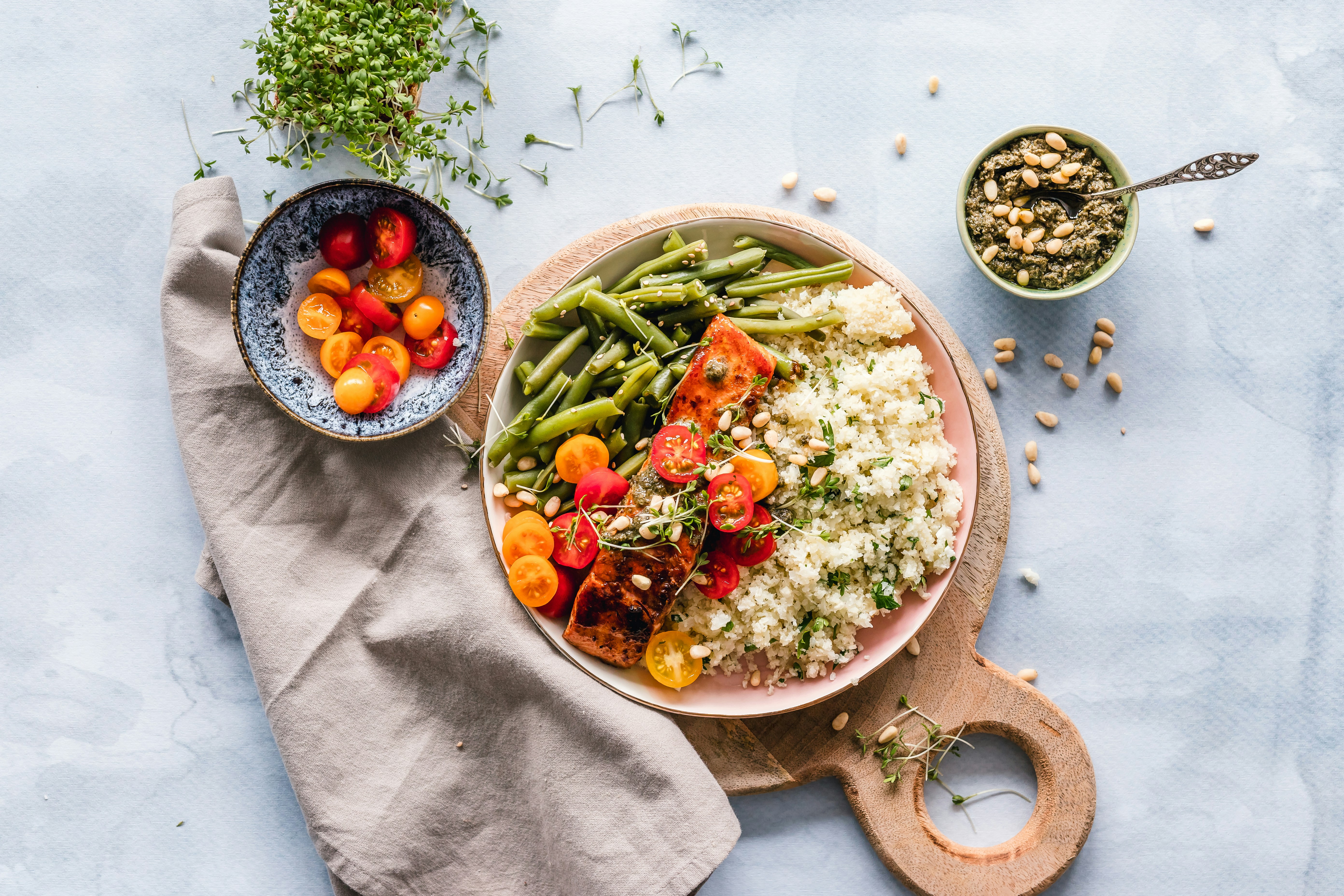
On prep day, cook items that take longest first such as roasting chicken or salmon alongside broccoli and sweet potatoes. Prepare brown rice or quinoa in large batches. Hard-boil a dozen eggs and wash salad greens for quick additions throughout the week. These steps align with Mediterranean diet meal plan principles that promote longevity through balanced nutrition from whole foods.
Divide cooked portions into airtight containers for breakfasts, lunches, and dinners. Label everything with dates to track freshness and safety. Refrigerate ready items for up to four days or freeze soups and stews for two to three months according to guidelines. Avoid storing high-moisture foods like tomatoes or watermelon that turn mushy after thawing.
Common pitfalls include preparing too many perishables at once, leading to unnecessary waste and frustration. Another mistake is skipping variety, which causes boredom and deviation from your high protein meal plan. Forgetting to rotate older items to the front also results in spoilage before use.
Swaps work well when calories, protein, and fiber levels stay similar across replacements. Replace one protein source with another of equal value to maintain goals without losing benefits. Sustainability comes from starting small with two or three days of meals before scaling up. This method fits fitness optimization without overwhelming schedules or requiring advanced skills. Batch cooking multiple recipes maximizes efficiency while keeping nutrients high. Review your plan weekly to adjust for preferences and seasonal produce availability.
High fiber recipes like bean salads or veggie stir-fries add gut benefits to every plan. Consistent execution turns meal prep for longevity into an effortless routine that delivers steady energy and muscle support.
Sources
- https://www.businessinsider.com/new-year-meal-plan-dietitian-nutritionist-tips-longevity-protein-fiber-2025-12
- https://bigmountainfoods.com/blogs/news/the-only-healthy-eating-guide-youll-actually-use-in-2026
- https://www.eatingwell.com/7-day-high-protein-meal-plan-for-healthy-aging-11919810
- https://www.forbes.com/health/weight-loss/best-diets
- https://www.tasteofhome.com/collection/meal-prep-recipes-week-ahead
- https://prepdish.com/roundups/dinner-meal-prep-recipes
- https://rachaelsgoodeats.com/20-healthy-recipes-for-2026
- https://nutritionsource.hsph.harvard.edu/meal-prep
- https://gerontologyatfranu.com/meal-plan-for-healthy-aging-eating-right-for-the-long-run
- https://www.todaysintegrativehealth.com/healthy-foods-plan-2026