Busy professionals often experience intense workloads and tight deadlines that trigger persistent stress. This ongoing strain frequently results in burnout, affecting both personal health and career satisfaction. Surveys indicate that many employees feel overwhelmed, leading organizations to seek better support systems for workforce well-being.
Building mental resilience offers a path forward. By adopting practical techniques, professionals can regain control and maintain focus amid demands. The APA provides guidance on managing work stress through proven strategies like boundary setting and relaxation exercises.
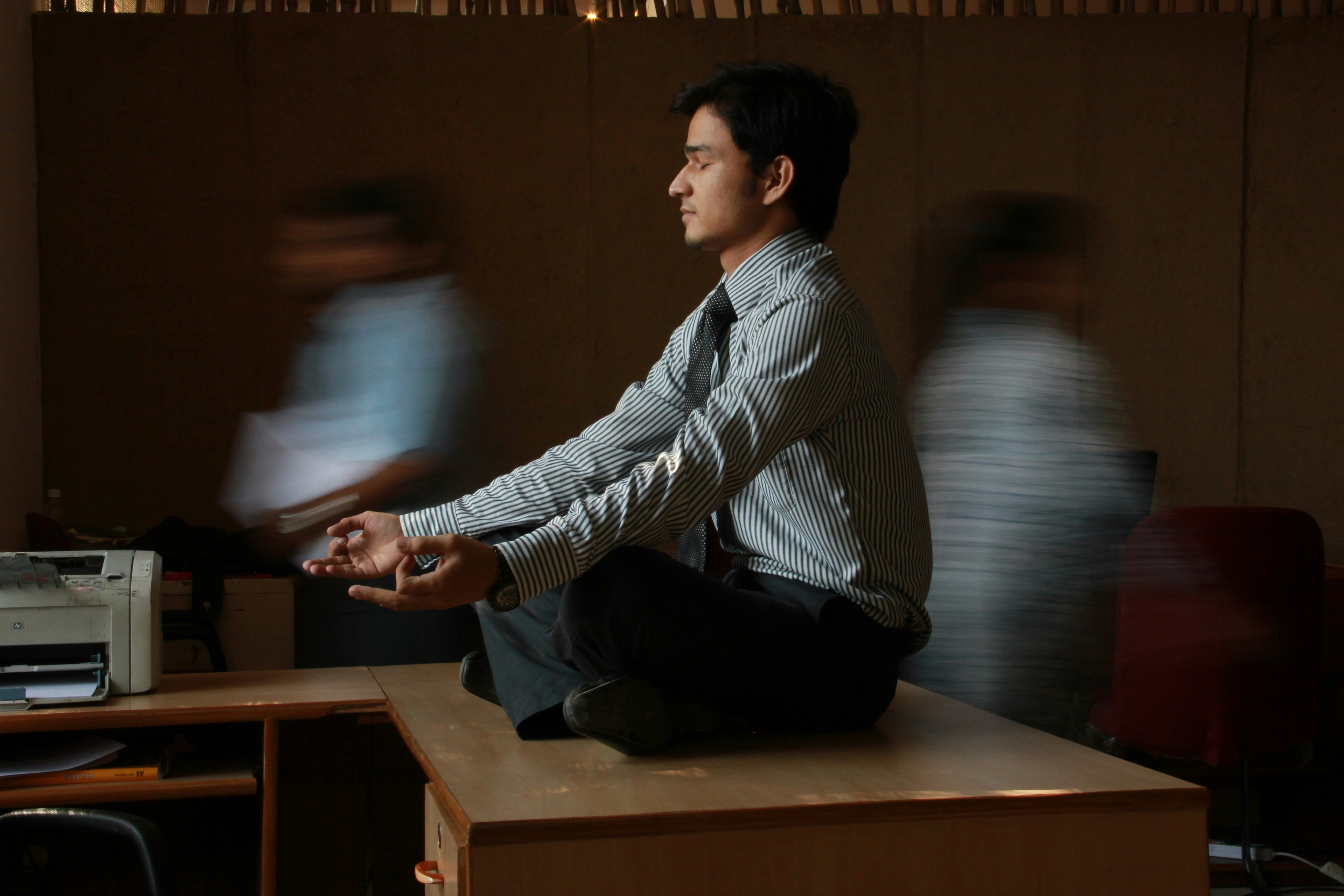
Incorporating mindfulness practices at work helps individuals stay present and reduce reactivity to pressure. Small shifts, such as brief breathing exercises between meetings, build cumulative benefits over time. Evidence shows these methods enhance performance while lowering stress levels for busy professionals.
Growth mindset for professionals encourages viewing challenges as opportunities rather than threats. Cognitive reframing techniques enable this shift by questioning negative assumptions and replacing them with balanced views. Such approaches foster adaptability in high-pressure environments.
Evidence-based coping mechanisms drawn from CBT techniques for mindset strengthen emotional regulation. Consistent application supports preventing burnout strategies tailored to busy schedules. With dedication, these practices promote sustained well-being.
Ultimately, committing to building mental resilience equips professionals with the inner resources needed for long-term success and fulfillment in their careers.
Quick Daily Mindfulness Wins You Can Start Tonight
Simple breathing exercises offer immediate stress relief for busy professionals. Spend five minutes focusing solely on your inhale and exhale before bed. This practice calms the nervous system and supports building mental resilience by creating space between you and daily pressures.
Mindful walking integrates movement with awareness. As you stroll around your home or office, notice each footstep and the sensations in your body. Resources like the Niroga Institute highlight how these techniques improve focus and lower tension during work hours.
A brief body scan helps release physical tightness accumulated from sitting at desks. Start at your toes and move upward, observing without judgment. The Mindful Center emphasizes that somatic practices like this build resilience through consistent daily use.
Gratitude journaling provides cognitive balance. Write three things that went well today, no matter how small. This habit encourages a growth mindset for professionals and reduces rumination on stressors.
Digital detox minutes before sleep prevent overstimulation. Turn off screens and observe your surroundings quietly. Evidence from workplace mental health studies shows such boundaries prevent burnout strategies from failing under constant connectivity.
These low-effort actions compound over time, reinforcing evidence-based coping mechanisms. When practiced regularly, they strengthen your capacity for building mental resilience against ongoing professional demands.
Cognitive Reframing Techniques to Shift Negative Thought Patterns
Cognitive reframing techniques help transform automatic negative thoughts into more balanced perspectives during demanding schedules. When facing uncertainty at work, pause to identify the thought and evaluate supporting evidence. This forms the foundation of CBT techniques for mindset shifts.
Evidence from structured approaches demonstrates reduced emotional reactivity through questioning distortions. Replace assumptions of failure with views of temporary setbacks as learning moments that align with growth mindset for professionals.
Notice recurring patterns during stressful periods and document the thought along with pros and cons. Develop an alternative balanced statement. These steps deliver stress relief for busy professionals in minimal time.
Combine reframing with existing mindfulness practices at work to strengthen building mental resilience. Consistent practice curbs stress escalation and supports preventing burnout strategies. Start with low-pressure scenarios to develop proficiency.
Key actions involve labeling emotions, disputing extreme outcomes, and highlighting elements within control. Evidence-based coping mechanisms enhance decisions amid pressure.
Regular application solidifies the skill set. Professionals report enhanced adaptability and satisfaction. Building mental resilience via cognitive reframing techniques serves as an essential daily asset for performance and long-term well-being.