Many middle-aged individuals worry about gradually losing their independence as years pass. Fears of reduced mobility or cloudy thinking can feel overwhelming, yet small daily actions taken now produce meaningful change. Stanford research shows habits focused on mobility, independence and cognitive health deliver results even when started in the 50s.
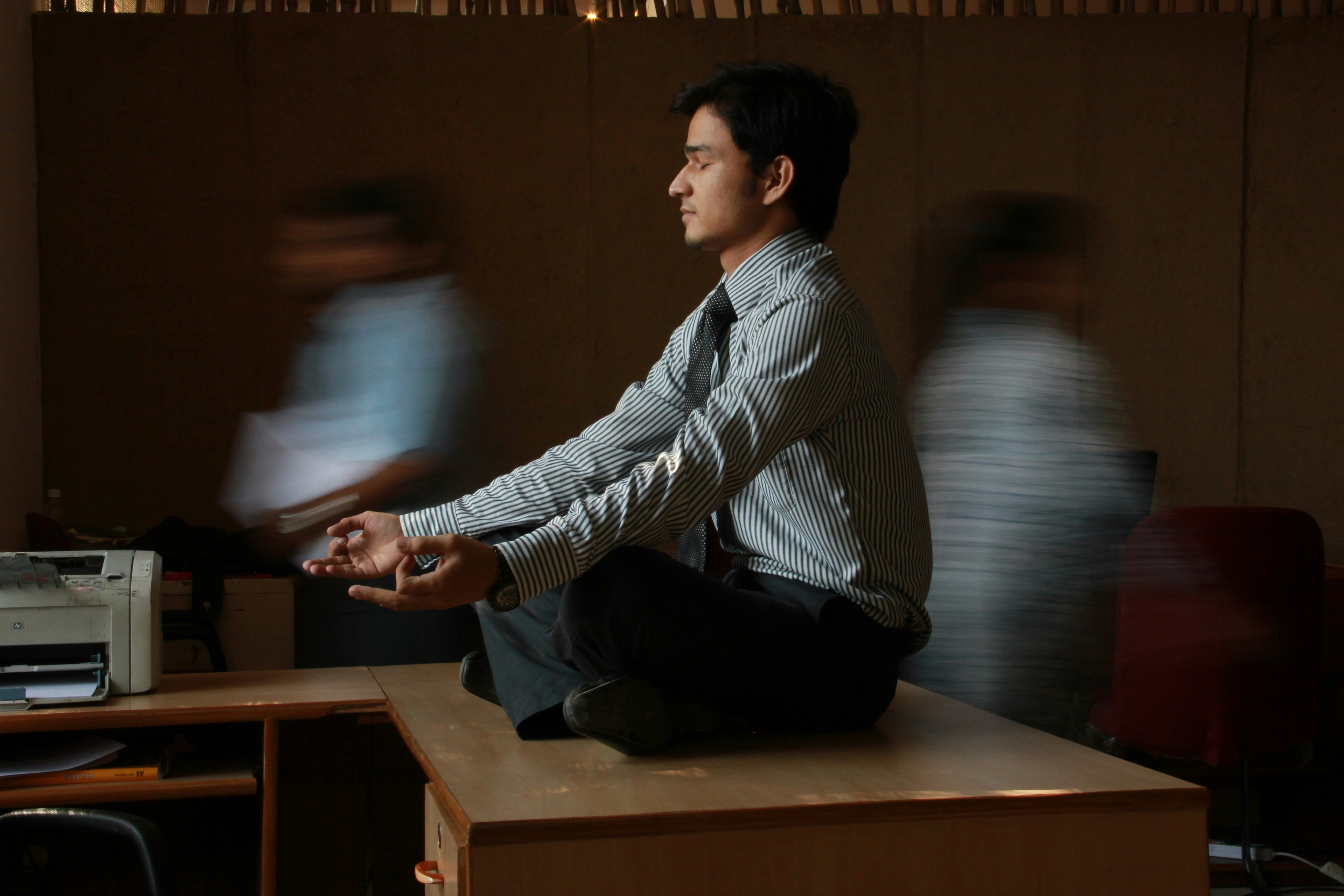
Quality sleep forms the base. Seven to nine hours each night helps regulate hormones, sharpens focus and lifts mood within a short time. Consistent rest also lowers inflammation that accelerates aging.
Daily movement comes next. Thirty minutes of walking or light strength work most days improves energy and balance. People often notice better spirits and easier movement after only a few weeks.
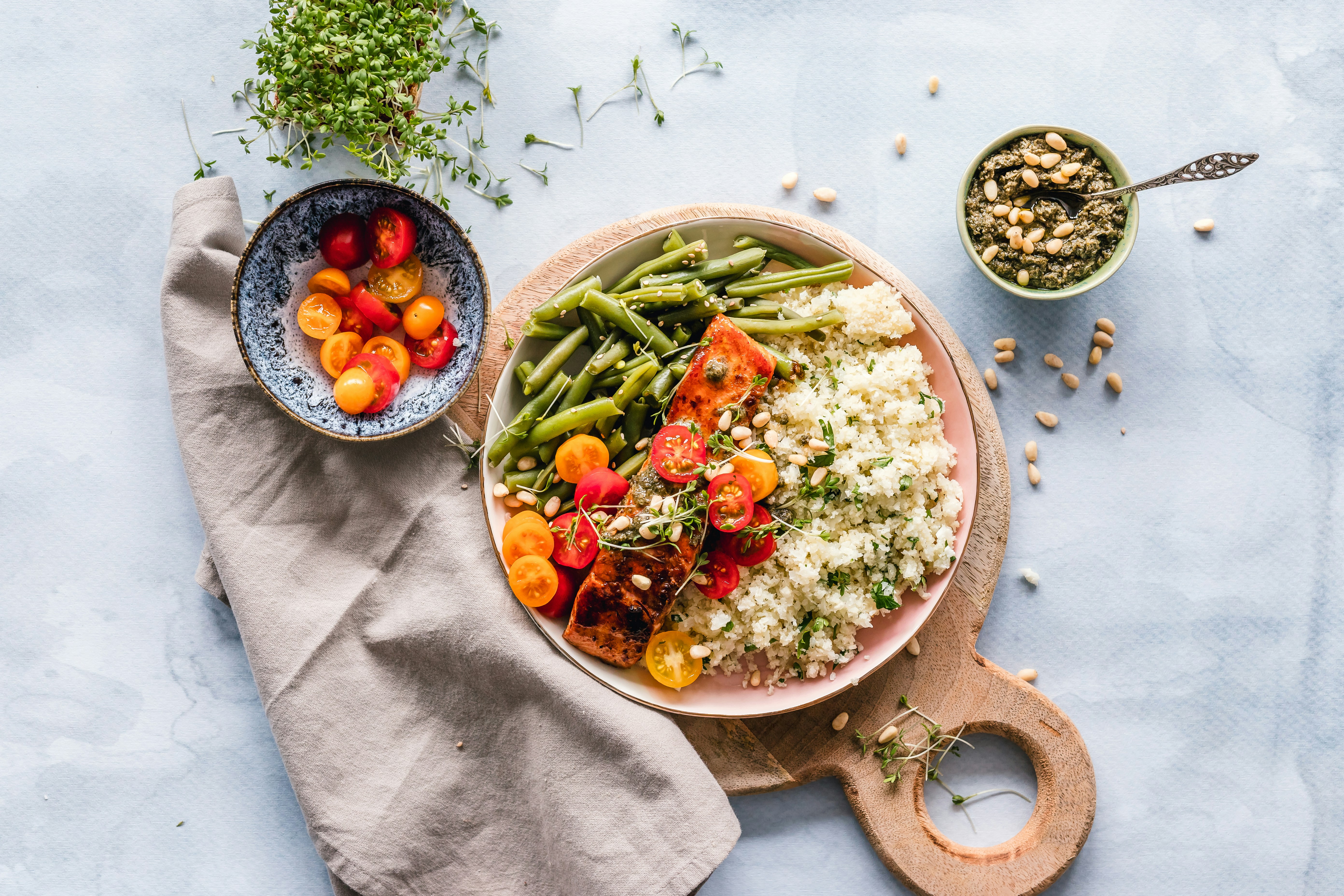
Adequate protein rounds out the trio. Including 25 to 30 grams at each meal supports muscle maintenance critical for healthy aging. Eggs, fish, legumes and dairy provide convenient options that fit varied diets.
These three practices together create rapid visible benefits in energy and outlook. Adopting them consistently builds resilience for active aging independence. Harvard studies confirm lifestyle factors such as sleep, exercise and nutrition strongly influence healthy longevity. Starting today turns potential decline into sustained vitality. healthy aging becomes achievable through these proven steps rather than chance.
Nutrition Strategies That Protect Healthspan After 50
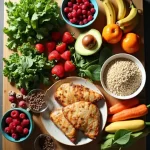
Focusing nutrition choices can greatly influence how people experience healthy aging. Prioritizing protein for seniors means consuming at least 1.2 grams per kilogram of body weight daily to help maintain lean muscle mass. Distributing this amount across three main meals using options like fish, lentils, cottage cheese and almonds supports physical function and reduces frailty risks over time. Emphasizing anti-inflammatory foods further aids the process. Blueberries, salmon, walnuts and turmeric combat inflammation that accelerates cellular aging. Harvard findings link these dietary components directly to extended healthspan through lowered disease incidence. Addressing gut health basics forms another pillar. Consuming adequate fiber from vegetables and whole grains along with fermented products such as kefir fosters microbiome diversity. Recent wellness reports note that strong digestion improves nutrient absorption and mood stability during aging. Incorporating vitamin-rich produce like spinach and broccoli supplies vital micronutrients. Olive oil as a main fat source adds protective polyphenols. Studies confirm these selections contribute to science backed longevity outcomes when adopted consistently from midlife. Avoiding excessive sugars and processed items prevents metabolic issues. Personalizing intake based on activity levels ensures sustainability. These simple shifts create lasting benefits for active aging independence and vitality. Additional details include staying hydrated with water and herbal teas to support all metabolic processes. Monitoring portion sizes helps maintain healthy weight which further protects joints and heart. Research from nutrition reviews stresses starting these changes early for maximum impact on biological age markers. Combining diet with movement for synergistic effects but the focus here remains dietary. Community programs offer meal planning help for seniors seeking guidance. Ultimately these evidence based adjustments lead to improved longevity markers and better daily living. The MDPI review on nutrition strategies emphasizes balanced macronutrients and micronutrients for optimal aging trajectories starting in the 50s. This integrated view helps individuals build resilience against common age related declines.
Movement Routines for Strength, Balance, and Independence
Regular strength training preserves muscle during healthy aging. Begin with bodyweight squats, wall push-ups and seated rows three times weekly. Progress by adding light dumbbells or resistance bands as strength improves. Balance exercises such as single-leg stands and heel-to-toe walking enhance stability and support active aging independence. Perform these for 10 minutes daily to reduce fall risk significantly. A sample weekly routine includes two strength sessions, daily walking goals of 7000 steps and tai chi on weekends. Warm up with gentle stretches each time to prevent injury. Track progress noting repetitions and ease of movement. Common barriers include joint pain or lack of motivation. Modify exercises using chair support or shorter sessions to stay consistent. Consult a physical therapist if pain persists or balance problems increase. Professional input ensures safety during routines. These movement habits combined with nutrition strategies boost outcomes. Stanford experts note mobility focus leads to greater independence in later decades. Regular practice aids science backed longevity through better physical and mental resilience. Harvard overview confirms lifestyle including exercise promotes healthy longevity. Evidence from wellness trends shows structured plans help health-conscious seniors maintain vitality. Start slow to build sustainable habits that aid aging gracefully tips in practice. Incorporating these into daily life supports healthy aging and promotes active aging independence over many years. Various resources provide guidance on senior mobility exercises that fit individual needs. Consistency matters most for lasting results in healthspan extension. Tailor the plan based on personal fitness levels and review periodically with experts.
Sources
- https://med.stanford.edu/news/insights/2026/01/healthy-habits-for-successfully-aging-60s-and-70s.html
- https://go.shaklee.com/wellness-trends-of-2025-that-are-here-to-stay-and-whats-next-for-2026
- https://www.nationalchurchresidences.org/blog/senior-wellness-programs-trends-2026
- https://distance.physiology.med.ufl.edu/about/articles/8-innovative-aging-trends-to-watch-in-2026
- https://www.wellabe.com/news/top-health-trends-for-seniors
- https://nutritionsource.hsph.harvard.edu/healthy-longevity
- https://www.mdpi.com/2072-6643/15/1/47
- https://www.todaysdietitian.com/nutrition-for-health-and-longevity
- https://www.glanbianutrition.com/en/nutri-knowledge-center/insights/2026-trends-self-care-longevity-and-strength-health-conscious-moms
- https://extension.unr.edu/healthy-aging/newsletters.aspx