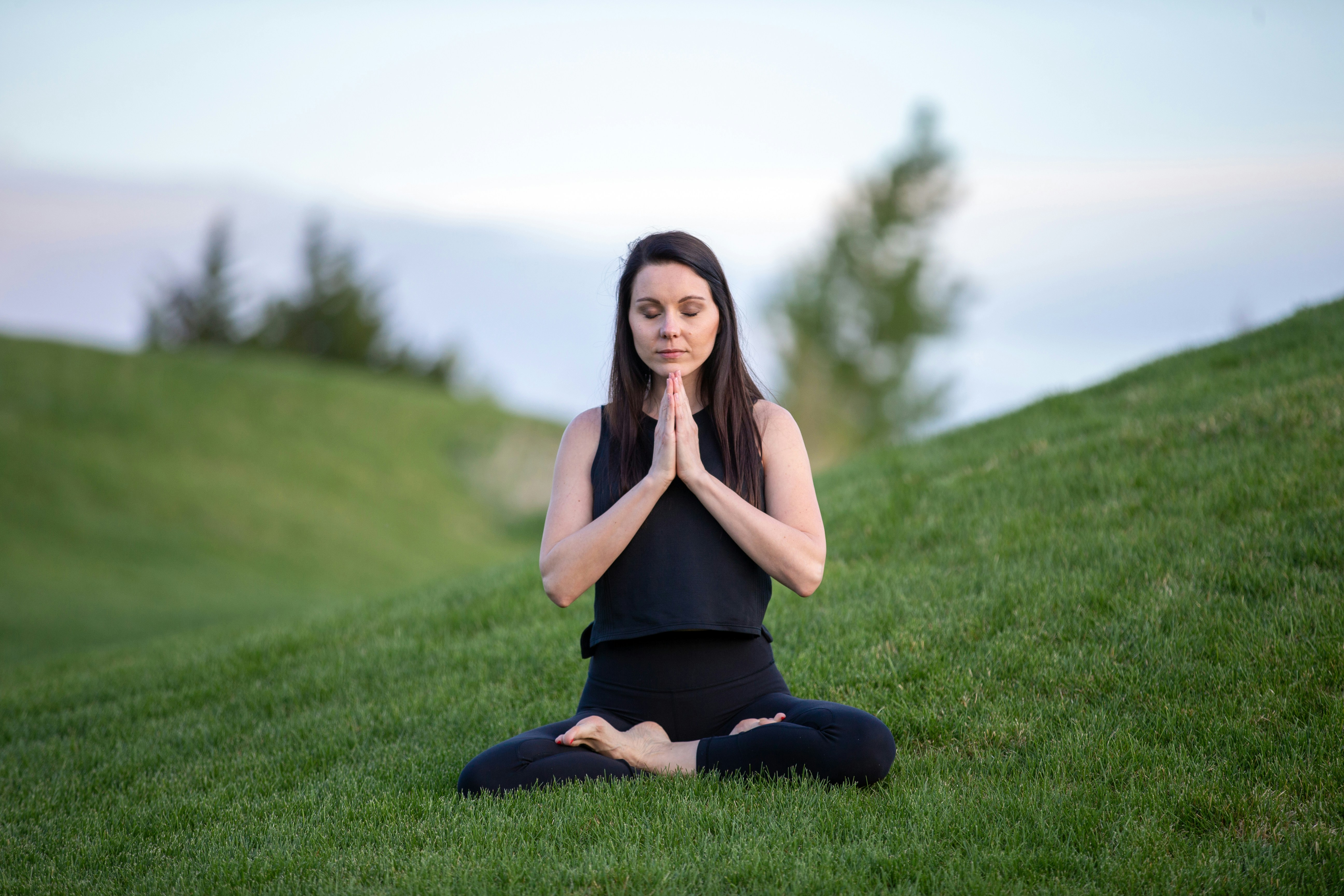
In today’s fast-paced world, many individuals experience feelings of being overwhelmed and disconnected from their true selves. This disconnection often leads to stress and a lack of fulfillment. Mindfulness serves as a powerful tool to reconnect with the present moment and cultivate a sense of calm. For mindfulness practitioners and holistic health enthusiasts, embracing spiritual well-being becomes essential for achieving holistic balance.
Spiritual well-being encompasses more than just mental health; it involves nurturing the spirit through intentional practices. By incorporating mindfulness practices into daily routines, individuals can foster inner peace that radiates through all aspects of life. Research from various studies highlights how these practices enhance overall well-being.
One effective approach is to start with basic breathing exercises. These exercises ground the mind and body, reducing anxiety. Additionally, spending time in nature supports spiritual well-being by promoting reflection and gratitude. A 2025 pilot study on nature-based contemplation demonstrates its positive impact on spiritual health.
Yoga also plays a key role. A cross-sectional study links yoga to improved spiritual and subjective well-being, making it valuable for holistic enthusiasts. Regular practice encourages self-awareness and emotional stability.
This guide is designed specifically for those already familiar with mindfulness but seeking to deepen their journey toward holistic balance. Through actionable insights, readers can integrate these elements seamlessly into their lives, leading to lasting inner peace and enhanced spiritual well-being.
Quick Wins: Simple Daily Mindfulness Exercises for Immediate Calm
Feeling overwhelmed is common, but quick mindfulness exercises can bring immediate calm and support spiritual well-being. These practices help mindfulness practitioners find inner peace and move toward holistic balance. Starting small builds confidence and momentum for deeper spiritual exploration.
Begin with the 4-7-8 breathing technique from established guides. Inhale quietly through the nose for four seconds, hold the breath for seven seconds, then exhale completely through the mouth for eight seconds. Repeat this cycle four times. This method calms the nervous system rapidly and reduces stress, setting a foundation for spiritual well-being.
The five senses exercise offers another accessible tool. Identify five things you see, four you can touch, three you hear, two you smell, and one you taste. This practice anchors attention in the present and heightens sensory awareness, fostering inner peace during hectic moments.
A brief body scan meditation takes five minutes. Lie down or sit comfortably and mentally scan from the toes upward, noting sensations and releasing tension. The Mayo Clinic highlights how such mindfulness exercises enhance focus and emotional regulation over time. mindfulness exercises
Step outside for nature-based contemplation by observing natural elements mindfully for a few minutes. This simple act promotes gratitude and connection, directly supporting spiritual health and holistic balance.
These quick wins create early success. Consistent application prepares practitioners for advanced methods like yoga for spiritual well-being, leading to sustained calm and overall equilibrium.
Nature-Based Contemplation and Yoga for Spiritual Connection
Nature-based contemplation deepens spiritual well-being by grounding practitioners in the natural world. Evidence from a 2025 pilot study confirms that structured time in nature boosts spiritual connection and alleviates feelings of disconnection. nature-based contemplation
Begin by selecting a serene location such as a park or garden. Arrive early in the morning to minimize distractions. Spend the first few minutes settling into a comfortable seated position. Then direct attention to the breath while noticing the surrounding flora and fauna. Extend this observation to include the play of light and shadow or the movement of clouds overhead. Continue for twenty minutes to allow full immersion.
Yoga for spiritual well-being integrates movement with introspection. According to a 2026 cross-sectional study, individuals who practice yoga regularly report elevated spiritual and subjective well-being scores. yoga for spiritual well-being
Start with a simple sequence performed outdoors when possible. Flow through cat-cow poses to awaken the spine, then hold downward dog to stretch the entire body. Follow with seated forward folds and end in savasana. Focus on linking each motion to the breath. This approach nurtures holistic balance by uniting physical health with spiritual awareness.
To combine the two, finish yoga with ten minutes of nature observation. Reflect on how the body mirrors the stability of trees or the flow of water. Such integration transforms basic mindfulness exercises into profound spiritual health practices. Regular use leads to lasting inner peace and greater resilience against daily stressors.
Mindfulness practitioners can adapt these methods to their existing routines. For instance, replace indoor meditation with outdoor sessions on alternate days. Track progress in a journal to note improvements in spiritual well-being. Over weeks, the combined power of nature and yoga fosters deeper holistic balance and sustained inner peace for all who commit to the process. Embrace this path to unlock your full potential for inner peace and holistic balance.
Sources
- https://link.springer.com/article/10.1007/s12671-025-02686-6
- https://pmc.ncbi.nlm.nih.gov/articles/PMC12845600
- https://www.changedirection.org/treatment/mindfulness
- https://www.mindandlife.org/online-learning/blog-archive
- https://www.mayoclinic.org/tests-procedures/meditation/in-depth/mindfulness-exercises/art-20046356
- https://wp.nyu.edu/mind/2025/01/02/finding-inner-peace-through-holistic-care
- https://www.obrienphysicaltherapy.net/blog/holistic-health-approaches-to-enhance-well-being
- https://www.benedictineliving.org/resources/news/the-quiet-power-of-spiritual-health-why-it-matters-for-older-adults
- https://www.indwes.edu/articles/2025/05/the-role-of-integrative-health-in-mental-wellness
- https://woodlawnhospital.org/nurturing-the-soul