Clean eating has become one of the most popular health trends in recent years. The idea sounds simple—eat whole, natural, and minimally processed foods. But if it’s that straightforward, why do so many people struggle to see results?
The truth is, many people approach clean eating with misconceptions. From cutting out entire food groups to falling for marketing buzzwords, small mistakes can sabotage your progress and leave you frustrated.
This ultimate guide breaks down what clean eating really means, the mistakes you’ve probably been making, and how to fix them so you can finally achieve a healthier, more sustainable lifestyle.
What Clean Eating Actually Means
At its core, clean eating is about choosing foods that are as close to their natural state as possible. That means:
- Whole fruits and vegetables over packaged juices.
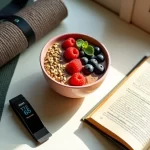
- Whole grains like oats, quinoa, and brown rice instead of refined carbs.
- Lean proteins like chicken, fish, legumes, and eggs.
- Healthy fats such as avocados, nuts, and olive oil.
Clean eating isn’t about extreme restriction or fad diets. It’s about making mindful, nourishing choices that fuel your body.
The Biggest Myths About Clean Eating
Clean eating is often misunderstood, which leads to unsustainable habits. Let’s clear up the myths:
- Myth: You must avoid all carbs. Truth: Whole carbs like sweet potatoes and brown rice are essential for energy.
- Myth: Clean eating means cutting out all fat. Truth: Healthy fats support hormones and brain health.
- Myth: Organic equals clean. Truth: Organic cookies are still cookies if they’re loaded with sugar.
- Myth: Clean eating is expensive. Truth: Staples like beans, rice, and seasonal vegetables are affordable and clean.
When you bust these myths, clean eating becomes realistic and sustainable.
Common Mistakes You’re Making With Clean Eating
Even with the best intentions, many people unknowingly sabotage their efforts. Some of the most common mistakes include:
- Eating “health foods” that are actually processed (granola bars, flavored yogurts).
- Overeating healthy foods like nuts or dried fruits, which are calorie-dense.
- Drinking smoothies and juices packed with sugar.
- Ignoring portion sizes because the food is “clean.”
Remember, clean eating isn’t just about food quality—it’s also about balance and moderation.
Clean Eating vs. Dieting: What’s the Difference?
Unlike traditional diets, clean eating isn’t about strict calorie counting or eliminating entire food groups. It’s about creating a lifestyle you can maintain long-term.
- Dieting: Short-term, restrictive, often unsustainable.
- Clean eating: Flexible, balanced, focused on nourishing the body.
When you shift from dieting to clean eating, you stop obsessing over quick fixes and start building lasting healthy habits.
How to Build a Clean Eating Plate
Creating a balanced plate doesn’t have to be complicated. Think of it as a formula you can repeat:
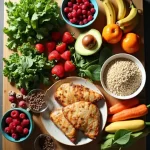
- Half your plate: Vegetables and fruits (colorful and diverse).
- One-quarter: Whole grains (brown rice, quinoa, oats).
- One-quarter: Lean protein (fish, chicken, beans, tofu).
- Add healthy fats: Olive oil, nuts, seeds, or avocado.
This balance ensures your body gets all the nutrients it needs to function at its best.
Clean Eating on a Budget
One common misconception is that eating clean is expensive. The truth? It doesn’t have to be.
Tips for affordable clean eating:
- Buy seasonal produce.
- Purchase whole grains and legumes in bulk.
- Cook at home instead of buying pre-packaged meals.
- Choose frozen vegetables—they’re just as nutritious as fresh.
Smart planning makes clean eating accessible for everyone.
The Role of Hydration in Clean Eating
Clean eating isn’t only about solid foods—what you drink matters too. Sugary drinks, sodas, and even excessive fruit juices can add hidden calories and spike blood sugar.
Better hydration choices include:
- Water (plain or infused with fruits).
- Unsweetened herbal teas.
- Sparkling water without added sugar.
Staying hydrated improves digestion, energy, and even helps manage cravings.
Meal Prep: The Secret to Staying Consistent
Consistency is the hardest part of clean eating. Without preparation, it’s easy to fall back on processed convenience foods.
Meal prep strategies that work:
- Batch cook proteins and grains for the week.
- Chop vegetables ahead of time.
- Store snacks like nuts and fruits in portioned containers.
- Keep healthy staples visible and accessible in your kitchen.
Meal prep ensures you always have clean options ready, making it easier to stick to your goals.
Clean Eating for a Healthy Lifestyle, Not Perfection
Clean eating isn’t about being perfect—it’s about progress. If you slip and have pizza or dessert, it doesn’t erase your progress. What matters is getting back on track.
Key mindset shifts:
- Follow the 80/20 rule—eat clean 80% of the time, enjoy flexibility 20%.
- Focus on long-term health, not short-term restriction.
- Celebrate consistency, not perfection.
This approach creates a lifestyle you can enjoy and sustain for years.
Conclusion: Redefine Clean Eating for Real Results
Clean eating is powerful, but only if you approach it with balance and awareness. The real mistakes aren’t in choosing vegetables over chips—they’re in falling for myths, ignoring portions, and striving for perfection.
When you understand what clean eating really means and avoid common pitfalls, you gain more than just better nutrition—you gain energy, confidence, and a healthier relationship with food.
So ask yourself: What’s one change you can make today to clean up your eating habits—without overcomplicating the process?
FAQs
What foods should I avoid to eat clean?
Limit highly processed foods like sugary snacks, sodas, fried fast foods, and refined grains.
Is clean eating the same as going organic?
Not always. Organic junk food is still junk food. Focus on whole, nutrient-dense foods first.
Can I eat bread if I’m clean eating?
Yes, choose whole-grain or sprouted bread instead of refined white bread.
Do I need to count calories when eating clean?
Not strictly, but portion awareness is important since even healthy foods can be overeaten.
Is clean eating sustainable long-term?
Yes, if approached with balance and flexibility, clean eating becomes a healthy lifestyle rather than a restrictive diet.
✅ Internal link suggestion: Link to your site’s healthy meal prep guide or weight loss tips.
✅ External link suggestion: Reference authoritative sources like Harvard T.H. Chan School of Public Health or Mayo Clinic.