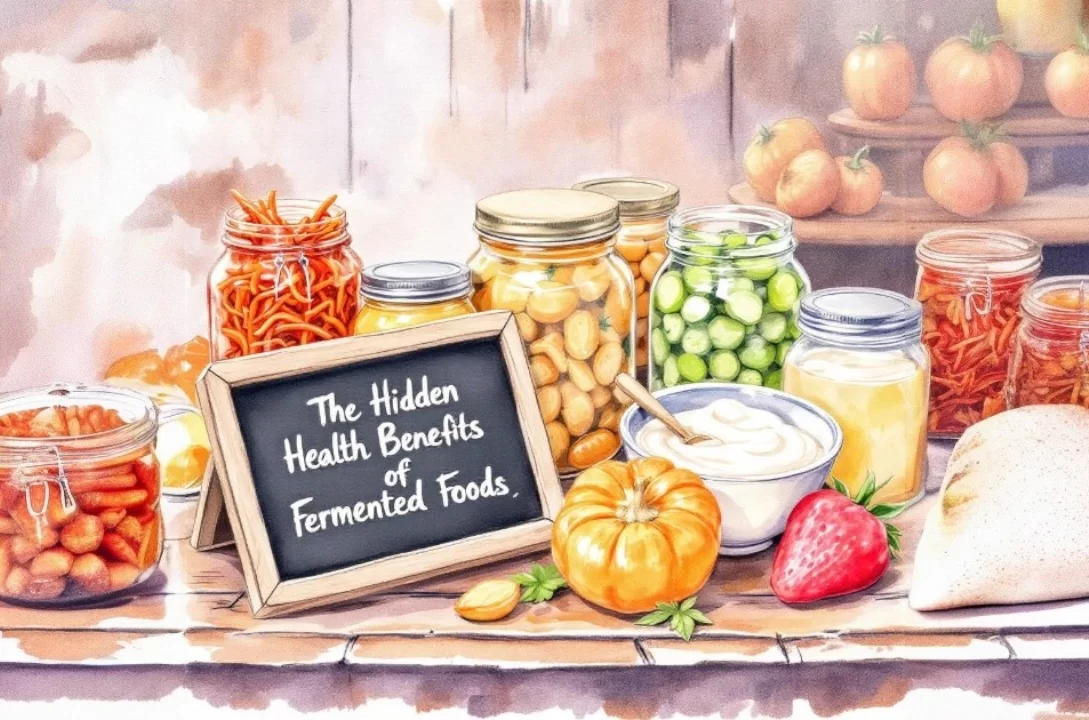
For centuries, fermented foods have been a staple in traditional diets worldwide—from Korean kimchi to German sauerkraut, Greek yogurt to Japanese miso. But these tangy, probiotic-rich foods aren’t just about flavor. Modern science confirms what ancient cultures knew: Fermented foods are powerhouses for gut health, immunity, and overall wellness.
If you’ve been overlooking fermented foods, you’re missing out on one of nature’s simplest yet most effective health boosters. In this article, we’ll uncover the hidden benefits of fermented foods, the best types to eat, and how they can transform your digestion, mood, and even your skin.
What Are Fermented Foods? (And How Do They Work?)
Fermentation is a natural process where microbes (like bacteria and yeast) break down sugars and starches in food, creating beneficial enzymes, probiotics, and nutrients.
How Fermentation Works:
- Lacto-fermentation (most common): Uses lactic acid bacteria (e.g., sauerkraut, yogurt).
- Yeast fermentation: Produces alcohol or carbonation (e.g., kombucha, sourdough).
- Mold fermentation: Used in cheeses and tempeh.
The result? A live, probiotic-rich food that supports gut health.
The Science-Backed Health Benefits of Fermented Foods
1. Supercharges Gut Health
Your gut microbiome influences digestion, immunity, and even mental health. Fermented foods:
- Restore good bacteria (especially after antibiotics).
- Reduce bloating and IBS symptoms.
- Improve nutrient absorption (like B vitamins and magnesium).
2. Boosts Immune Function
Nearly 70% of your immune system resides in your gut. Probiotics from fermented foods:
- Strengthen the gut barrier, preventing infections.
- Reduce inflammation linked to autoimmune conditions.
3. Enhances Mental Health (The Gut-Brain Connection)
Research shows gut bacteria affect mood via the vagus nerve. Fermented foods may:
- Lower anxiety and depression risk.
- Improve serotonin production (the “happy hormone”).
4. Supports Weight Management
A healthy gut microbiome helps regulate:
- Hunger hormones (leptin and ghrelin).
- Fat storage and metabolism.
5. Improves Skin Health
Gut imbalances often show up as acne, eczema, or rosacea. Probiotics can:
- Reduce skin inflammation.
- Promote a clearer complexion.
Top Fermented Foods to Add to Your Diet
1. Yogurt & Kefir
- Best for: Probiotics, calcium, and protein.
- Choose: Unsweetened, live-culture versions.
2. Sauerkraut & Kimchi
- Best for: Fiber, vitamin C, and gut-friendly bacteria.
- Tip: Buy refrigerated (pasteurized versions lose probiotics).
3. Kombucha
- Best for: Detox support and digestion.
- Watch: Sugar content—opt for low-sugar brands.
4. Miso & Tempeh
- Best for: Plant-based protein and umami flavor.
- Bonus: Miso soup aids digestion.
5. Pickles (Fermented, Not Vinegar-Based)
- Best for: Hydration and electrolytes.
- Avoid: Shelf-stable pickles (no live cultures).
How to Incorporate More Fermented Foods
- Start small (1-2 servings daily to avoid bloating).
- Mix into meals (e.g., yogurt with granola, kimchi in stir-fries).
- Try homemade fermentation (easy sauerkraut or kombucha recipes).
Potential Side Effects (And Who Should Be Cautious)
While most benefit, some may experience:
- Bloating or gas (start slowly).
- Histamine intolerance (fermented foods can trigger headaches in sensitive people).
- Sodium content (watch intake if hypertensive).
Avoid if: You have a compromised immune system (consult a doctor first).
FAQs
Are fermented foods better than probiotic supplements?
Yes! Whole fermented foods provide live cultures + nutrients that pills can’t match.
Can I eat fermented foods if I’m lactose intolerant?
Many (like kefir and aged cheese) are low in lactose—try small amounts first.
How long do fermented foods last?
Refrigerated, they keep for months (flavor intensifies over time).
Do fermented foods help with acid reflux?
Possibly—they balance stomach acid, but individual results vary.
Can kids eat fermented foods?
Yes! Introduce slowly (great for building immunity).
Conclusion
Fermented foods are nature’s ultimate gut healers—packed with probiotics, enzymes, and nutrients that modern diets often lack. Whether you’re looking to improve digestion, boost immunity, or enhance mental clarity, adding these foods can make a dramatic difference.
Your next steps:
✔ Pick 1-2 fermented foods to try this week.
✔ Gradually increase intake for maximum benefits.
✔ Notice changes in energy, digestion, and mood.
Your gut—and your whole body—will thank you.
Want to dive deeper? Check out:
Ready to ferment your way to better health? Let’s get cultured! 🥒🍶