As middle age sets in, declining energy levels sap vitality, making once-simple activities feel burdensome. Muscle mass diminishes—a condition known as sarcopenia—leading to mobility loss and heightened fall risks. Chronic diseases such as heart disease, type 2 diabetes, osteoporosis, and arthritis emerge as threats to independence and quality of life. Joint stiffness compounds the issue, while metabolic slowdowns contribute to weight gain and persistent fatigue.
These challenges signal the body’s natural shifts but need not define your future. Science-based healthy aging tips from the National Institutes of Health emphasize proactive measures to preserve function. The 2025 longevity and healthy aging roundup highlights industry focus on muscle health, bone density, and joint support through targeted nutrition.
Fortunately, evidence-backed strategies offer a clear path forward. Robust nutrition for longevity plays a pivotal role: nutrient-rich diets featuring fruits, vegetables, lean proteins, and omega-3s combat inflammation, support metabolic health, and bolster bone health for seniors. A Mediterranean-style pattern, rich in whole foods, links to better heart and cognitive outcomes.
Mobility demands attention too. Healthy aging tips recommend regular physical activity, including endurance, strength, balance, and flexibility exercises. Research on progressive resistance training shows gains in strength, balance, and fall prevention for older adults (PMC study).
This blog equips middle-aged planners and seniors with practical, science-supported tips for aging gracefully: optimized nutrition, effective mobility exercises, and longevity habits to thrive actively.
Nutrition Strategies for Longevity and Vitality
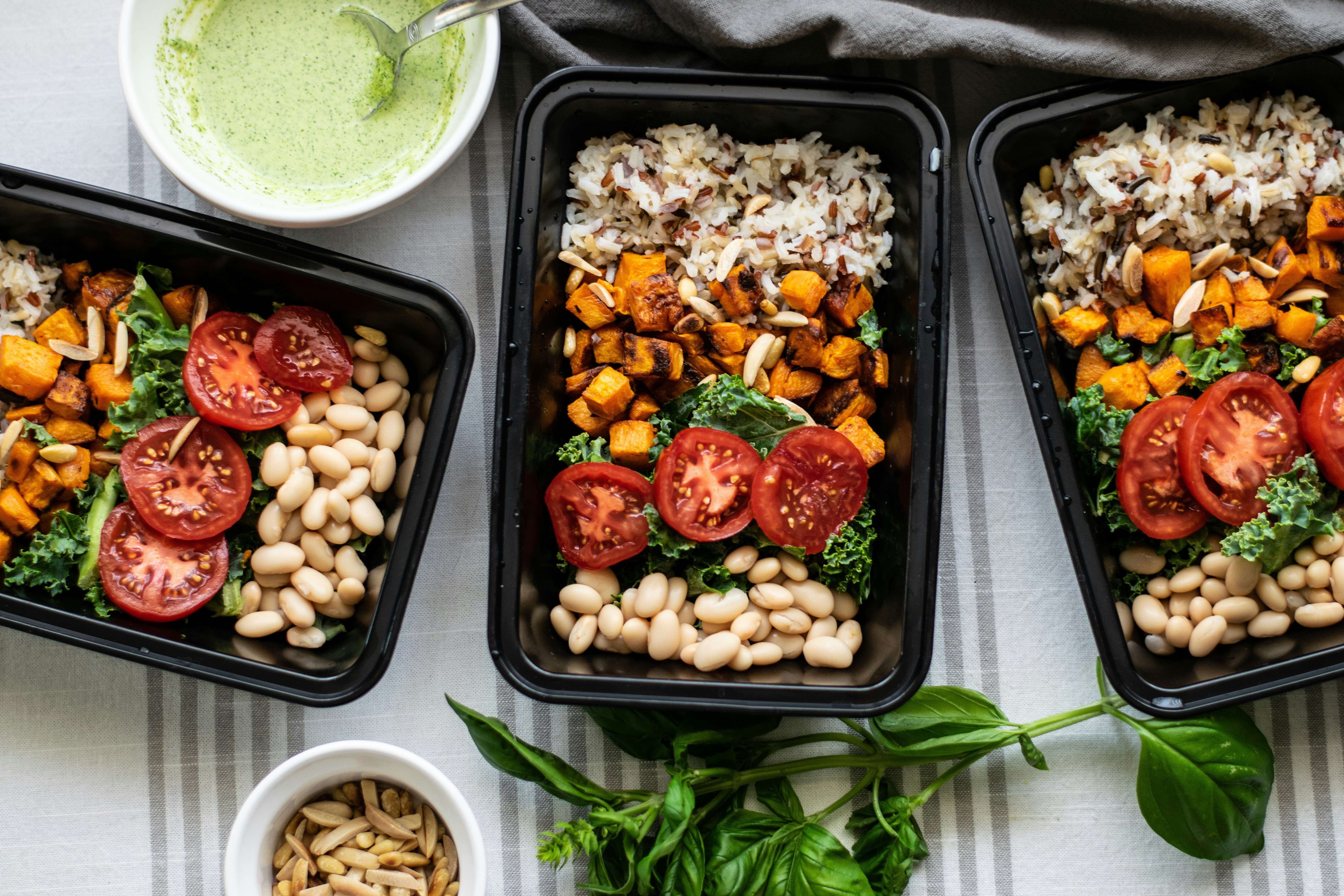
Healthy aging tips prioritize nutrient-rich foods to fuel longevity. The National Institutes of Health recommends prioritizing seafood, nuts, seeds, lean meats, and plenty of fruits and vegetables—at least five servings daily—to lower chronic disease risks and support brain health. Limiting added sugars and saturated fats prevents metabolic issues common in midlife.
A Mediterranean diet aging pattern excels here, emphasizing olive oil, fish, vegetables, and whole grains. Studies link it to improved heart function, cognitive preservation, and reduced inflammation, key nutrition for longevity.
Protein intake stands essential for muscle health for aging. Aim for 1.2–1.6 grams per kilogram of body weight daily, spread across meals. Sources like poultry, fish, eggs, legumes, and dairy maintain sarcopenia-fighting muscle mass. Plant-based options gain traction for bone health seniors and gut support.
Vitamin D, crucial for calcium absorption and joint support healthy aging, often requires sunlight or fortified foods/supplements—especially for indoor lifestyles. Omega-3 fatty acids from fatty fish or algae combat inflammation, safeguard brain cells, and enhance mobility.
- Eat a rainbow of produce for diverse antioxidants.
- Include fermented foods like yogurt for gut microbiome health, aiding nutrient uptake (NIA tips).
- Stay hydrated; water supports joint lubrication and metabolism.
- Monitor portions to manage calorie needs as activity shifts.
These tips for aging gracefully, drawn from science-based healthy aging research, deliver quick wins. Consistent application sustains vitality, fortifies bones, and promotes active independence.
Mobility Exercises and Habits for Active Aging
Healthy aging tips advocate 150 minutes weekly of moderate activity, blending endurance, strength, balance, and flexibility to combat sarcopenia and enhance independence. These mobility exercises for seniors preserve function, sharpen cognition, and prevent falls older adults.
Endurance exercises build stamina: brisk walk 30 minutes daily, swim, or cycle. Aim for elevated heart rate without exhaustion, boosting circulation and lung capacity per NIH guidelines.
Strength training counters muscle loss: 2–3 sessions weekly. Use bodyweight squats (10–15 reps, 2 sets): feet shoulder-width, lower as if sitting back into chair, rise. Resistance bands for rows target back. Progressive resistance training yields significant gains in power and stability.

Balance work thwarts falls: single-leg stands (hold 20–30 seconds/side, use chair support initially), tandem walk (heel-to-toe 10 steps). Tai chi integrates fluid motions for coordination.
Flexibility routines ease stiffness: seated hamstring stretch (extend leg, reach toe, hold 30 seconds/side), shoulder rolls. Yoga poses like cat-cow improve spinal mobility.
Incorporate daily habits: hourly standing marches, stair climbs, gardening. Track progress in journal.
Troubleshoot barriers: joint pain? Opt low-impact like water aerobics. Low motivation? Buddy up or use apps. Consult physicians pre-start, especially with conditions.
Consistent practice, paired with nutrition, delivers science-based healthy aging. These healthy aging tips ensure active, fall-free longevity.
Sources
- https://www.nutritionaloutlook.com/view/2025-longevity-and-healthy-aging-roundup
- https://www.seniortrade.com/post/longevity-experts-reveal-top-health-and-wellness-trends-that-will-define-2026
- https://blog.a4m.com/healthy-holistic-and-happening-now-a-look-at-longevity-trends-for-2026/
- https://magazine.medlineplus.gov/article/live-long-be-well-science-based-tips-for-healthy-aging
- https://www.lifeextension.com/wellness/aging/aging-gracefully
- https://www.nia.nih.gov/health/caregiving/healthy-aging-tips-older-adults-your-life
- https://pmc.ncbi.nlm.nih.gov/articles/PMC12180035/
- https://www.henryford.com/blog/2025/01/age-gracefully-healthy-habits
- https://www.healthinaging.org/tools-and-tips/tip-sheet-ten-top-tips-aging-well
- https://heartandhealth.com/how-to-improve-mobility-and-balance-as-you-age/