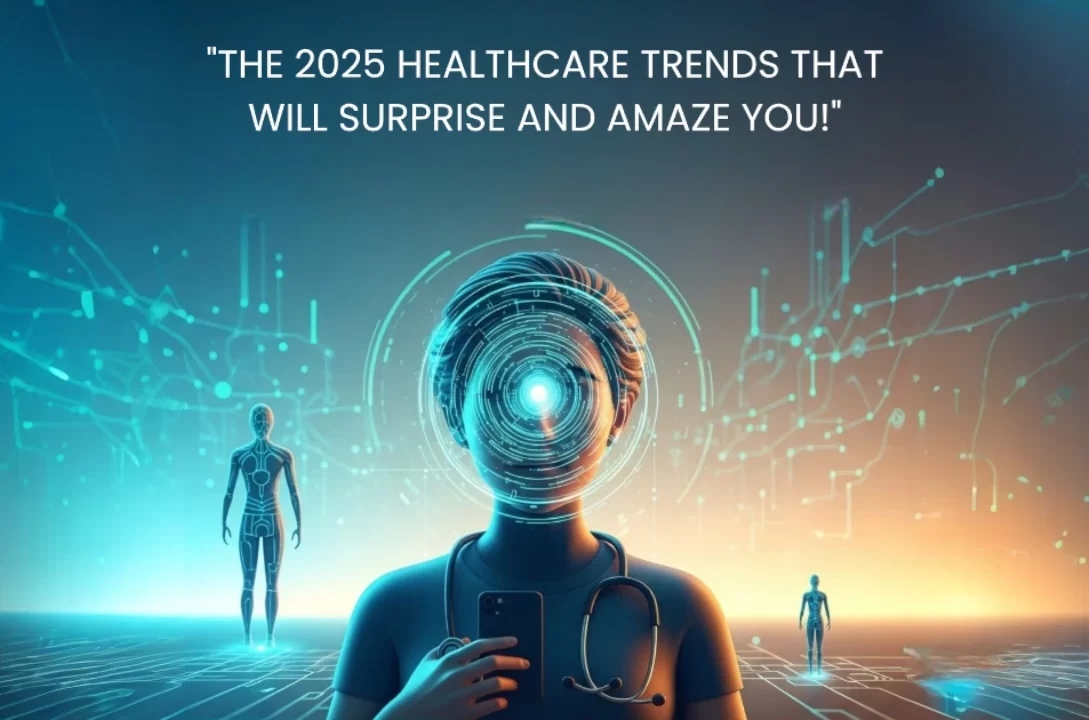
Healthcare in 2025 is not just evolving—it’s revolutionizing. What once seemed futuristic is now reality. From AI-powered diagnostics to genetic personalization and virtual-first care, the industry is entering a bold new era. These innovations are redefining how we prevent, diagnose, and treat diseases while empowering patients like never before.
If you want to stay ahead of the curve—whether you’re a healthcare professional, policymaker, or wellness enthusiast—this guide unveils the most surprising and transformative healthcare trends that are shaping 2025 and beyond.
The Rise of Personalized Medicine
Personalized medicine is transforming healthcare by tailoring treatment plans to an individual’s unique genetic makeup, lifestyle, and environment. Instead of a one-size-fits-all approach, precision medicine enables doctors to predict disease risks and select the most effective therapies for each person.
Advancements in genomic sequencing and biotechnology are making this approach more accessible. In 2025, genetic testing isn’t just for specialists—it’s becoming part of everyday preventive care. Imagine being able to know your body’s predispositions and proactively address them before symptoms even appear.
Example: Pharmaceutical companies now design personalized drug formulations, reducing side effects and improving success rates. Patients are no longer passive recipients—they are informed, empowered participants in their own care.
The Expansion of Virtual and Hybrid Healthcare
Telehealth is no longer a pandemic trend—it’s a permanent shift. In 2025, virtual healthcare has evolved into hybrid models that blend in-person visits with online consultations, AI diagnostics, and remote monitoring.
Patients can book appointments, receive prescriptions, and even undergo follow-ups—all from home. This transformation increases accessibility, particularly for rural or underserved areas.
Key advantages include:
- Reduced wait times and travel costs
- Better chronic disease management through continuous monitoring
- Improved doctor-patient communication via secure digital platforms
This trend not only improves convenience but also enhances care continuity, helping doctors detect problems early and intervene quickly.
Artificial Intelligence: The Doctor’s Smartest Assistant
AI is no longer just assisting—it’s accelerating healthcare breakthroughs. In 2025, AI algorithms analyze medical data with unprecedented precision, spotting anomalies that even experienced specialists might miss.
Hospitals use AI-driven tools for:
- Predictive diagnostics that detect diseases early
- Radiology automation to interpret scans instantly
- Administrative efficiency, reducing paperwork and errors
Moreover, AI chatbots and virtual assistants provide 24/7 patient support, answer medical questions, and triage care needs. These systems don’t replace doctors—they empower them to make faster, data-driven decisions.
By combining human empathy with machine intelligence, healthcare becomes both smarter and more compassionate.
Wearable Tech and the Rise of Continuous Health Tracking
Fitness trackers have evolved into medical-grade wearables capable of monitoring blood pressure, glucose, heart rhythm, and even oxygen levels in real-time.
In 2025, wearable technology goes beyond fitness—it’s about preventive medicine. These devices detect early warning signs and send data directly to healthcare providers. For instance, a smartwatch can alert your doctor to an irregular heartbeat before a stroke occurs.
Top innovations include:
- Continuous glucose monitors (CGMs) for diabetes management
- Smart rings that track sleep and recovery metrics
- Biosensors that monitor hydration and stress levels
The future of healthcare lies in proactive prevention, not reactive treatment—and wearables are leading that shift.
Mental Health Tech Becomes Mainstream
Mental wellness has finally taken center stage. In 2025, digital mental health platforms and therapeutic apps have made therapy more accessible than ever.
AI-powered platforms analyze mood patterns and suggest coping mechanisms, while VR-based therapy allows patients to confront anxiety and PTSD in immersive environments.
Employers and schools now integrate mental wellness programs into daily routines, recognizing the deep link between mental health and productivity.
Why it matters:
- Reduced stigma around seeking help
- More personalized treatment plans
- Broader access to licensed professionals remotely
Mental health care is no longer an afterthought—it’s an essential part of overall health.
The Integration of Blockchain in Health Data Security
With the rise of digital health comes the challenge of data privacy. Blockchain technology is stepping up as a secure and transparent solution.
In 2025, hospitals and clinics use blockchain systems to store and share patient records safely across networks without compromising confidentiality. Patients have more control over who accesses their data, fostering trust between providers and users.
Benefits of blockchain in healthcare:
- Enhanced patient data security
- Reduced medical fraud and errors
- Streamlined data sharing between healthcare entities
This innovation ensures that technology-driven healthcare remains safe, ethical, and trustworthy.
The Evolution of Preventive and Lifestyle Medicine
Healthcare is shifting from treating illness to preventing disease. Doctors now focus on lifestyle medicine—nutrition, sleep, exercise, and stress management—to build long-term resilience.
Digital health tools allow for continuous tracking of lifestyle habits, helping individuals identify harmful patterns and adopt sustainable routines.
Emerging practices in 2025:
- Personalized nutrition plans based on gut microbiome analysis
- Stress-reducing programs incorporating meditation and breathwork
- Fitness prescriptions tailored to body type and genetic profile
By combining science and behavior change, preventive care is becoming the foundation of global health systems.
Robotic Surgery and Automation in Hospitals
The future of surgery is precise, efficient, and minimally invasive. In 2025, robotic surgical systems assist doctors in performing complex procedures with greater accuracy and smaller incisions.
These robots reduce human error, minimize recovery time, and improve patient outcomes. Automation also extends beyond surgery—robots now assist in medication dispensing, sterilization, and logistics, allowing staff to focus more on patient care.
Advantages include:
- Shorter hospital stays
- Fewer complications
- Enhanced precision in high-risk procedures
This blend of robotics and medicine symbolizes the harmony between technology and human expertise.
Global Collaboration and Health Equity
Healthcare innovation is no longer limited by borders. In 2025, global collaboration among governments, researchers, and tech companies accelerates progress.
New initiatives promote health equity, ensuring that rural and low-income populations benefit from medical advances. Programs driven by the World Health Organization (WHO) and NGOs focus on accessible vaccines, telemedicine infrastructure, and community-based care.
The result: A more inclusive healthcare ecosystem where every individual—regardless of income or geography—has the chance to thrive.
The Future Is Preventive, Personalized, and Digital
The healthcare revolution of 2025 is defined by one principle: empowerment. Technology, data, and innovation are giving individuals more control over their health than ever before.
From personalized treatment to smart wearables and mental health tech, these trends promise a future where healthcare is smarter, faster, and more humane.
If you want to stay ahead in this changing landscape, now is the time to embrace these innovations—whether you’re a patient, provider, or policymaker. The next generation of healthcare isn’t coming—it’s already here.
Frequently Asked Questions
How is technology changing healthcare in 2025?
Technology is making healthcare more personalized, accessible, and data-driven through AI, wearables, and telemedicine innovations.
What is the biggest healthcare trend for 2025?
Personalized medicine and AI integration are leading trends, enabling early detection and tailored treatment.
Will telehealth continue to grow in 2025?
Yes, telehealth has become a permanent part of healthcare, supported by hybrid models that blend virtual and in-person care.
Why is preventive medicine gaining importance?
Preventive medicine reduces long-term healthcare costs and improves quality of life by addressing health issues before they develop.
How does blockchain improve healthcare security?
Blockchain technology ensures secure, transparent, and patient-controlled medical data management, reducing risks of data breaches.
Internal Links:
- Read: The Startling Healthcare Trends Reshaping How We Think About Health
- Explore: How Technology Is Revolutionizing Modern Medicine
External Links: