Many people in their 40s, 50s, and beyond worry about the gradual loss of strength, memory, and independence that often comes with getting older. These concerns are common, but they do not have to define your future. Science-backed approaches to healthy aging provide clear paths to maintain vitality and function longer.
Recent reports highlight that focusing on healthspan rather than just lifespan helps individuals stay active and sharp. Nutritional strategies support muscle maintenance through protein-rich diets and key nutrients for bone density. Cognitive health benefits from omega-3s and antioxidant-rich foods, according to experts.
Mobility remains essential for independence. Stanford research shows that consistent movement habits like walking, strength training, and balance exercises preserve physical function into the 60s and 70s. Physicians recommend integrating these into daily life for better outcomes.
Innovative trends for 2026 include personalized preventive nutrition and mobility innovations that use technology to track and improve progress. Surveys reveal growing consumer interest in these healthy aging habits for extending quality years.
Centenarian studies underscore resilience factors like social connections and regular activity. Multiomics data confirms that lifestyle choices significantly influence aging trajectories.
By adopting these evidence-based steps, you shift from worry to action. Whether through better nutrition for healthy aging or targeted routines, results build over time. Longevity tips from physicians emphasize consistency and personalization for maximum impact. Embrace science backed longevity to achieve healthspan extension and enjoy aging gracefully and actively with greater confidence.
Nutrition Strategies That Protect Muscle, Bone, and Brain Health
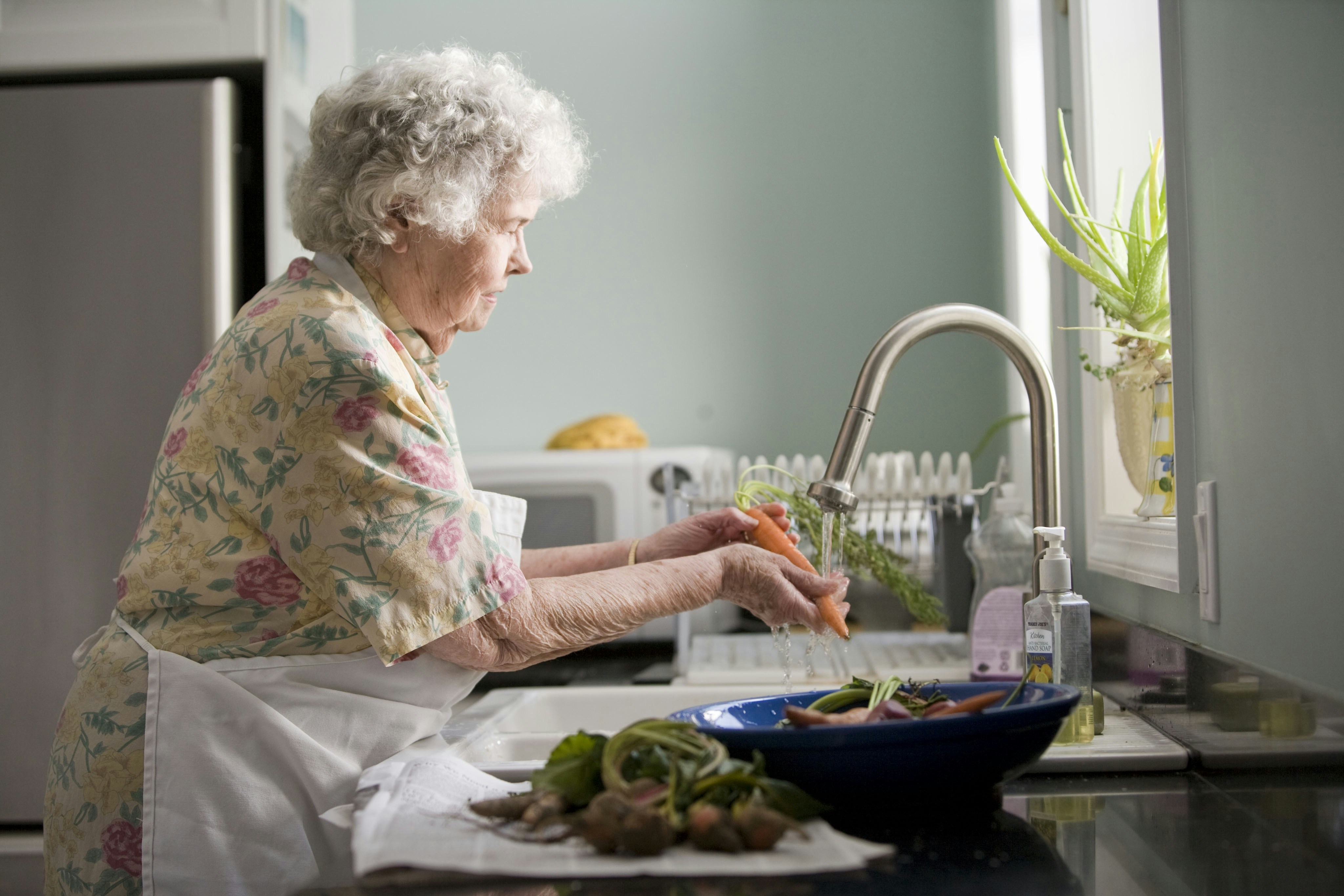
Protein plays a central role in preserving muscle mass as part of healthy aging. Consuming 1.2 to 1.6 grams per kilogram of body weight daily from eggs fish legumes and lean meats helps counteract natural decline. Recent findings indicate this intake level supports physical function well into later decades.
For bone strength focus on calcium rich dairy leafy vegetables and vitamin D from sunlight or fatty fish. Magnesium from nuts and seeds aids in density maintenance reducing fracture risks.
Brain health relies on regular intake of omega 3 fatty acids from salmon and walnuts plus flavonoids in berries. These nutrients protect neurons and support memory according to longevity research nature study.
Adopting preventive nutrition 2026 means using biomarker testing to customize meals and supplements. This precision boosts outcomes and aligns with healthspan extension goals.
Such dietary patterns foster healthy aging by addressing multiple systems simultaneously. Stay consistent with balanced plates full of variety and adequate fluids to optimize results for aging gracefully and actively. Incorporating these tactics leads to sustained independence and vitality based on current evidence. Experts recommend combining these foods with overall calorie balance to avoid excess weight. Surveys show increasing adoption of these healthy aging habits among middle aged adults seeking better long term health. Personal physician practices often include daily vegetable intake and limited processed foods for optimal effects. Include B vitamins through fortified cereals and greens to support nerve health and energy metabolism. Readers also track progress for best healthy aging outcomes.
Mobility Habits and Future Trends to Stay Independent Longer
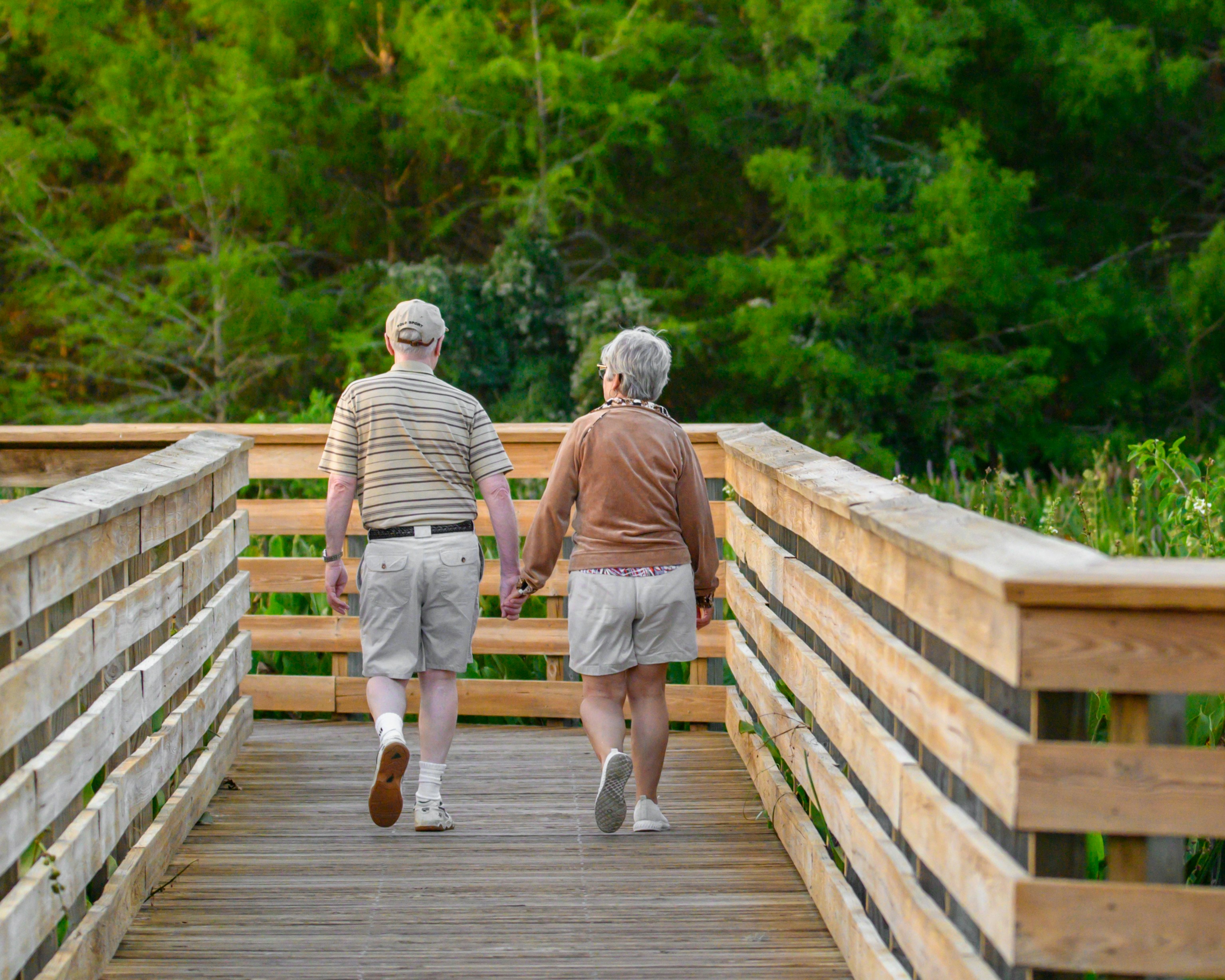
Mobility remains crucial for healthy aging as it directly influences independence and quality of life. Effective routines begin with aerobic activity like walking or swimming for cardiovascular endurance. Strength sessions using squats lunges and push ups twice weekly build and maintain muscle. Incorporate balance work such as standing on one foot to prevent falls. Flexibility exercises through yoga or stretching keep joints supple.
Innovative 2025 and 2026 trends feature AI powered apps that customize mobility exercises for seniors based on real time data. Wearable sensors detect changes in gait and suggest adjustments. Emerging exoskeleton technology assists those with reduced mobility allowing continued activity.
Avoid mistakes like sudden intensity increases that cause injury or skipping warm ups which stiffen muscles. Overlooking proper form during exercises reduces effectiveness and raises strain risk. Neglecting consistency in routines diminishes long term gains.
Integrating these mobility habits into daily life promotes resilience as shown in studies of long lived individuals. Trends point to personalized programs using technology for better adherence. Community classes offer social benefits that enhance motivation. Track your activity with simple apps to stay accountable. Focus on posture to avoid compensatory patterns that lead to pain. These practices backed by research contribute to science backed longevity and healthspan extension. Pairing movement with preventive nutrition 2026 further supports aging gracefully and actively while applying proven longevity tips. Regular assessment helps sustain progress and adapt as needed for optimal outcomes.
Sources
- https://www.nutritionaloutlook.com/view/2025-longevity-and-healthy-aging-roundup
- https://distance.physiology.med.ufl.edu/about/articles/8-innovative-aging-trends-to-watch-in-2026
- https://med.stanford.edu/news/insights/2026/01/healthy-habits-for-successful-aging-60s-and-70s.html
- https://honehealth.com/edge/longevity-trends
- https://www.wellabe.com/news/top-health-trends-for-seniors
- https://topdoctormagazine.com/doctor/longevity-health-tips-from-physicians-2026
- https://supplysidesj.com/healthy-living/healthspan-versus-lifespan-the-new-longevity-spotlight
- https://healthyaging.net/healthy-aging-month/10-tips-september-is-healthy-aging-month-2026
- https://www.nature.com/articles/s41514-026-00339-z
- https://nutraceuticalbusinessreview.com/prolongevity-takes-the-lead-how-2026-will-redefine