Bodyweight exercises form the foundation of effective at home workouts without needing any equipment. These routines scale from beginners to advanced users, delivering quick strength gains and improved fitness. Start with the beginner circuit to build confidence and proper movement patterns.
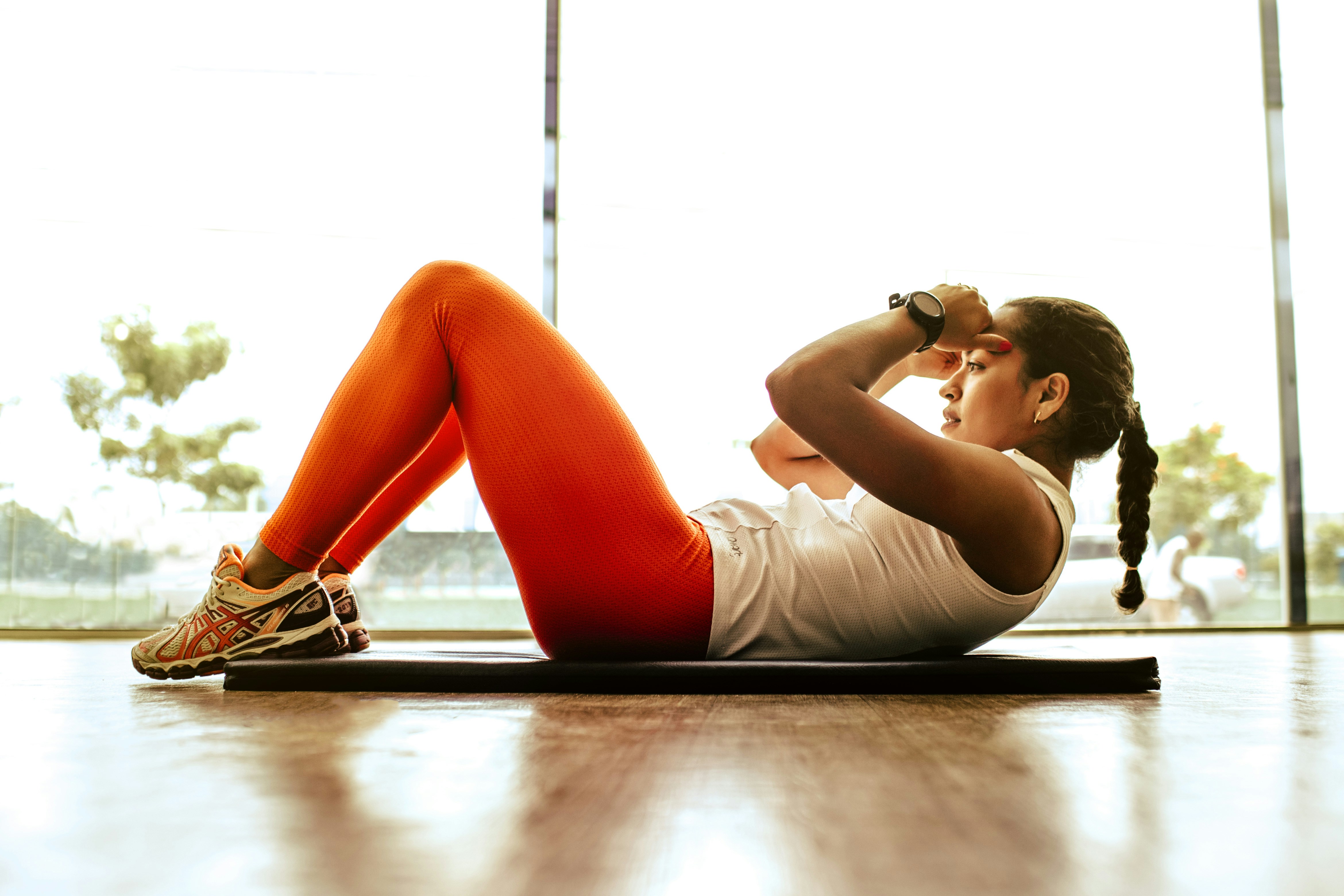
For beginners, complete two sets of 10 to 15 reps for each move with 30 seconds rest. Include the bridge to activate the core and glutes. Follow with chair squats to strengthen the legs. Knee pushups build upper body power while stationary lunges target the lower body. Finish with forearm planks for stability. These no equipment workouts improve overall function quickly.
Intermediate athletes can progress to full squats, standard pushups, and walking lunges. Add pike pushups for shoulder work and superman holds for the back. Perform two sets of 10 to 15 reps or time each exercise for one minute. This level enhances balance and endurance.
Advanced users challenge themselves with single leg bridges, overhead squats, jumping lunges, and one legged pushups. Elevated pike pushups and hollow holds further increase difficulty. Focus on controlled form to avoid injury.
These home workout routines incorporate biomechanics principles for joint safety and long term progress. Consistent practice supports realistic fitness goals 2026 by building sustainable habits. Track your sessions to see measurable improvements in strength and mobility.
Biomechanics in Strength Training Plus Realistic Fitness Goals for Long-Term Success
Proper form during at home workouts prevents injury and maximizes results. Focus on joint alignment and controlled movements to respect natural mechanics. Mayo Clinic stresses bracing the core and maintaining neutral spine positions throughout each rep.
Injury prevention starts with listening to your body. Warm up thoroughly and progress loads gradually. Avoid rushing into advanced variations until basics feel solid. This approach supports longevity and keeps training consistent.
Set realistic fitness goals 2026 by breaking them into process-oriented steps rather than distant outcomes. Track weekly consistency, movement quality, and recovery markers. Community support and mentorship help maintain motivation when progress slows.
Troubleshoot plateaus by reviewing technique and adjusting volume. If joints ache, reduce range or add rest days. These adjustments keep at home workouts sustainable for years.
Short-term milestones like mastering ten perfect pushups build confidence while long-term targets such as improved endurance foster lasting change. Consistent application of biomechanics in strength training plus clear goals delivers measurable health gains.