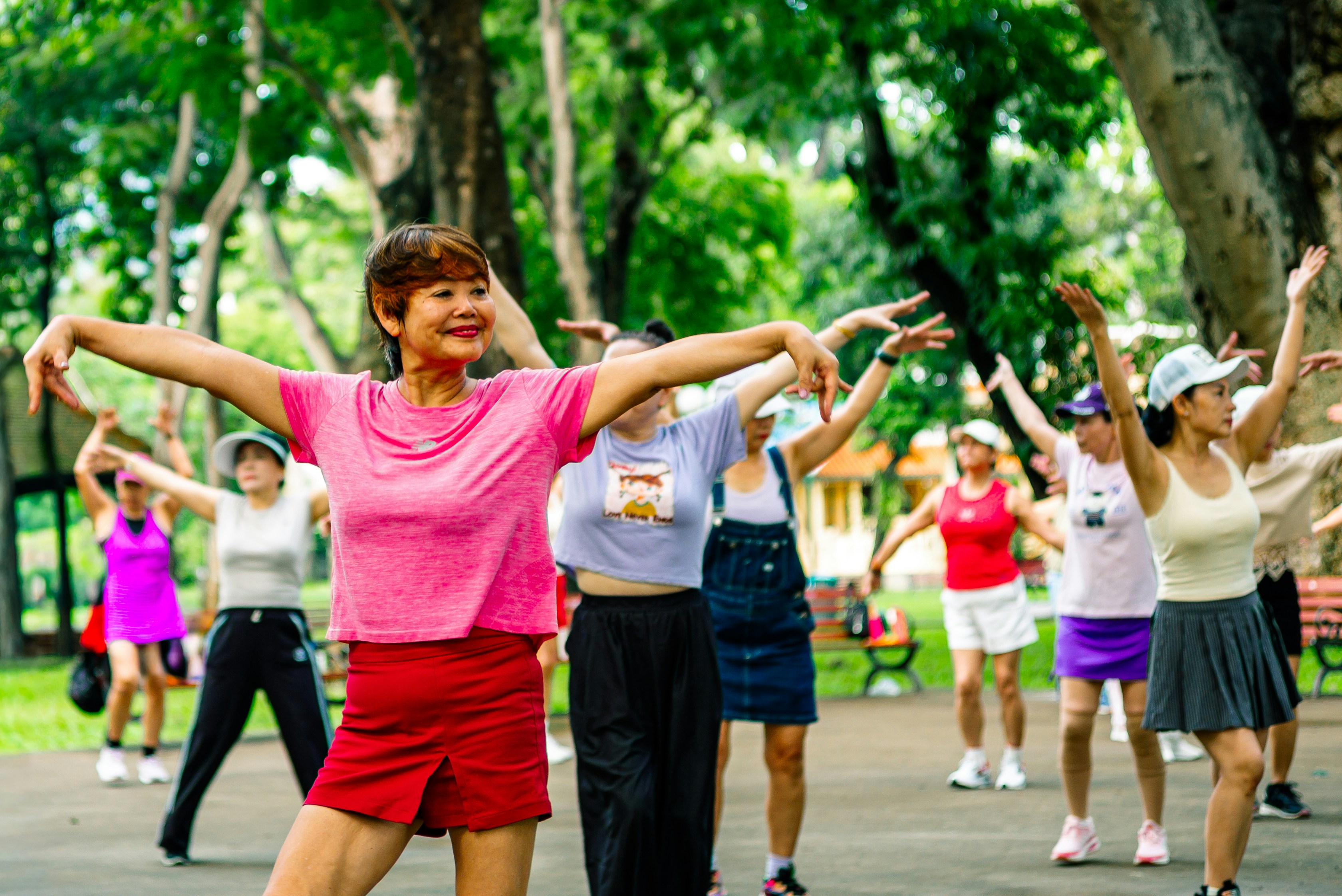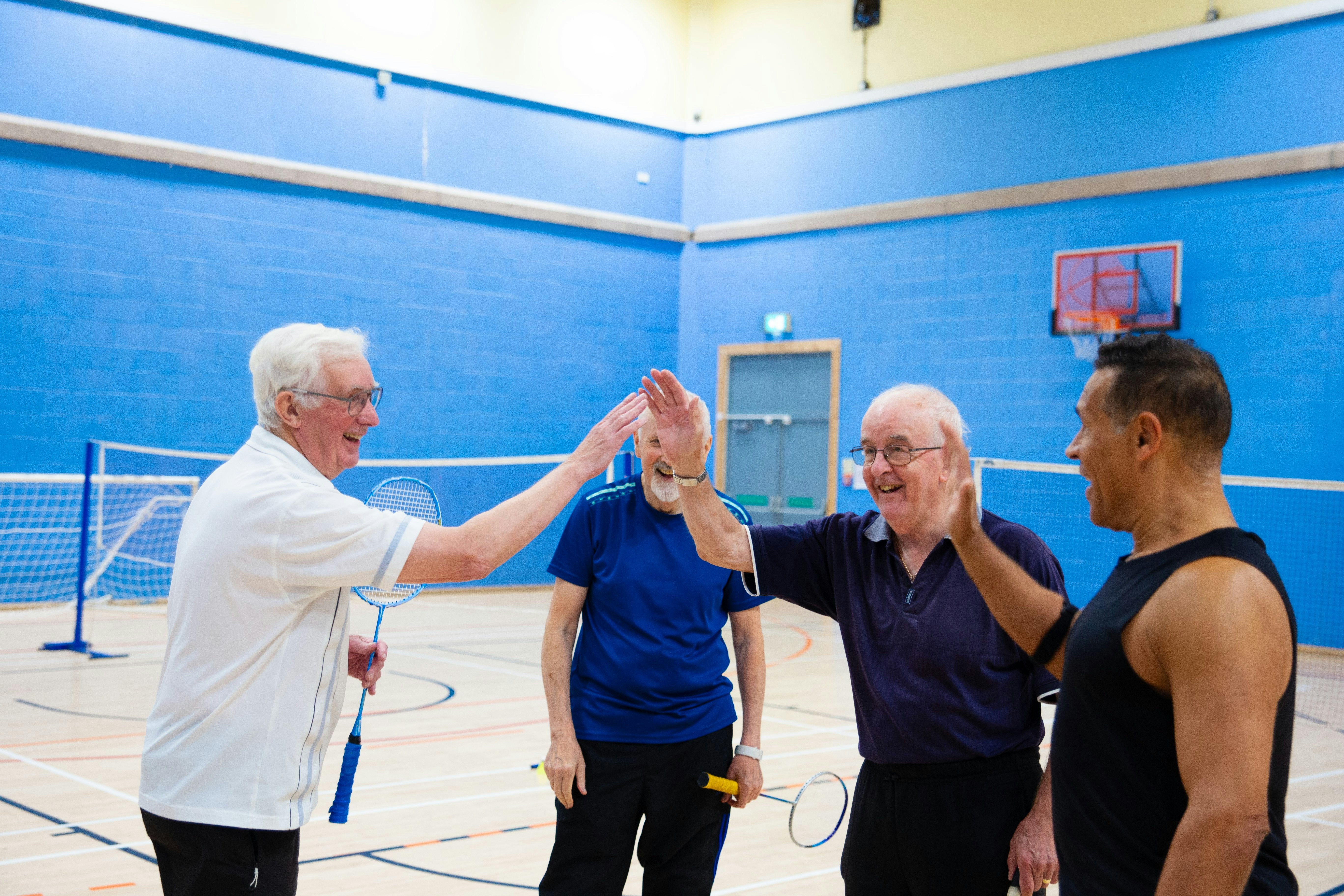
For middle-aged planners and health-conscious seniors, the prospect of frailty, cognitive fog, and eroded independence looms large. Yet, science-backed healthy aging tips reveal it’s never too late to rewrite your future. Starting now builds resilience against decline, fostering vitality into your 80s and beyond.
Stanford Medicine experts affirm that choices in your 40s and 50s—or even 60s and 70s—profoundly shape longevity habits. Even previously inactive individuals gain fitness and well-being from accessible changes like daily movement and nutrition tweaks, as shown in studies on physical activity benefits across lifespans healthy habits for 40s/50s healthy habits for 60s/70s.
A 2025 Harvard study links midlife plant-based diets low in ultra-processed foods to reaching 70 free of chronic diseases, underscoring nutrition for healthy aging Harvard study. NIH reviews confirm nutrient-rich eating prevents sarcopenia, osteoporosis, and cognitive decline when adopted early NIH review.
These healthy aging tips extend to mobility exercises for seniors, like strength training and balance work, preserving function and slashing fall risks. Centenarians prioritize exercise and social ties for healthy longevity NPR centenarians.
Embrace science-backed aging advice now: nutrient-dense foods, consistent movement, stress management, and connections. This roadmap empowers aging gracefully, defying decline with actionable longevity habits tailored for you.
Nutrition for Longevity: Science-Backed Diets to Fuel Vitality
Nutrition forms the foundation of healthy aging tips, countering metabolic decline and preventing sarcopenia as we age. Stanford Medicine advises older adults aim for 1.0 to 1.3 grams of protein per kilogram of body weight daily—roughly 68 to 88 grams for a 150-pound person—to maintain muscle mass and strength Stanford 60s/70s.
Distribute protein across meals: a 3- to 4-ounce chicken breast, cup of Greek yogurt, three eggs, canned tuna, or 5 ounces of tofu each provide 20 to 30 grams. This approach supports independence and vitality.
Complement with a Mediterranean diet, consistently top-ranked for overall health and longevity. Rich in anti-inflammatory whole foods like vegetables, fruits, whole grains, legumes, nuts, olive oil, and fatty fish, it slashes risks of heart disease, diabetes, and cognitive decline Stanford 40s/50s.
A 2025 Harvard study links midlife plant-based eating low in ultra-processed foods to reaching age 70 free of major chronic diseases, highlighting nutrition for healthy aging Harvard study.
NIH reviews affirm nutrient-dense diets prevent sarcopenia, osteoporosis, and cognitive issues when started early NIH review. Ditch ultra-processed items loaded with salt, sugar, and saturated fats; embrace plant-forward whole foods as NIA recommends NIA tips.
These science-backed strategies, key longevity habits, fuel metabolic health and pair seamlessly with mobility work for aging gracefully.
Mobility and Strength Training: Stay Active and Independent
Strength training for older adults anchors healthy aging tips, combating sarcopenia and preserving independence. Stanford experts note that even brief inactivity weakens muscles, but regular routines reverse this. U.S. guidelines recommend 150 minutes weekly of moderate aerobic activity like brisk walking, plus muscle-strengthening twice weekly Stanford 60s/70s.
Start simple: perform sit-to-stand from a chair 10-15 times, reducing hand support over time. Chair squats, wall push-ups, or resistance bands build power for daily tasks like rising unassisted or carrying groceries. Lift lighter weights to fatigue for gains without intimidation Stanford 40s/50s.
Incorporate daily walking for longevity: aim for 7,000 steps, ideally in 10-minute bouts, lowering mortality and heart risks. Break into short walks if needed.
Balance training for seniors prevents falls, a top independence threat. Practice single-leg stands holding a counter for 10-20 seconds per leg, 5-10 reps. Try corner stands with eyes closed for multi-directional support. Pair with tooth-brushing for habit Stanford 60s/70s.
Dedicate five minutes daily to mobility exercises for seniors: move in three planes—squats (sagittal), lateral lunges (frontal), torso twists (transverse). Use habit stacking, like air squats when rising from chairs. Diaphragmatic breathing enhances posture and reduces tension CNN mobility.
These science-backed aging advice practices, core longevity habits and healthy habits 60s 70s, build muscle, stability, and function. Centenarians credit consistent exercise for vitality NPR centenarians. Integrate now for aging gracefully.
Sources
- https://med.stanford.edu/news/insights/2026/01/healthy-habits-for-successful-aging-60s-and-70s.html
- https://med.stanford.edu/news/insights/2026/01/healthy-habits-longevity-40s-and-50s.html
- https://www.sciencedaily.com/releases/2025/03/250324141952.htm
- https://mcpress.mayoclinic.org/healthy-aging/diet-for-longevity-eating-well-to-age-well/
- https://pmc.ncbi.nlm.nih.gov/articles/PMC8994693/
- https://www.nia.nih.gov/health/healthy-aging/tips-boost-your-health-you-age
- https://pmc.ncbi.nlm.nih.gov/articles/PMC10794975/
- https://www.cnn.com/2025/04/03/health/maintain-mobility-older-age-wellness
- https://beyondmd.com/blog/best-exercises-for-longevity-according-to-science/
- https://www.npr.org/2025/12/01/nx-s1-5618203/centenarian-aging-health