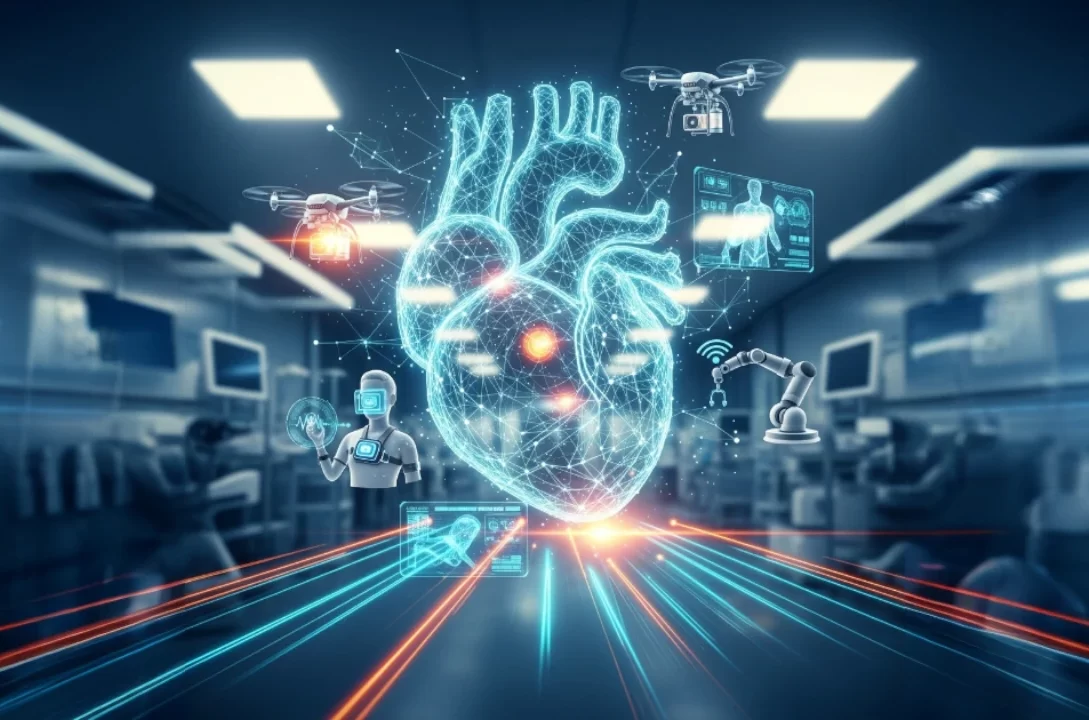
The global healthcare landscape is undergoing a revolution. Once, innovation meant new drugs or hospital equipment—but today, it’s about intelligent systems, predictive medicine, and personalized care.
From AI-powered diagnostics to robot-assisted surgeries and digital therapeutics, we’re witnessing the merging of technology and biology like never before. And those who understand these innovations early—patients, practitioners, and investors alike—will shape the future of wellness and longevity.
The Digital Transformation of Medicine
Technology is no longer a tool in healthcare—it’s the foundation.
The convergence of big data, cloud computing, and wearable tech has created a new model: precision medicine, where treatments are tailored to individual biology and lifestyle.
Let’s explore the innovations transforming healthcare in 2025 and beyond.
AI in Healthcare: Smarter, Faster, Life-Saving Decisions
Artificial intelligence is redefining every corner of medicine. Algorithms can now detect diseases years earlier than human doctors.
Key breakthroughs include:
- 🧠 AI Diagnostics: Systems like Google’s DeepMind detect diabetic retinopathy and lung cancer with near-perfect accuracy.
- 🩺 Predictive Analytics: AI analyzes patient data to anticipate health crises like heart attacks before they occur.
- 💬 Virtual Assistants: Chatbots help triage symptoms, schedule appointments, and even provide mental health support.
AI isn’t replacing doctors—it’s amplifying their abilities, helping them make faster, more accurate, data-driven decisions.
Wearable Tech: Your Health in Real Time
Wearable technology is moving far beyond step counters.
Modern devices can now monitor heart rhythm, oxygen saturation, sleep cycles, stress levels, and glucose levels continuously.
Examples include:
- Apple Watch ECG & Blood Oxygen Sensors – Detect early heart irregularities.
- Continuous Glucose Monitors (CGMs) – Help diabetics manage blood sugar seamlessly.
- WHOOP Bands & Oura Rings – Track recovery, stress, and overall wellness metrics.
These tools give users and doctors real-time health data, enabling early intervention and better outcomes.
Telemedicine and Remote Care: Healthcare Without Borders
Telemedicine has permanently changed how we access healthcare. Post-pandemic, it’s become a core healthcare service, offering consultations, follow-ups, and even therapy sessions from the comfort of home.
Benefits include:
✅ Accessibility for rural and elderly populations
✅ Reduced wait times and hospital visits
✅ Continuous monitoring for chronic conditions
Remote patient monitoring (RPM) now allows doctors to track blood pressure, oxygen, and heart rate remotely—making care proactive rather than reactive.
Nanomedicine: Tiny Tech, Massive Impact
Nanotechnology is transforming medicine on a cellular level.
Microscopic particles are being used to deliver drugs directly to diseased cells, reducing side effects and improving outcomes.
Real-world breakthroughs:
- Nano-robots target cancer cells precisely, minimizing chemotherapy’s damage to healthy tissue.
- Nano-sensors detect infections or biomarkers in the bloodstream instantly.
- Smart drug delivery systems release medication only when needed, improving efficiency.
The age of “smart medicine” is here—and it’s microscopic.
Genomics and Personalized Medicine: Your DNA as a Health Map
The completion of the Human Genome Project unlocked a new dimension of healthcare: personalized medicine.
Genomic testing can now identify your risk for diseases like cancer, Alzheimer’s, or diabetes—and guide preventive strategies.
Applications include:
- Customizing drug prescriptions based on genetic compatibility.
- Tailoring diet and exercise for genetic predispositions.
- Detecting hereditary conditions early, allowing proactive care.
As testing becomes more affordable, genetic insights will soon become as common as a blood test.
Regenerative Medicine: Healing the Unhealable
Regenerative medicine is rewriting what’s possible. Scientists are using stem cells, tissue engineering, and 3D bioprinting to heal damaged organs and regenerate body parts.
Recent breakthroughs include:
- 3D-printed organs for transplants and testing.
- Stem cell therapy to repair heart tissue after heart attacks.
- Regrown cartilage to treat joint injuries naturally.
This innovation gives hope to millions suffering from chronic injuries and degenerative diseases.
Mental Health Tech: A New Frontier in Well-being
Mental health care has gone digital. From AI-powered therapy chatbots to wearable stress detectors, technology is making emotional well-being more accessible.
Apps like Headspace and Calm are integrating biofeedback and AI insights to help users track mood, sleep, and anxiety patterns.
Even social media monitoring tools are now predicting mental health crises before they escalate—a game changer for suicide prevention.
Blockchain in Healthcare: Trust, Privacy, and Security
Data security is critical in modern healthcare. Enter blockchain technology, which ensures patient data is encrypted, tamper-proof, and accessible only to authorized users.
Hospitals are now using blockchain to:
- Track pharmaceuticals and prevent counterfeits
- Share medical data securely across institutions
- Ensure patient identity protection in digital systems
This builds a future of trust and transparency in healthcare data management.
Sustainability in Healthcare: Green Hospitals and Eco-Tech
As climate concerns grow, healthcare systems are embracing sustainable innovations—from solar-powered hospitals to biodegradable medical supplies.
Future-ready facilities are focusing on:
🌱 Energy-efficient equipment
🌱 Waste reduction through smart inventory systems
🌱 Eco-friendly packaging for pharmaceuticals
A healthy planet equals healthier people.
Top 5 Game-Changing Healthcare Innovations to Watch Right Now
- AI-Driven Predictive Care – Detect diseases before symptoms appear.
- Personalized Genomic Medicine – Treatments based on your DNA.
- Smart Wearables – Constantly monitor and optimize health.
- Regenerative Therapies – Heal organs and tissues naturally.
- Telehealth Ecosystems – Global access to real-time care.
FAQs About Modern Healthcare Innovations
Q1: Which healthcare innovation will have the biggest impact in the next 5 years?
AI and personalized medicine will lead the way, revolutionizing diagnostics and treatments.
Q2: Is AI replacing doctors?
No—AI enhances doctors’ capabilities, helping them make faster and more accurate decisions.
Q3: Are these technologies available to the public yet?
Many, like wearables and telemedicine, already are. Others, like nanotech and regenerative medicine, are in advanced trial stages.
Q4: How will these innovations affect healthcare costs?
Initially, costs may rise with implementation—but in the long run, early detection and prevention will drastically reduce overall expenses.
Q5: Can individuals prepare for these changes?
Yes—stay informed, adopt digital health tools, and consider genetic or wearable tracking for proactive wellness.
Conclusion: The Future of Health Is Now
The healthcare revolution is no longer a vision—it’s reality.
Those who embrace these innovations today will be the healthiest, longest-living generation in human history.
From AI diagnostics to DNA-guided medicine, we’re moving toward a future where disease is predictable, treatment is personalized, and prevention is the new cure.
The question isn’t whether healthcare is changing—it’s whether you’re ready for it. ⚡
Internal Link Suggestions:
- Read next: “10 Fitness Tech Innovations You Didn’t Know Existed – And How They Work!”
- Explore: “The Role of Ayurveda in Achieving Balanced Holistic Wellness”
External Authoritative Sources:
- World Health Organization (WHO): Innovation in Health Technologies
- Harvard Health: AI and the Future of Medicine