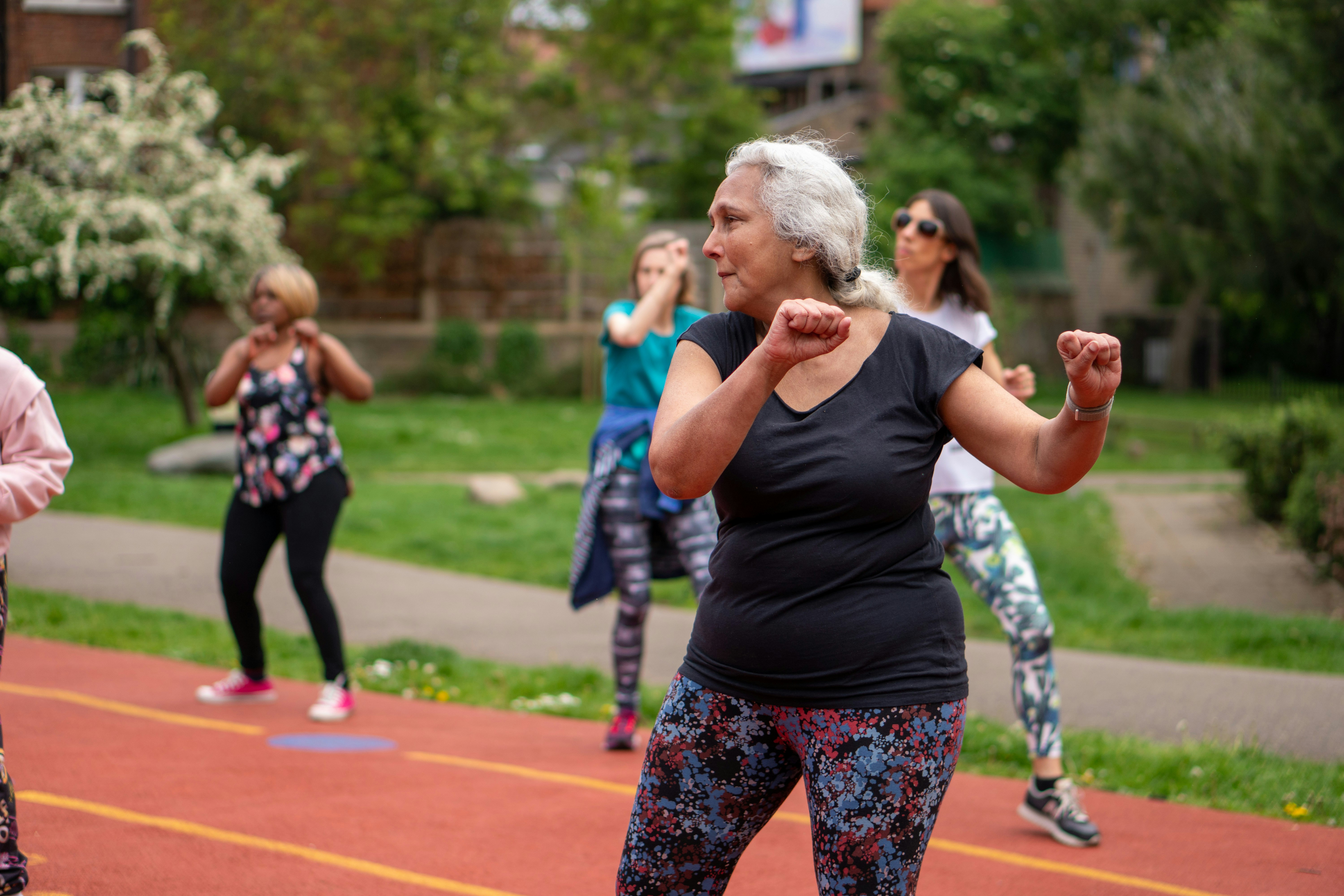
Many people over 50 worry about losing the ability to live on their own terms as muscles weaken and balance declines. Simple tasks like climbing stairs or carrying groceries grow difficult, raising real concerns about future independence. Research confirms this does not have to happen.
The proven path relies on consistent healthy aging habits that protect mobility and mental sharpness into the 70s and 80s. Stanford Medicine experts highlight that adopting key behaviors in the 60s and 70s preserves strength and daily function for decades longer. relevant text
This advice targets middle-aged individuals planning for longevity and health-conscious seniors seeking practical steps. It follows the five pillars of longevity from Harvard Health, focusing on movement, nutrition and connection. Strength training for seniors, balance training fall prevention and nutrition for healthy aging together counter sarcopenia and sustain freedom. Science backed longevity tips show gains are possible even when starting later. These healthy aging habits combine to support an active, self-reliant life.
Simple Strength and Balance Moves That Deliver Fast Mobility Wins
Simple daily movements based on the pillars of longevity can quickly improve strength and balance for lasting results. Stanford Medicine recommends starting with sit-to-stand exercises from a chair 10 to 15 times, gradually reducing hand support to build power for everyday tasks and support sarcopenia prevention. Wall push-ups or resistance bands provide effective strength training for seniors without needing heavy gym equipment. Aim for muscle-strengthening activities at least twice weekly. Harvard Health advises pairing this with 150 minutes of moderate aerobic activity like brisk walking. These form core healthy aging habits that enhance mobility exercises older adults can perform safely at home.
Balance training fall prevention begins with single-leg stands holding a stable chair for 10 to 20 seconds per leg, repeated 5 to 10 times. Try corner stands with eyes closed for extra practice. Pair the routine with brushing teeth to ensure consistency every day. Research supports 90 to 120 minutes of weekly strength work for optimal longevity benefits. Adding these healthy aging habits regularly maintains independence while delivering fast wins in stability and function. Science backed longevity tips like these help counter natural decline when started now. The UChicago Medicine AdventHealth approach includes flexibility stretches and endurance work to round out routines for chronic disease prevention. Consistent practice of these moves leads to noticeable improvements in just weeks. Focus on form to avoid injury and maximize gains from each session. Experts emphasize that even small increases in activity levels produce meaningful benefits for overall health and daily function.
Nutrition, Sleep and Connection Habits That Outperform Expensive Biohacks
Protein intake of 1.0 to 1.3 grams per kilogram of body weight each day supports muscle maintenance and counters sarcopenia as people age. Choose options like Greek yogurt, eggs, chicken or tofu at meals to reach targets without complication. A Mediterranean diet emphasizing whole foods, vegetables, healthy fats and minimal ultra-processed items lowers risks for heart disease and cognitive decline according to Stanford experts. relevant text Harvard research on the pillars of longevity stresses seven to eight hours of consistent sleep nightly for brain clearance and hormone balance. Keep rooms cool and dark while avoiding late meals to improve rest quality.
Stress management through daily movement and time outdoors reduces chronic inflammation that accelerates aging. Regular social ties via weekly calls or community groups protect memory and emotional well-being better than isolation. These healthy aging habits outperform expensive biohacks by delivering measurable gains in function and longevity per 2026 surveys. relevant text Science backed longevity tips highlight that nutrition for healthy aging combined with sleep and connection sustains independence longer than any single supplement.
If hitting protein goals proves difficult spread intake across breakfast lunch and dinner. Fixed wake times help even shift workers maintain sleep patterns. Protect friendships with recurring low pressure commitments just as seriously as exercise routines. Pair these practices with earlier strength training for seniors and mobility exercises older adults already perform to create complete healthy aging habits. Consistent daily action compounds over months to preserve sharpness and freedom well into later decades.
Sources
- https://med.stanford.edu/news/insights/2026/01/healthy-habits-for-successful-aging-60s-and-70s.html
- https://nutrabio.com/blogs/blog/what-healthy-aging-looks-like-2026
- https://www.uchicagomedicineadventhealth.org/blog/5-science-backed-habits-help-you-live-longer
- https://www.ejinme.com/article/S0953-6205(25)00090-1/fulltext
- https://www.health.harvard.edu/healthy-aging-and-longevity/the-5-pillars-of-longevity-movement-nutrition-sleep-stress-reduction-and-social-connection
- https://health.usnews.com/wellness/articles/2026-healthy-aging-survey-5-proven-habits-that-matter-more-than-biohacks
- https://www.sciencedaily.com/releases/2026/06/260611024609.htm
- https://www.gethealthspan.com/research/article/top-ten-longevity-anti-aging-breakthroughs-of-2025
- https://www.sciencedirect.com/science/article/pii/S2095254625001164
- https://pubmed.ncbi.nlm.nih.gov/39743381