Many middle-aged individuals and health-conscious seniors fear losing mobility and independence as years advance. These worries stem from natural changes in muscle, balance, and cognition that can limit daily activities. Yet science confirms it is never too late to intervene. Healthy aging tips focused on movement, nutrition, and connection help maintain vitality well into the 80s and beyond. Stanford Medicine experts note that even previously inactive people gain fitness benefits by increasing physical activity levels suited to their abilities.
Harvard Health outlines five pillars supporting longevity: movement, nutrition, sleep, stress reduction, and social connection. These healthy aging tips form the foundation for preserving both lifespan and healthspan. The National Institute on Aging reinforces that regular exercise, nutrient-rich eating, and staying socially engaged protect against frailty and cognitive decline.
Practical steps include strength training twice weekly, aiming for 150 minutes of moderate aerobic activity, and prioritizing protein intake to support muscle. Following a Mediterranean-style diet reduces inflammation linked to chronic disease. Preventive screenings catch issues early while balance exercises lower fall risk. Social ties and mental stimulation keep the mind sharp.
By embracing these healthy aging tips early, readers can protect independence and enjoy active later years backed by research from leading institutions.
Build Strength and Nourish Your Body with Movement and Nutrition
Resistance training preserves muscle mass and supports independence as people age. Experts recommend performing muscle-strengthening activities at least twice weekly. Simple moves like chair squats, wall push-ups, or resistance band exercises deliver results without heavy gym equipment. Healthy aging tips emphasize pushing to failure with lighter weights and higher reps for safety and effectiveness. The U.S. guidelines also call for 150 minutes of moderate aerobic activity each week.
Daily movement adds up quickly. Aim for 7,000 steps through brisk walking broken into shorter sessions if needed. This level of activity lowers mortality risk and improves cardiovascular health. Pairing walks with balance practice, such as single-leg stands during tooth brushing, further reduces fall chances.
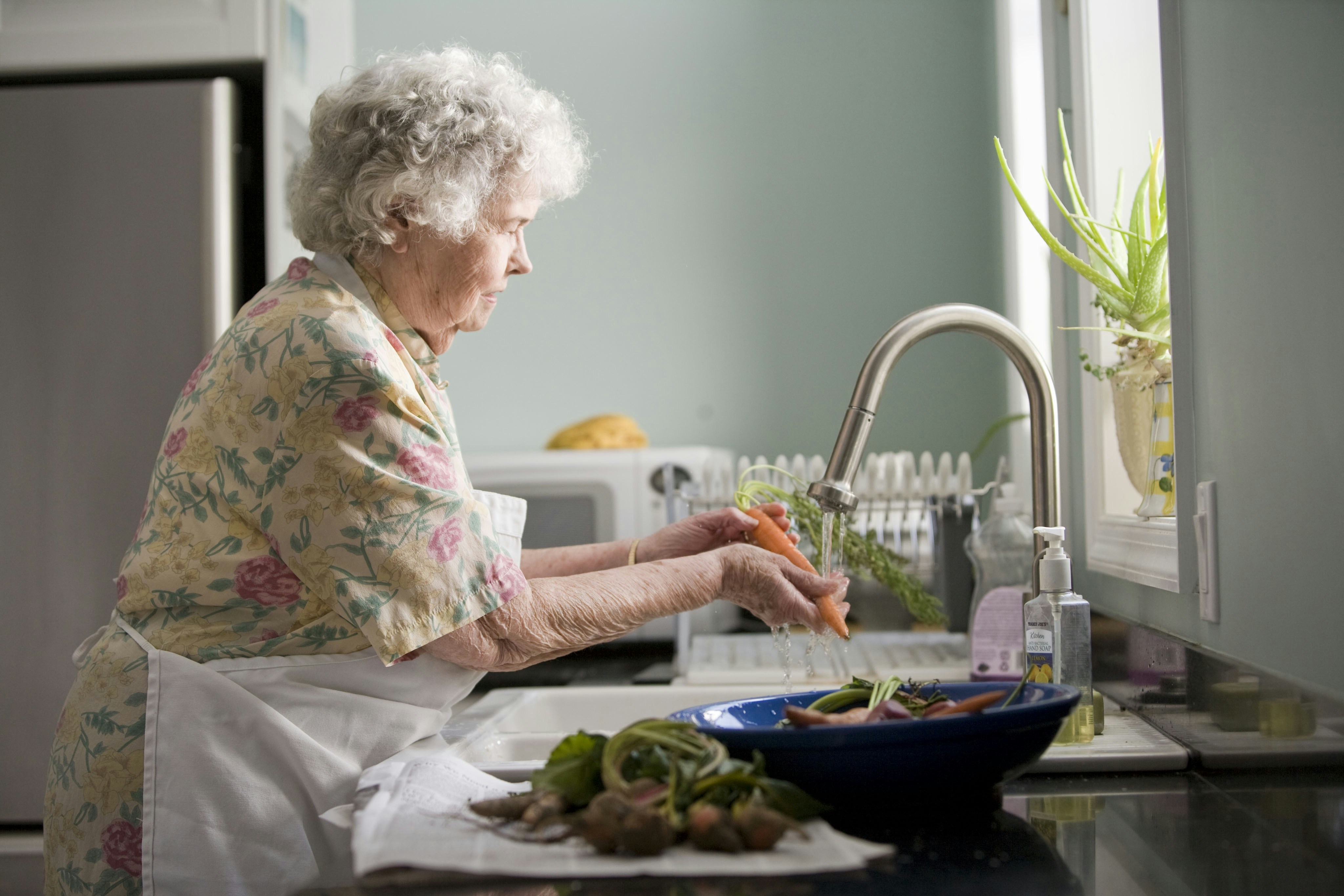
Nutrition plays an equally vital role. Older adults benefit from 1.0 to 1.3 grams of protein per kilogram of body weight each day. Spread intake across meals with options like Greek yogurt, eggs, chicken, or tofu. A Mediterranean-style eating pattern complements this by prioritizing fruits, vegetables, whole grains, healthy fats, and lean proteins while limiting ultra-processed foods. Research shows this approach reduces inflammation and supports long-term health.
These healthy aging tips align with the movement and nutrition pillars of longevity. Following them consistently helps maintain strength, reduces chronic disease risk, and supports active living for years ahead. The National Institute on Aging confirms that combining regular exercise with nutrient-dense meals protects against frailty. UC Davis experts add that consistent activity and balanced meals help seniors retain independence longer. Small daily choices compound over time to deliver significant gains in strength and overall wellness.
Protect Your Brain and Body: Sleep, Stress Management, Social Ties and Screenings
Quality sleep forms a core pillar of longevity by allowing the body to clear metabolic waste and regulate hormones. Adults benefit from seven to eight hours nightly with consistent wake times even on weekends. Chronic stress accelerates aging processes, so regular movement, daylight exposure, and time with trusted people provide stronger regulation than apps alone. Social connection ranks among the most protective factors; studies link stronger relationships to better cognitive function and lower mortality. Scheduling recurring low-pressure contacts like weekly calls or group activities sustains these ties effectively.
Preventive care completes the plan. Annual blood pressure and cholesterol checks, diabetes screening, and bone density tests for women over 65 catch issues early. Vision and hearing evaluations reduce fall risk while updated vaccines protect against illness. Stanford experts advise personalizing screenings based on health and life expectancy rather than age alone. The National Institute on Aging stresses that exercise, nutrition, and social engagement together guard against frailty.
These healthy aging tips integrate the remaining pillars into daily routines without overwhelm. Consistent sleep habits, stress-reducing movement, intentional relationships, and timely screenings support independence and mental sharpness. Research from Harvard confirms that executing these basics over decades yields the greatest gains in healthspan. UC Davis adds that proactive monitoring combined with lifestyle choices helps seniors maintain autonomy. Small, repeated actions across all five pillars compound to deliver lasting protection and active aging.
Sources
- https://med.stanford.edu/news/insights/2026/01/healthy-habits-for-successful-aging-60s-and-70s.html
- https://med.stanford.edu/news/insights/2026/01/healthy-habits-longevity-40s-and-50s.html
- https://www.health.harvard.edu/healthy-aging-and-longevity/the-5-pillars-of-longevity-movement-nutrition-sleep-stress-reduction-and-social-connection
- https://www.health.harvard.edu/healthy-aging-and-longevity/longevity-lifestyle-strategies-for-living-a-healthy-long-life
- https://health.ucdavis.edu/blog/cultivating-health/7-tips-to-help-keep-you-healthy-as-you-age/2025/09
- https://magazine.medlineplus.gov/article/live-long-be-well-science-based-tips-for-healthy-aging
- https://www.nia.nih.gov/health/healthy-aging/what-do-we-know-about-healthy-aging
- https://www.healthinaging.org/tools-and-tips/tip-sheet-ten-top-tips-aging-well
- https://fellowshiplifeinc.org/blog/6-wellness-trends-older-adults
- https://nutrabio.com/blogs/blog/what-healthy-aging-looks-like-2026