Many middle-aged adults fear losing strength, mobility, and mental sharpness with each passing decade. Health-conscious seniors share similar concerns about maintaining independence. Healthy aging counters these worries through consistent, evidence-based habits that deliver lasting results.
Studies confirm that lifestyle choices made in the 40s and 50s strongly influence later health outcomes. Regular physical activity stands out as one of the most powerful tools. It supports joint health, cardiovascular function, and cognitive performance while lowering risks for several chronic diseases.
Nutrition for seniors also matters greatly. Emphasizing whole foods, adequate protein, and vegetables helps sustain muscle mass and energy levels. Combined with quality sleep and stress reduction, these steps improve biomarkers linked to longer healthspan.
The benefits of healthy aging appear quickly and accumulate over years. Expect higher daily energy, better balance for everyday tasks, and reduced need for medical interventions. Social connections and leisure activities further slow biological aging according to recent findings.
Harvard experts note that movement may be the closest thing to a longevity drug available. Stanford research reinforces that starting healthy habits for longevity in midlife yields the greatest returns in independence and vitality during the 60s and 70s.
Embracing healthy aging now builds a foundation for decades of active living. Readers gain practical longevity tips that require no special equipment or expense, only commitment to small daily actions. The result is a longer, more vibrant life with preserved physical and mental function.
Build Your Longevity Foundation with Nutrition, Movement, and Sleep
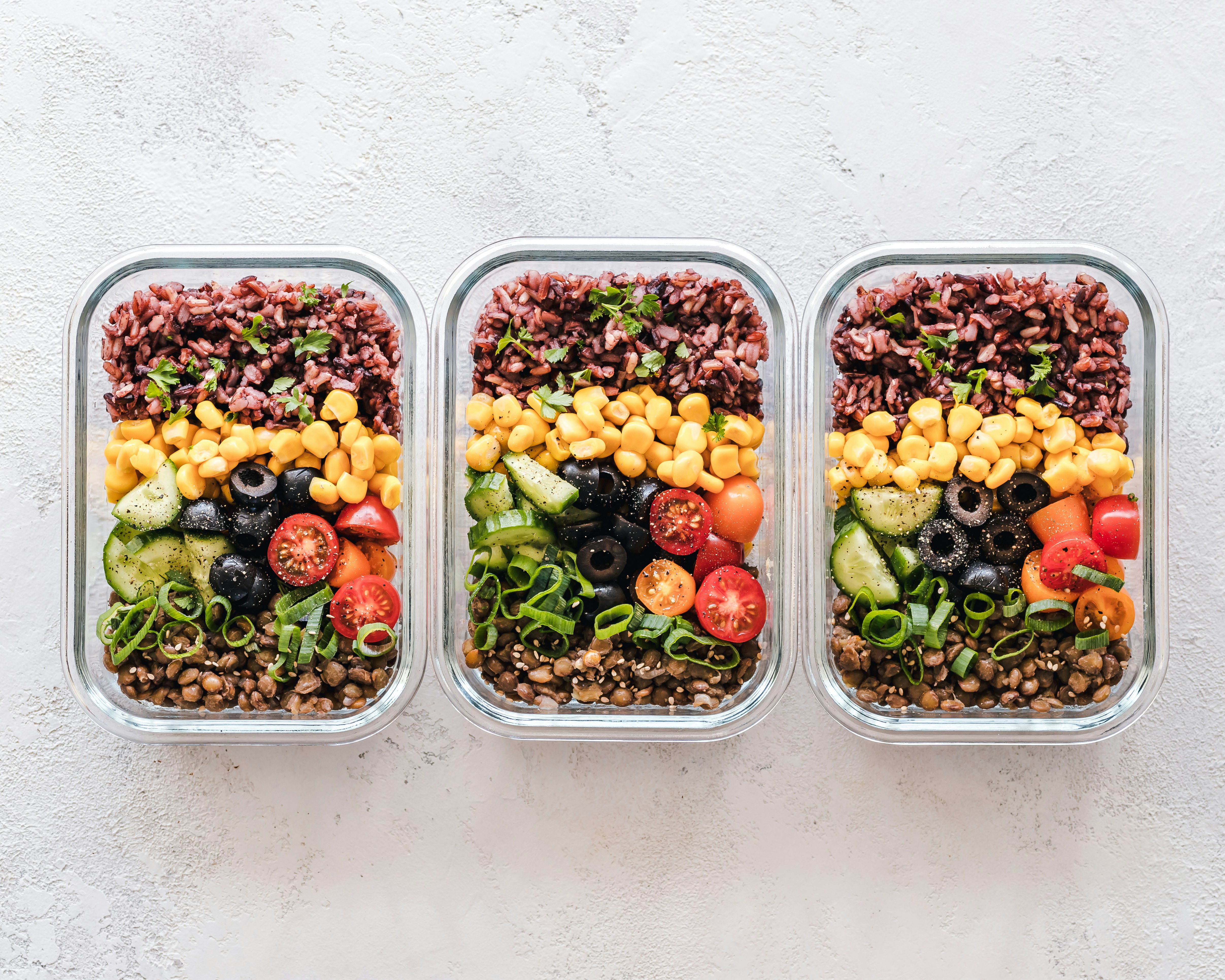
Healthy aging starts with practical steps in nutrition, movement, and sleep that anyone can adopt today. Build meals around vegetables, fruits, whole grains, and lean proteins to fuel your body effectively. This approach lowers chronic disease risk and maintains energy throughout the day. Aim for colorful plates that deliver essential vitamins and minerals naturally.
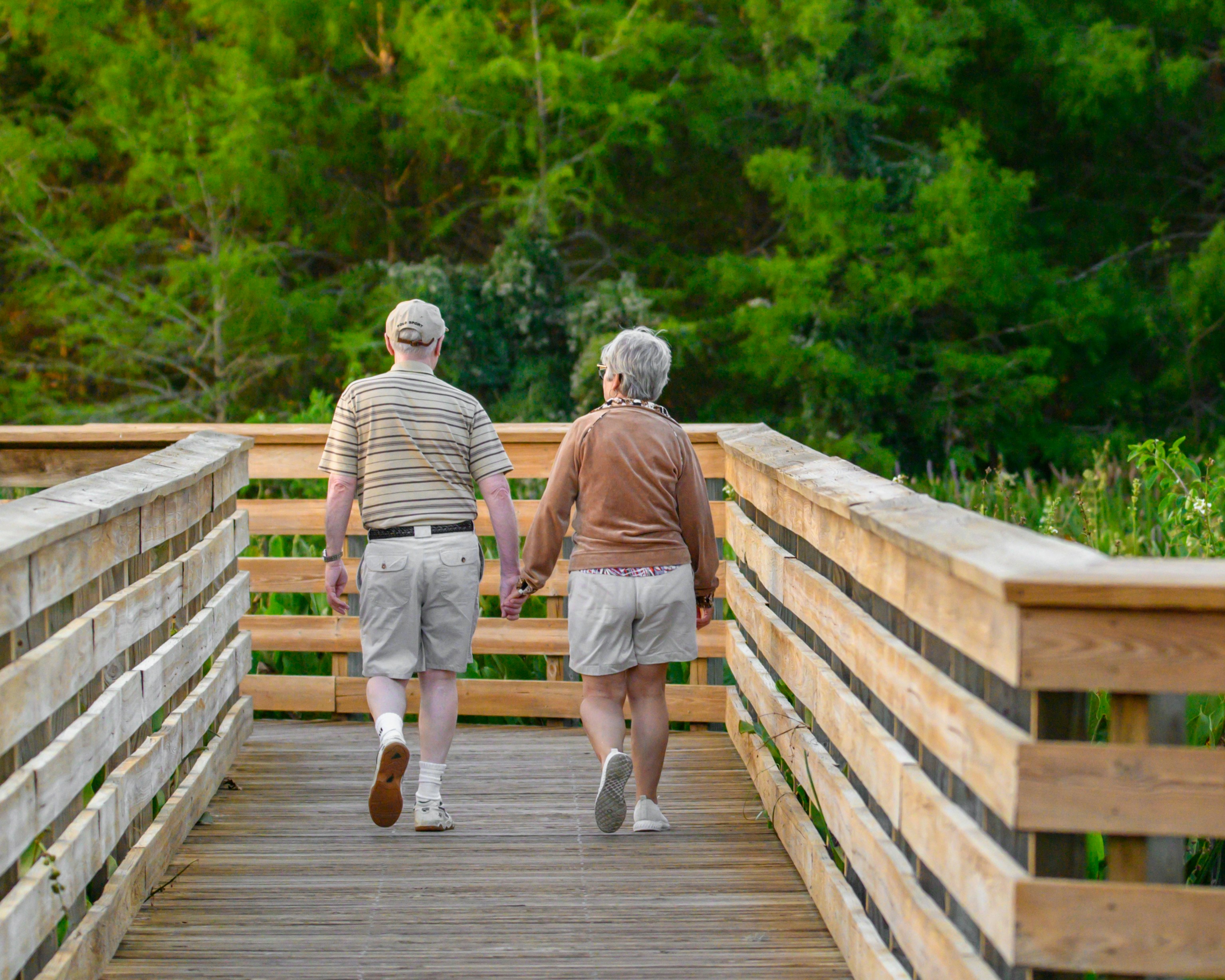
Incorporate movement into routines by walking daily and performing simple strength exercises like squats or wall pushes. These mobility exercises for older adults enhance balance and reduce fall risk while boosting cardiovascular health. Even short sessions add up over time to support longer healthspan movement.
Prioritize consistent sleep schedules of seven to nine hours nightly. Quality rest improves mood, cognitive function, and metabolic health. Combine these elements for science-backed aging advice that delivers measurable progress.
Small changes compound rapidly. Replace processed snacks with nuts or fruit, stand and stretch every hour, and create a calm bedtime routine. Columbia University shares five free longevity tips including these habits that require no expense yet yield strong results.
Stanford findings confirm that focusing on these areas in midlife leads to better outcomes later. Healthline reviews link such patterns to extended lifespan through better diet, exercise, and rest. Embrace these foundations to age gracefully with sustained vitality and independence. The CDC emphasizes maintaining physical, mental, and social health through integrated habits for lasting independence.
Strengthen Social Ties, Mindset, and Your Ongoing Healthy Aging Plan
Social connections play a vital role in healthy aging by reducing stress and enhancing emotional well-being. Regular interactions with family, friends, or community groups can add years to life expectancy. Leisure activities like group walks or book clubs further slow biological aging, as shown in recent studies.
Optimism and a positive mindset amplify these effects. Harvard’s five pillars of longevity highlight social connection alongside movement and nutrition for comprehensive benefits. Practice gratitude daily and reframe challenges as opportunities to maintain mental resilience.
Create a simple checklist to sustain progress: track daily walks, protein intake, sleep hours, and one social interaction. Review weekly and adjust as needed. For mobility exercises for older adults, start with chair-based routines if balance is an issue.
Troubleshooting common hurdles includes setting reminders for routines and joining online communities during bad weather. If motivation dips, revisit personal goals tied to independence in later decades. Nutrition for seniors improves when shared meals become social events.
These science-backed aging advice elements ensure long-term adherence. Incorporate healthy habits for longevity into every week to age gracefully. The CDC stresses ongoing physical, mental, and social health maintenance. With consistent effort, healthspan movement becomes a lifelong practice yielding independence and vitality.