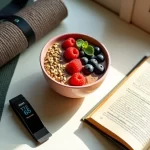
Biohackers are increasingly experiencing burnout from the pressure of constant optimization in 2026. The proliferation of tracking devices and apps creates data overload that leaves enthusiasts exhausted rather than empowered. Many find themselves checking metrics obsessively, leading to anxiety and reduced overall well-being.
This trend highlights a key challenge in biohacking trends 2026. While technology promises better health, excessive focus on numbers can disconnect individuals from their bodies natural signals. The result is diminished energy and stalled progress toward true longevity.
Sustainable outcomes require shifting priorities. Instead of pursuing every new protocol, biohackers benefit from selective use of tools. Focusing on foundational habits like quality sleep and nutrition provides more reliable gains without the mental strain.
Preventive health tech and personalized wellness trends support this balanced method by offering tailored insights that respect individual limits. These approaches integrate AI wearables wellness seamlessly into daily life.
For those ready to evolve, incorporating neurotech biohacking and vagus nerve stimulation helps regulate stress responses effectively. This reduces the need for over-analysis.
Ultimately, biohacking trends 2026 point toward mindful integration that preserves energy and promotes lasting health. Biohackers who adopt this mindset achieve longevity without the burnout that comes from endless optimization.
The sources indicate that biohacking trends 2026 emphasize integration over intensity. By choosing longevity technologies 2026 that align with personal values, biohackers can maintain momentum. Avoiding the trap of senolytics and biohacking extremes keeps the focus on practical daily improvements. This method supports adherence and better results across physical and mental domains.
Top Biohacking Trends 2026: AI Wearables and Personalized Wellness Tech
Biohackers are seeing rapid advances in AI wearables wellness that deliver immediate value. Devices now track advanced biomarkers such as continuous glucose levels and heart rate variability with higher precision. These tools integrate directly with AI coaches that provide personalized recommendations based on real-time data.
Preventive health tech stands out among biohacking trends 2026 by shifting focus from reaction to anticipation. Users receive alerts for potential imbalances before symptoms appear. This allows proactive adjustments to diet, exercise and sleep routines that enhance daily performance.
Personalized wellness trends use machine learning to tailor protocols for each individual. Instead of generic advice, platforms analyze genetic and lifestyle factors to suggest specific interventions. Early adopters report improved energy and focus within weeks of implementation.
Longevity technologies 2026 combine these wearables with regenerative insights. AI systems monitor cellular health markers and recommend targeted peptides or supplements when needed. Safety remains a priority with built-in guidelines that reduce risks associated with self-experimentation.
Daily habits benefit from seamless integration. Smart rings and patches sync with apps that adjust coaching dynamically throughout the day. Biohackers gain quick wins by following these data-driven nudges without overhauling entire lifestyles.
Sources confirm that biohacking trends 2026 emphasize accessible entry points like consumer-grade neurotech and metabolic trackers. These innovations support sustainable optimization while respecting the need for balance highlighted in earlier discussions.
Nervous System Regulation and Neurotech for Modern Health Enthusiasts
Modern health enthusiasts integrate neurotech biohacking to counter stress from constant tracking. Vagus nerve stimulation devices activate the parasympathetic response and reduce cortisol within minutes. These tools align with biohacking trends 2026 by providing measurable recovery without added complexity.
Somatic practices like targeted breathwork and brief cold exposure enhance device effects. Users monitor heart rate variability through linked apps to confirm progress. This combination supports preventive health tech goals by addressing root nervous system imbalances directly.
Common errors involve overuse or skipping baseline assessments. Begin with five-minute sessions and log responses in personalized wellness trends platforms. Adjust based on energy levels rather than pushing for maximum settings.
Troubleshooting includes pausing stimulation if dizziness occurs and consulting device guidelines. Pairing with longevity technologies 2026 such as senolytics and biohacking protocols amplifies cellular repair during rest periods.
Biohackers achieve sustainable results by embedding these methods into existing routines. Data from wellness trends 2026 shows improved resilience when neurotech complements AI wearables wellness rather than replacing natural signals. This approach maintains momentum from earlier optimizations while preventing overload.