Hitting a plateau during home workout routines often leads to frustration for dedicated enthusiasts. Despite regular sessions, strength gains slow and motivation dips. Addressing this requires fresh strategies drawn from proven fitness approaches.
Incorporate mobility work and fun challenges into your schedule. These additions keep sessions engaging while promoting better movement quality. Many athletes find that rotating exercises prevents boredom and encourages continuous adaptation.
Focus on biomechanics tips to refine technique. Proper alignment during key lifts maximizes results and minimizes injury risk. Learning to control tempo and range of motion turns ordinary home workouts into highly effective training.
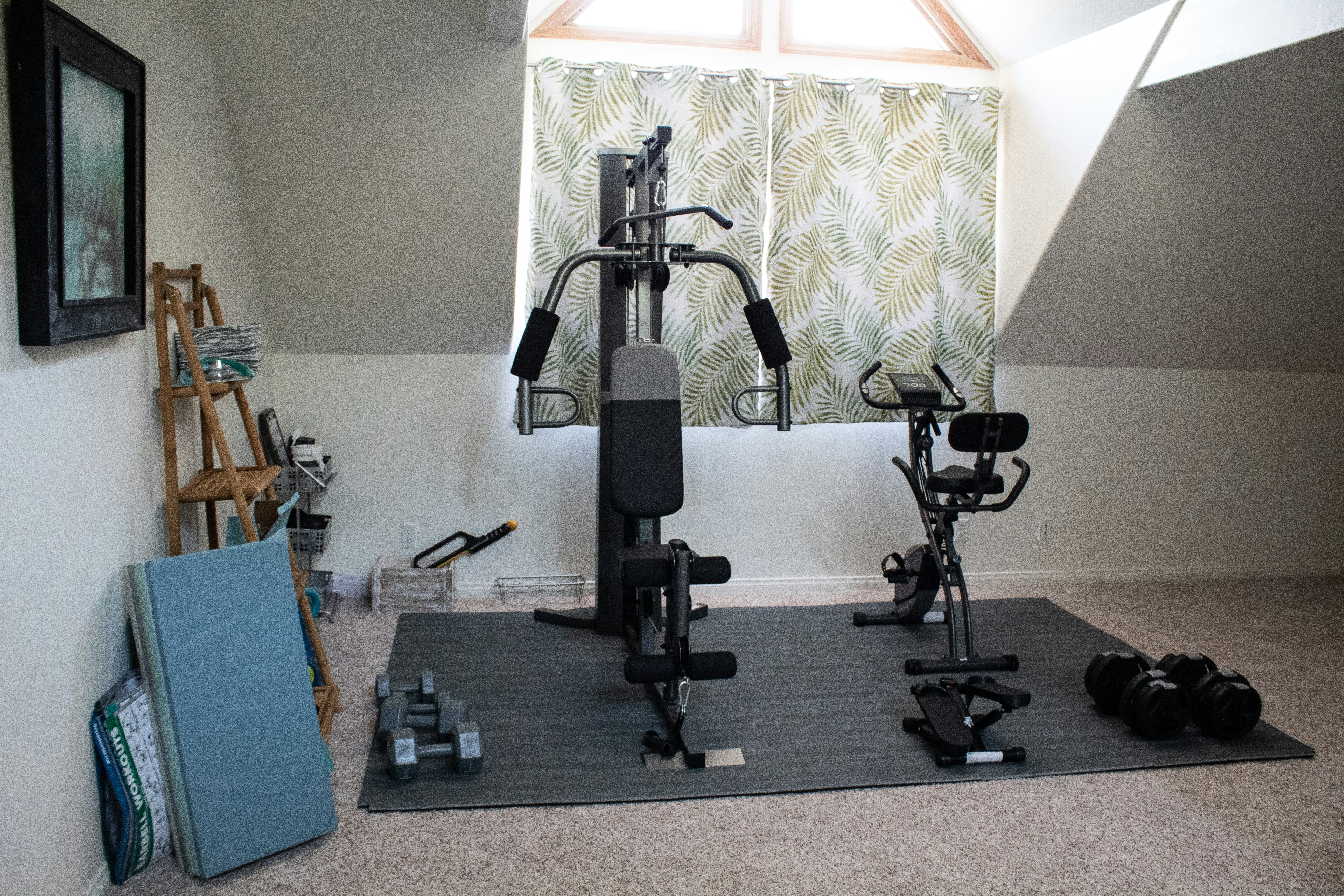
Creating a dedicated workout area helps sustain momentum. Keep equipment accessible and the space inviting to reduce barriers. Simple habits like scheduling sessions at the same time daily reinforce consistency.
Explore structured strength training at home through progressive plans. Start with foundational movements and build volume gradually. This method supports long-term progress without overwhelming beginners or advanced users alike.
Motivation thrives when goals stay realistic and visible. Celebrate small wins such as completing an extra set or improving form. Community support or accountability partners can further boost adherence.
By combining varied home workout routines with smart biomechanics and steady motivation, you achieve reliable outcomes. The path forward involves patience paired with smart adjustments that fit your lifestyle.
Online programs reviewed for their effectiveness help structure consistent home fitness efforts. Choose options that match your current level to avoid frustration and encourage steady improvement.
Finally, apply real-world biomechanics applications to optimize every session. This reduces injury chances while enhancing performance across all home workout routines. Adjust routines for personal progress.
Quick-Start 15-Minute Home Workouts for Busy Schedules
Short sessions deliver big results when time feels scarce. These home workout routines fit into tight schedules while building strength and endurance. Begin with a quick warm-up of arm circles and marching in place to prepare joints.
Follow this circuit: 40 seconds of bodyweight squats, 40 seconds of push-ups on knees or toes, 40 seconds of mountain climbers, then 40 seconds of glute bridges. Rest 20 seconds between moves. Repeat the full round three times for a complete 15-minute block.
Add barre elements from proven toning guides to target smaller muscles. Perform plie squats and leg lifts to improve stability. Pilates moves like the hundred or roll-ups fit easily into the same window and enhance core control.
Apply basic biomechanics tips during each exercise. Keep knees aligned over toes in squats and maintain a neutral spine in planks. This approach supports injury prevention exercises and keeps form sharp even when moving fast.
Track progress by noting completed rounds or improved reps. Such small records help stay motivated to workout at home over weeks. Many athletes use similar effective home workout plans to maintain consistency without gym access.
Choose online programs that offer 15-minute options for added structure. These resources guide progression and prevent boredom through varied sequences. Dedicate one corner of your living space for quick access to a mat and water bottle.
Rotate the circuit every few days by swapping in lunges or shoulder taps. This keeps sessions fresh while reinforcing consistent home fitness habits. Focus on quality movement rather than speed to maximize each minute spent training.
Biomechanics Basics: Perfect Form to Prevent Injury
Understanding biomechanics helps optimize home workout routines and reduces injury risk significantly. The study of how the body moves during exercise reveals key principles for safe training that every enthusiast should know. Focus on joint alignment and muscle engagement to protect vulnerable areas like the lower back, knees, and shoulders from unnecessary stress. Start with posture awareness before beginning any exercise. Stand tall with shoulders relaxed back and core gently engaged. This foundation carries through movements such as squats, lunges, and overhead presses. During a bodyweight squat, push hips back while keeping knees tracking directly over the toes. Avoid letting knees cave inward, which is a common error that strains ligaments over time. Incorporate biomechanics tips into your strength training at home by controlling the eccentric phase of each lift. Lower weights or your body slowly to build stability and strength. For push-ups, maintain a straight line from head to heels and lower the chest toward the floor without allowing hips to sag or rise. Real-world applications show that proper form improves overall efficiency and power output. Athletes who prioritize technique during home workouts see faster gains and fewer setbacks in their progress. Use a mirror or record videos of your sessions to check alignment and make corrections immediately. These practices support injury prevention exercises by distributing load evenly across muscles and joints. Consistent home fitness benefits greatly when every rep reinforces good habits rather than reinforcing poor movement patterns that lead to pain. Apply these concepts daily to stay motivated to workout at home with confidence. Effective home workout plans always include form checks to ensure long-term success and health. Review reliable sources regularly to refine your understanding further.
Sources
- https://stridekick.com/blog/fresh-workout-ideas-from-fitness-pros-for-your-2026-exercise-routine
- https://www.glofox.com/blog/fitness-blogs
- https://www.garagegymreviews.com/best-online-workout-programs
- https://www.vogue.co.uk/beauty/article/best-home-workouts-2026
- https://www.goldsgym.com/blog/2026-workout-plan
- https://www.verywellfit.com/understanding-biomechanics-3498389
- https://www.noraxon.com/simplified-biomechanics
- https://esmmweighless.com/5-tips-to-stay-motivated-for-exercising-at-home
- https://powerblock.com/blogs/fitness/how-to-get-motivated-to-workout-at-home
- https://www.health.harvard.edu/exercise-and-fitness/what-can-you-do-to-maintain-exercise-motivation