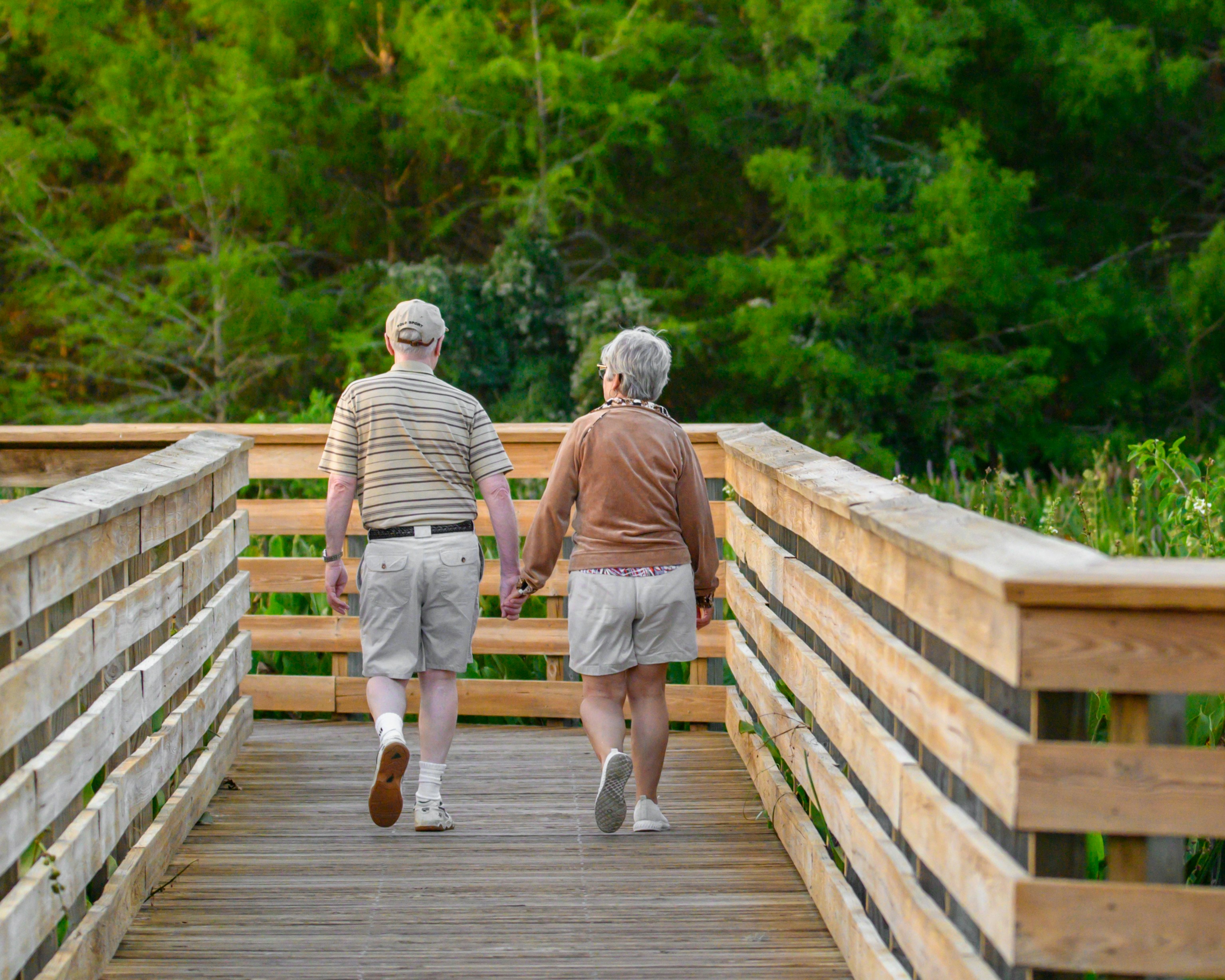
Many middle-aged individuals and seniors worry about losing the ability to live independently as they age. Concerns about reduced mobility, chronic conditions, and declining strength are common. Effective healthy aging strategies can help address these fears directly by focusing on proven methods. Following recommendations from trusted sources leads to improved outcomes over time. Adopting science-backed habits leads to concrete benefits including greater independence. Regular physical activity preserves strength and balance, lowering fall risks and supporting independence well into the 80s and beyond. According to Stanford experts, even those who were previously inactive can gain fitness benefits by increasing activity levels gradually. A Mediterranean-style diet rich in nutrients helps maintain cognitive function and reduces disease risks significantly. These steps also improve quality of life by keeping the mind sharp and social connections strong through regular interaction. The audience for these approaches includes health-conscious people in their 50s planning ahead, along with active adults in their 60s and 70s seeking to sustain vitality. Research highlights that starting healthy aging routines later in life still provides meaningful gains in fitness and wellbeing. Prioritizing preventive care and nutrition further supports long-term mobility and autonomy.
Quick Wins: Daily Nutrition and Movement Habits That Support Longevity
Prioritize protein at every meal to support muscle maintenance during healthy aging. Aim for 1.0 to 1.3 grams per kilogram of body weight daily. A 150-pound adult needs roughly 68 to 88 grams spread across three meals of 20 to 30 grams each. Good sources include Greek yogurt, chicken breast, eggs, tofu, or tuna. Mediterranean-style eating further enhances these results by lowering inflammation and protecting brain health.
Include five servings of fruits and vegetables each day. This habit reduces chronic disease risk and supplies essential vitamins for longevity nutrition. Focus on whole foods while limiting added sugars and saturated fats. Pair these choices with 150 minutes of moderate aerobic activity weekly plus strength sessions twice per week.
Simple endurance options such as brisk walking or swimming build heart health and improve mobility for aging. Add chair squats or resistance band work to keep muscles strong without gym access. Balance exercises like single-leg stands performed while brushing teeth prevent falls. Research confirms that accumulating 7,000 steps daily delivers significant cardiovascular and longevity benefits.
These active aging habits deliver noticeable energy gains within weeks when practiced consistently. Even previously inactive adults see measurable fitness improvements. Combine nutrition for healthy aging with regular movement to maintain independence and support healthy aging over the long term.
Build Lasting Strength, Balance & Cognitive Health for Graceful Aging
Progressive strength training forms the foundation of healthy aging by maintaining muscle mass and functional independence. Start with chair squats performed 10 to 15 times daily, then advance difficulty by reducing hand support or adding light resistance bands. Two weekly sessions of push-ups against a wall or weighted carries deliver measurable gains in mobility for aging adults. Research from national guidelines confirms these approaches help preserve daily function even when begun later in life.
Fall-prevention balance training reduces injury risk substantially. Hold a sturdy surface and stand on one leg for 10 to 20 seconds per side, repeating five to ten times. Corner stands with eyes closed build coordination when practiced consistently. Integrate sessions during routine tasks like tooth brushing to ensure adherence without extra time.
Cognitive engagement supports brain health alongside physical routines. Dedicate time to learning a new instrument, completing crosswords, or keeping a written journal of daily activities. Social connections through volunteer work or community classes further protect memory and emotional wellbeing.
Preventive screenings detect issues early. Schedule annual primary care visits along with vision, hearing, and blood pressure checks. Tailor cancer screenings to individual health status and life expectancy while maintaining recommended vaccinations.
Common mistakes include progressing too quickly without warm-ups or ignoring protein intake during strength phases. Combine these habits with longevity nutrition for best results.
Begin by discussing plans with a healthcare provider then track activity in a simple log. Consistent effort over weeks produces noticeable improvements in strength, stability, and mental sharpness for sustained healthy aging.
Sources
- https://magazine.medlineplus.gov/article/live-long-be-well-science-based-tips-for-healthy-aging
- https://med.stanford.edu/news/insights/2026/01/healthy-habits-for-successful-aging-60s-and-70s.html
- https://go.shaklee.com/wellness-trends-of-2025-that-are-here-to-stay-and-whats-next-for-2026
- https://www.nutritionaloutlook.com/view/2025-longevity-and-healthy-aging-roundup
- https://pmc.ncbi.nlm.nih.gov/articles/PMC12006278
- https://aspenfood.org/2026/06/03/nourishing-aging
- https://balchem.com/news/hnh-aging-and-bone-health-solutions
- https://www.webmd.com/healthy-aging/nutrition-fitness-after-70
- https://pubmed.ncbi.nlm.nih.gov/39743381
- https://naturallyinformed.net/2025-active-aging