Many people in middle age and beyond fear losing independence as energy declines and physical limits appear. These issues affect daily life but respond well to targeted changes for healthy aging. Evidence shows combinations of diet and movement deliver measurable improvements in function and reduced decline rates.
Systematic reviews confirm nutrition plus exercise extends active years substantially. Participants adopting these measures report higher vitality compared to inactive peers. Protein needs rise with age to support muscle maintenance aging effectively.
Wellness data from recent years highlight antioxidant-rich foods and cellular support as priorities. Seniors gain from attention to strength and digestion for better mobility overall. Stanford findings recommend activity levels suited to 60s and 70s to keep independence intact.
Plant-forward patterns tie to lower risks in cohort studies. Including items like olive oil aligns with reduced mortality observations. The AHEI approach stands out in large scale analysis for promoting longevity.
By following such protocols readers achieve sustained energy and active routines. Healthy aging outcomes include preserved cognitive function alongside physical capability. Science-backed longevity practices provide the foundation for aging gracefully without extreme effort.
Small consistent steps compound into significant healthspan extension. Health-conscious individuals planning ahead see real differences in quality of life metrics.
Nutrition Strategies That Extend Healthspan Based on Latest Research
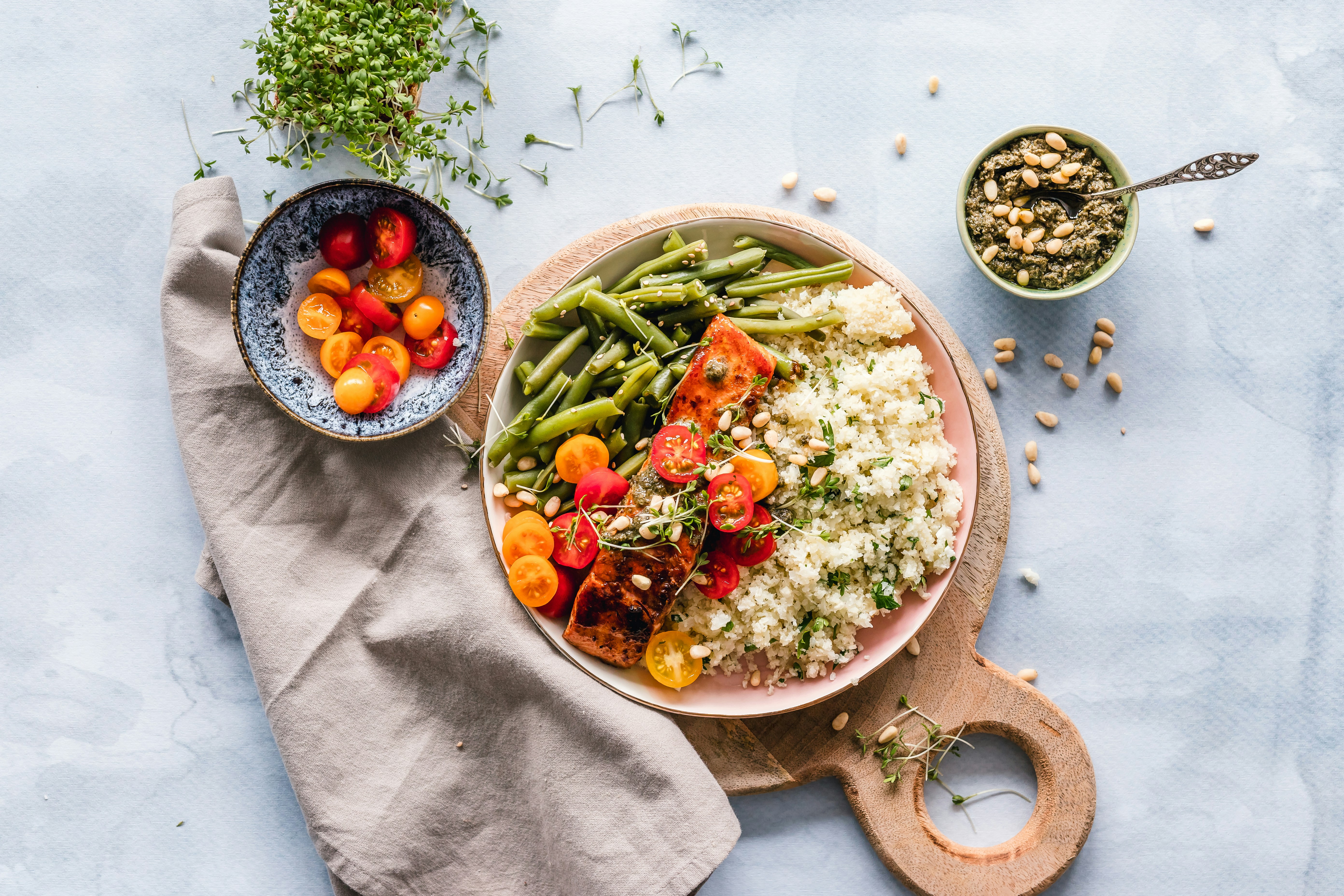
Recent research identifies several nutrition patterns that promote healthy aging over the long term. One prominent finding comes from large epidemiological studies linking the Alternative Healthy Eating Index to improved outcomes Nature Medicine study. This plant-forward diet prioritizes vegetables, fruits, nuts, and fish while limiting processed items. Following it consistently reduces risks associated with aging.
Protein requirements increase with advancing years to support ongoing muscle maintenance aging. Adults over 50 benefit from 1.2 to 1.6 grams per kilogram of body weight daily. Sources like legumes, dairy, and lean meats fit well into balanced meals.
Antioxidant rich foods such as colorful produce combat cellular damage that accumulates over time. Wellness reports note these habits align with trends emphasizing cellular health for active seniors Shaklee report. Olive oil stands out due to its association with reduced mortality in observational data PMC review.
Systematic evidence supports combining these dietary elements with other lifestyle factors for maximum effect meta analysis. Digestion improvements from fiber help maintain energy levels and mobility indirectly.
Middle aged individuals can adopt these changes early for cumulative benefits. Health conscious seniors already practicing similar strategies often report sustained independence.
Overall, focusing on whole food nutrition delivers science backed longevity advantages without complicated regimens. Small daily choices build resilience against typical age related declines.
Cohort studies further confirm that adherence to such diets lowers inflammation markers linked to faster aging. Including sources of healthy fats aids cognitive preservation alongside physical health.
Trends indicate personalized nutrition using emerging technologies may optimize these strategies further for individual needs. Protein timing matters especially around exercise sessions for better absorption.
For healthy aging, variety ensures broad nutrient coverage from natural foods. Avoiding excessive sugar and refined grains prevents metabolic issues that hinder longevity.
This combination of approaches supports both body and mind as years progress. Continued attention yields real gains in daily vitality levels.
Simple Mobility and Strength Routines to Stay Independent Longer
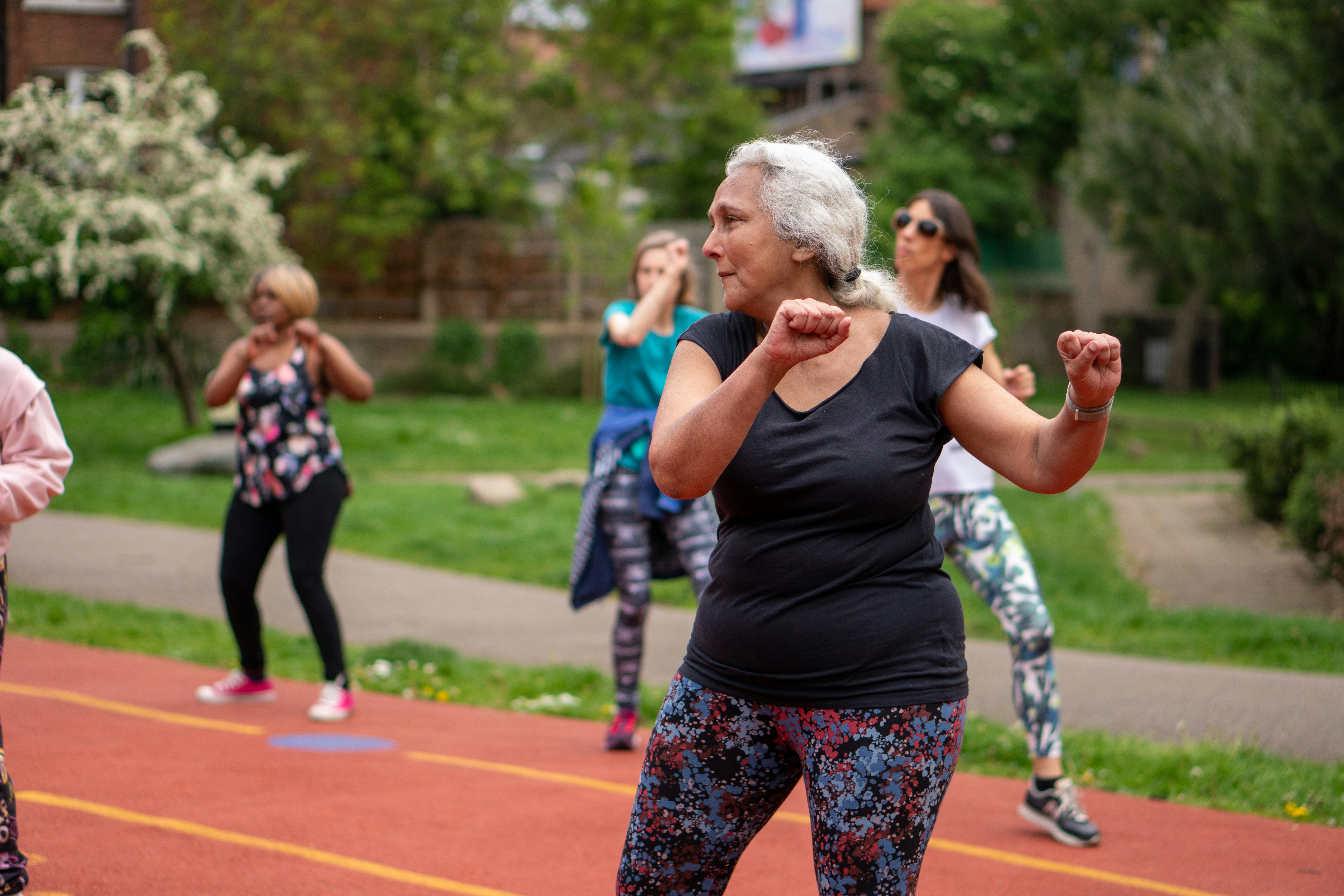
Regular movement helps combat energy decline and keeps individuals active as they age. Stanford research emphasizes activity guidelines that preserve mobility and independence for people in their 60s and 70s. Aim for 150 minutes of moderate exercise each week to support healthy aging. Begin with brisk walking for cardiovascular benefits. Break sessions into 30 minute segments five days per week. Add strength exercises twice weekly using bodyweight moves such as chair stands and wall push ups. Perform two sets of 10 to 12 repetitions per exercise. Include balance training to enhance stability. Stand on one foot while holding a stable surface for 10 to 20 seconds per side. Repeat daily to build confidence and reduce fall risks. Stretching improves flexibility after activity. Hold stretches for 20 to 30 seconds focusing on legs, back and arms. This step supports overall muscle maintenance aging. Combine routines with protein rich meals for better results in muscle repair. These practices align with science backed longevity by extending healthspan. Seniors who follow such plans report better daily function and aging gracefully. Track progress weekly and adjust intensity based on comfort levels. Start slow and increase duration over time. Consistency remains key for lasting benefits. Group classes provide social support alongside physical gains. Overall this approach promotes senior independence habits effectively without requiring gym access. This builds resilience through routine for healthy aging.
Sources
- https://go.shaklee.com/wellness-trends-of-2025-that-are-here-to-stay-and-whats-next-for-2026
- https://www.wellabe.com/news/top-health-trends-for-seniors
- https://pmc.ncbi.nlm.nih.gov/articles/PMC12674651
- https://distance.physiology.med.ufl.edu/about/articles/8-innovative-aging-trends-to-watch-in-2026
- https://med.stanford.edu/news/insights/2026/01/healthy-habits-for-successful-aging-60s-and-70s.html
- https://www.prevention.com/food-nutrition/healthy-eating/a70009416/best-healthy-aging-diet-study
- https://pmc.ncbi.nlm.nih.gov/articles/PMC10939982
- https://go.shaklee.com/wellness-trends-of-2025-that-are-here-to-stay-and-whats-next-for-2026
- https://pmc.ncbi.nlm.nih.gov/articles/PMC8851878
- https://med.stanford.edu/news/insights/2026/01/healthy-habits-for-successful-aging-60s-and-70s.html