Many enthusiasts abandon home workout routines within weeks when busy schedules clash with long sessions or missing motivation. The fix starts with simple no-equipment routines plus practical hacks that fit real life for athletes and health-focused individuals alike.
Short 20 minute workouts at home deliver fast wins without overwhelming your day. Functional strength training programs built around push, pull, squat and hinge moves improve daily mobility while building strength you actually use. Bodyweight circuit training such as squats, lunges and planks requires zero gear yet targets every major muscle group effectively.
Realistic goal setting prevents burnout and supports steady progress. Actionable techniques include choosing rest days wisely, logging small wins and focusing on how movement feels rather than perfect performance. These strategies help sustain momentum even when energy runs low.
Embracing 2026 fitness trends like functional fitness exercises further boosts results by emphasizing movement patterns that reduce injury risk and enhance long-term health. Pairing brief sessions with these approaches turns sporadic effort into reliable consistency that actually sticks.
Quick Wins: 20-Minute Full-Body Functional Strength Routines
Busy schedules often limit exercise time, yet 20 minute workouts at home provide an efficient entry point for building strength. Functional strength training emphasizes practical movements that translate directly to daily activities. These home workout routines focus on four core patterns: push, pull, squat and hinge to deliver balanced development without equipment.
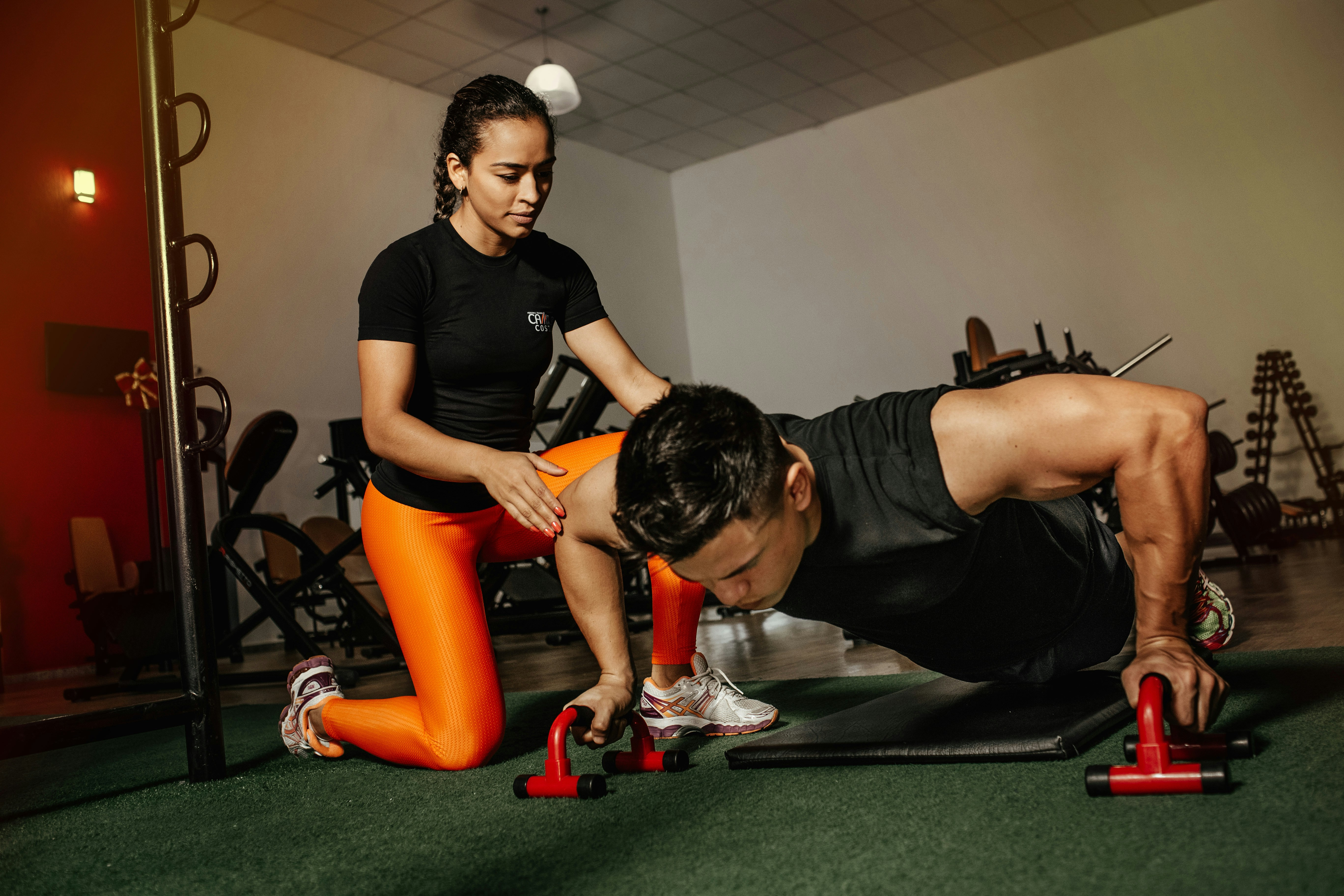
Beginners can start with bodyweight circuit training to master form. A sample sequence includes 10 push ups for pressing power, 10 inverted rows using a sturdy table or band for pulling strength, 15 bodyweight squats to build lower body power, and 10 single leg Romanian deadlift variations for hinging. Repeat the circuit three times with minimal rest to keep the session under 20 minutes.
Functional fitness exercises like these improve mobility and reduce injury risk while fitting hectic lives. Research supports short functional sessions for lasting gains in strength and endurance. Progress by adding light dumbbells once bodyweight feels comfortable or increasing reps gradually.
Consistency comes from seeing measurable improvements in how you move through the day. Many athletes incorporate these brief sessions to maintain conditioning alongside other training. The structure avoids overload yet produces noticeable results quickly.
Track performance by noting easier completion of daily tasks or increased reps over time. Such approaches align with 2026 fitness trends favoring efficient functional training.
Pairing these moves with rest intervals of 30 to 60 seconds maintains intensity while allowing brief recovery. Many find success repeating the full circuit four rounds for additional challenge once ready. Home workout routines of this type require no special space and adapt easily to small apartments or living rooms.
Step-by-Step: HIIT, Yoga Flows and Resistance Band Plans That Work at Home
Progressive home workout routines advance from foundational patterns to more intense formats like HIIT, yoga flows and resistance band work. Start with high intensity interval training by performing 30 seconds of burpees followed by 15 seconds rest. Continue with 30 seconds high knees, 15 seconds rest, 30 seconds mountain climbers and 30 seconds squat jumps. Repeat three to four rounds with one minute rest between circuits for effective calorie burn.
Next incorporate yoga flow by holding child’s pose for one minute then moving to downward dog for another minute. Flow into warrior one and two for 30 seconds each side before balancing in tree pose. Finish with a seated forward bend for one minute focusing on breath.
Add resistance band strength by completing 15 banded squats, 12 chest presses, 12 rows and 10 lateral walks per direction. Finish with 15 bicep curls for two to three sets resting 30 seconds between sets.
These steps build on no equipment home workouts by gradually increasing demand while maintaining proper form to avoid injury. Many athletes use such structured progressions successfully. Track adherence with simple logs to stay motivated over time.
20 minute workouts at home complement these plans for variety within 2026 fitness trends. Practitioners notice improved endurance and flexibility when alternating between these modalities on different days. Functional fitness exercises integrate well into existing plans to enhance overall physical health outcomes for enthusiasts pursuing consistent progress. Regular practice supports long term adherence and builds resilience against setbacks. Pair with realistic goal setting from proven strategies.
Sources
- https://www.svetness.com/blogs/best-workout-routines-at-home
- https://www.nytimes.com/2025/12/29/well/move/fitness-workout-tips-2026.html
- https://acsm.org/top-fitness-trends-2026
- https://www.vogue.co.uk/beauty/article/best-home-workouts-2026
- https://www.planetfitness.com/blog/articles/how-to-get-motivated-to-workout
- https://www.zing.coach/fitness-library/workout-motivation-tips
- https://www.planetfitness.com/blog/articles/functional-fitness-workouts-to-build-strength
- https://baptisthealth.net/baptist-health-news/new-year-exercise-trends-focus-on-functional-fitness-and-mobility
- https://health.clevelandclinic.org/how-to-get-motivated-to-workout
- https://www.nourishmovelove.com/strong-20-workout-plan