As middle-aged adults planning for the future or health-conscious seniors, confronting the realities of aging brings common fears: gradual loss of mobility, onset of chronic diseases such as diabetes, heart disease, and cancer, and subtle cognitive decline that erodes independence and joy. These challenges are not inevitable but demand attention to preserve vitality.
Stanford Medicine experts highlight that in the 60s and 70s, changes like reduced steadiness on feet or forgetting names signal the need for action. Their insights stress it’s never too late to adopt habits safeguarding independence, mobility, and mental sharpness—even for previously inactive individuals.
A landmark Harvard-led study followed over 100,000 midlife Americans for decades, revealing just 9.3% reached age 70 free from chronic diseases, physical or mental impairments, or cognitive issues. Midlife diets rich in fruits, vegetables, whole grains, and nuts strongly predicted this successful outcome.
Fortunately, science offers a clear path to healthy aging. Longevity pioneer Eric Topol’s seven evidence-based rules show lifestyle tweaks like exercise and optimized eating can extend healthy lifespan by 5-7 years. Key strategies include strength and balance training to prevent falls, nutrient-dense nutrition to combat frailty, social engagement for brain health, and routine screenings.
This series delivers these proven approaches, empowering you to overcome obstacles and achieve graceful, active longevity well into your later decades.
Nutrition for Healthy Aging: Superfoods and Diets That Add Healthy Years
Optimizing intake supports healthy aging by preserving muscle, bone density, and cognitive function while warding off chronic conditions. Recent studies confirm midlife dietary choices predict reaching 70 without major diseases.
A Harvard T.H. Chan School of Public Health study, tracking over 100,000 adults for decades, showed higher adherence to eight healthy diets—like the Mediterranean, DASH, MIND, and healthful plant-based—increased odds of healthy aging. Key elements: fruits, vegetables, whole grains, nuts, legumes, unsaturated fats, and low-fat dairy. Trans fats, sodium, sugary drinks, and processed meats correlated with poorer outcomes.
The Mediterranean diet excels, rich in plant foods, lean proteins, and olive oil, reducing inflammation linked to heart disease, diabetes, and dementia. Stanford Medicine advises 1.0-1.3 grams of protein per kg body weight daily (e.g., 68-88g for 150 lbs), via chicken, yogurt, eggs, or tofu, paired with whole foods over ultra-processed options.
Superfoods amplify benefits. NCOA recommends:
- Dark leafy greens (kale, spinach): Carotenoids protect eyes; vitamins A, C, K support heart and bones.
- Berries (blueberries): Anthocyanins boost cognition, antioxidants fight free radicals.
- Nuts/seeds: Monounsaturated fats, fiber lower heart risk; omega-3s reduce inflammation.
- Cruciferous veggies (broccoli): Fiber, phytochemicals prevent cancer.
- Salmon: Omega-3s, protein preserve muscle mass.
- Greek yogurt: Probiotics for gut health, high protein.
- Avocados, eggs: Nourishing fats, choline for mood/memory.
Incorporate these into meals for nutrition for healthy aging, extending vitality and independence.
Mobility Exercises and Habits for Longevity and Independence

Preserving mobility underpins healthy aging, allowing daily independence while slashing fall risks—a top cause of injury and hospital stays for seniors. Stanford Medicine clinicians stress the 60s and 70s as ideal for habits sustaining strength, balance, and function, even starting late. Their guidance shows simple routines yield fitness gains for inactive adults.
U.S. guidelines recommend 150 minutes weekly of moderate aerobic like brisk walking, plus muscle-strengthening twice weekly. Aim for 7,000 steps daily; break into short bouts if needed. Resistance doesn’t require heavy weights—lighter loads with more reps to failure work equally.
Strength training for older adults builds power for tasks like rising from chairs or carrying groceries:
- Sit-to-stands: Lower/rise from chair 10-15 times; progress by minimizing hand use or lowering seat.
- Chair squats, wall push-ups, or resistance bands target legs, core, upper body.
Balance exercises prevent falls, vital as one study linked 10-second one-leg stands to better mortality in 51-75-year-olds:
- Single-leg stands: Hold countertop/chair, 10-20 seconds per leg, 5-10 reps.
- Corner stands: Feet together, back to room corner for multi-directional support, eyes closed.
Pair with teeth-brushing for habit formation.
Walking integrates aerobic and gait training; experts like Silvia Tee suggest multiple daily strolls. Eric Topol’s rules affirm exercise as top biohack, adding 5-7 healthy years via reduced inflammation and preserved muscle.
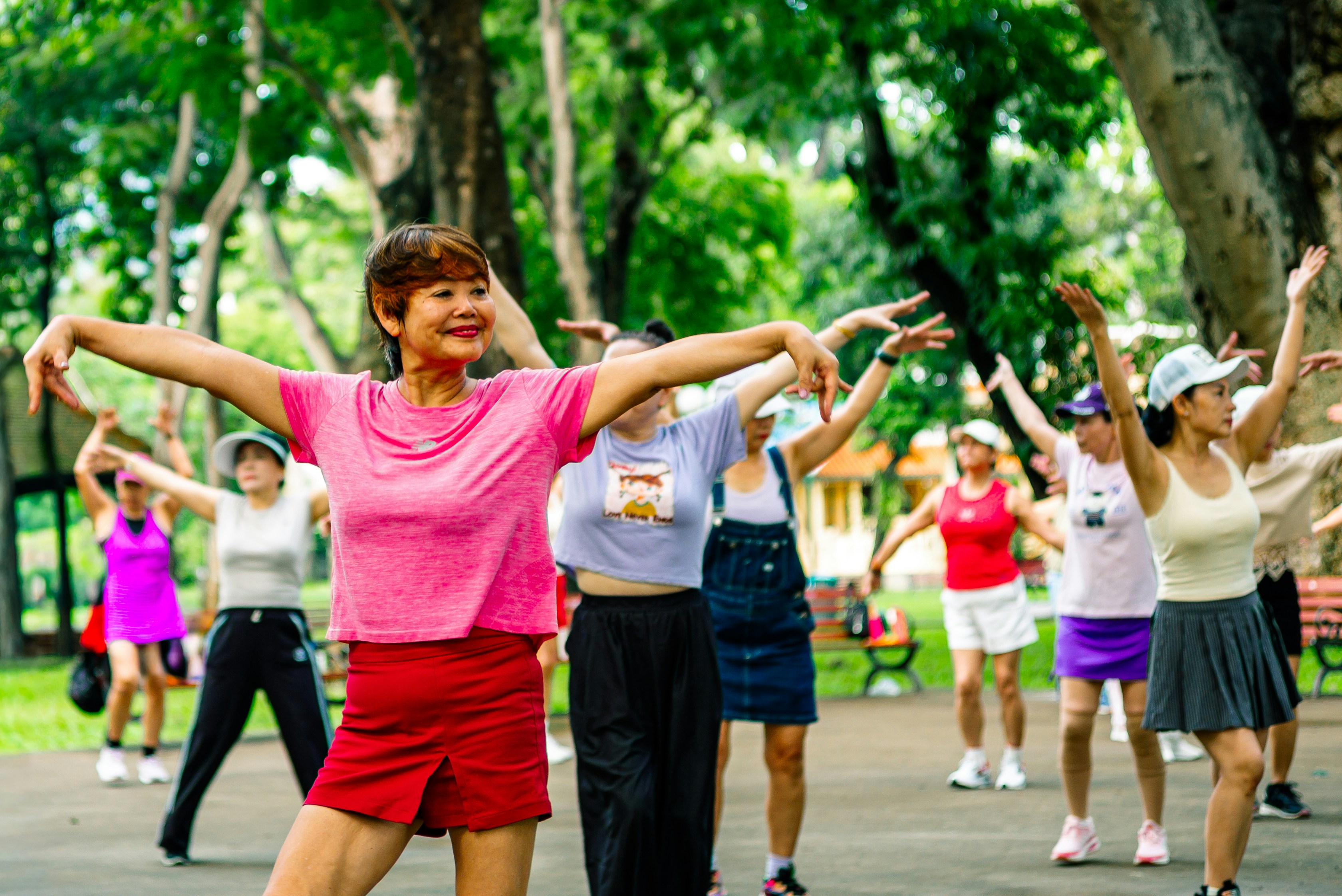
Complement with social habits: Group classes foster connections protecting cognition. Preventive care—annual physicals, screenings, vision/hearing checks—catches issues early.
These mobility exercises for seniors and healthy habits 60s 70s fit seamlessly, promoting longevity and vibrancy.
Sources
- https://med.stanford.edu/news/insights/2026/01/healthy-habits-for-successful-aging-60s-and-70s.html
- https://www.nutritionaloutlook.com/view/2025-longevity-and-healthy-aging-roundup
- https://www.cnn.com/2025/04/06/health/diet-food-aging-nutrition-study-wellness
- https://www.today.com/health/diet-fitness/healthy-aging-diet-plant-based-rcna197493
- https://www.nationalgeographic.com/health/article/longevity-aging-tips-science
- https://ostrowonline.usc.edu/nutrition-and-diet-in-older-adults-a-key-to-healthy-aging/
- https://www.ncoa.org/article/the-8-best-superfoods-for-seniors/
- https://www.the-independent.com/health-and-fitness/scientists-recommend-mobility-exercises-for-longevity-b2838899.html
- https://www.coachingagingadults.com/aging-well-the-impact-of-mobility-exercises-on-lifespan/
- https://www.nexira.com/top-health-trends-for-2026-glp1-womens-health-longevity-and-proactive-well-being/