Busy professionals face relentless demands: endless meetings, tight deadlines, and blurred work-life boundaries. Chronic stress silently erodes health, costing the global economy over $1 trillion annually in lost productivity from depression and anxiety, according to the World Health Organization as noted in wellbeingnavigator.ai. Symptoms include fatigue, irritability, poor focus, and heightened anxiety, leading to burnout that hampers decision-making and retention.
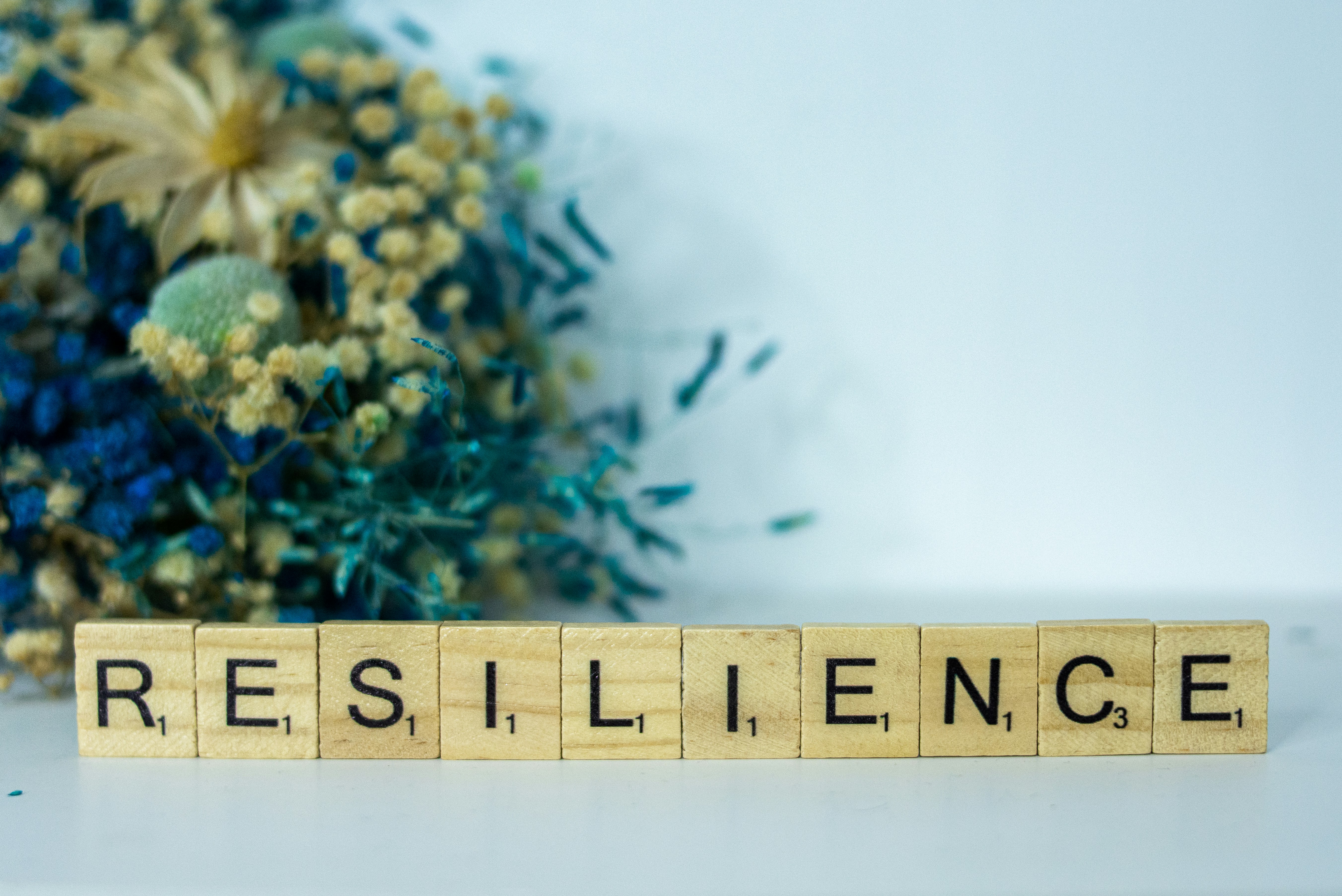
Many believe resilience is an innate trait reserved for the tough. Yet, experts like Dr. Ann Masten describe it as “ordinary magic”—a learnable skill anyone can develop through practice aspen counseling. Far from rigid toughness, true mental resilience involves flexibility, emotional intelligence, and adaptive coping.
To build mental resilience, evidence-based strategies yield transformative results. UCLA Health outlines nine tips, including movement and mindfulness, that reduce stress and boost happiness UCLA Health. Regular exercise cuts poor mental health days by 43%, per meta-analyses supportive care.
Professionals adopting these see reduced anxiety, sharper focus, and sustained personal growth. Micro-habits like daily check-ins prevent escalation, fostering emotional stability without disrupting schedules. Start today: resilience isn’t endurance—it’s empowerment through simple, science-backed shifts.
Quick-Win Coping Mechanisms: Evidence-Based Tools for Instant Stress Relief
Busy professionals juggle packed schedules, making quick, evidence-based coping mechanisms essential for workplace stress relief and to build mental resilience. These tools provide immediate calm, fitting seamlessly into meetings or commutes, backed by science for lasting impact.
Daily Mental Health Check-Ins
Normalize brief pauses to assess mood, energy, and focus. Wellbeing Navigator’s 2026 resolutions emphasize this habit to detect stress early, supporting mental resilience for busy professionals without disrupting productivity wellbeingnavigator.ai. Just 60 seconds prevents escalation, fostering emotional resilience habits.
4-7-8 Breathing Exercise
Inhale for 4 counts, hold 7, exhale 8. Supportive Care cites research showing this reduces cortisol by 50%, offering instant stress management techniques by activating rest-and-digest mode thesupportivecare.com. Repeat 4 times during high-pressure moments.
5-4-3-2-1 Grounding
Identify 5 things you see, 4 you touch, 3 you hear, 2 you smell, 1 you taste. Aspen Counseling recommends this for emotional regulation, building mental resilience amid chaos aspencounselingservices.com.
DBT Micro-Habits
ACP-MN outlines Dialectical Behavior Therapy-backed actions like ‘opposite action’—smile or stretch against tension urges—for rapid emotion regulation, ideal micro-habits for resilience acp-mn.com.
Movement Anchors
UCLA Health suggests 10-minute walks as daily anchors, cutting poor mental health days significantly while boosting focus uclahealth.org.
Layer these burnout prevention strategies daily. They shift mindset for personal growth, turning reactive stress into proactive strength to build mental resilience sustainably.
Cognitive Reframing Techniques: Shift Your Mindset for Long-Term Mental Resilience
Cognitive reframing techniques, rooted in cognitive-behavioral therapy, empower busy professionals to rewire limiting beliefs and build mental resilience for sustained emotional regulation. By challenging distortions, individuals shift perspectives, turning workplace stress into growth opportunities lifepaththerapy.org.
Step 1: Spot Cognitive Distortions
Recognize patterns like all-or-nothing thinking or catastrophizing. Aspen Counseling highlights these as barriers to adaptability; a missed deadline might trigger “I’m a failure forever” aspencounselingservices.com.
Step 2: Gather Evidence
Question the thought: What proof supports it? What contradicts? Wellbeing Navigator notes reframing setbacks builds emotional resilience habits by fostering realistic views wellbeingnavigator.ai.
Step 3: Craft Balanced Alternatives
Replace with empowering reframes: “This setback teaches better planning.” Supportive Care’s cognitive restructuring reduces anxiety effectively, per meta-analyses thesupportivecare.com.
Real-World Example: High-Stakes Meeting
Thought: “If I stumble, my career ends.” Reframe: “Mistakes show authenticity; feedback improves me.” This mindset shift for personal growth enhances decision-making under pressure.
Daily Practice: Thought Records
Journal triggers, distortions, evidence, reframes. LifePath Therapy endorses this for resilience, yielding calmer responses over time.
Integrate with prior micro-habits for comprehensive burnout prevention strategies. Professionals using cognitive reframing techniques report sharper focus and proactive stress management, solidifying long-term mental resilience for busy lives.
Sources
- https://wellbeingnavigator.ai/7-mental-health-resolutions-for-2026/
- https://themodernobserver.com/lifestyle/stress-management-professionals-2026
- https://www.raefrancisconsulting.com/resources/2026-mental-health-strategy
- https://www.aspencounselingservices.com/the-blog/how-to-build-mental-resilience-in-2026-practical-steps-anyone-can-use
- https://acp-mn.com/about-acp/blog/5-mental-health-micro-habits-for-a-resilient-2026/
- https://www.uclahealth.org/news/article/nine-mental-health-tips-happier-2026
- https://wibehavioralhealth.com/2025-mental-health-guide/
- https://yourhappinessandhealth.com/home/how-to-improve-your-mental-health-in-2026/
- https://www.thesupportivecare.com/blog/develop-healthy-coping-mechanisms-for-stress
- https://www.lifepaththerapy.org/blog/the-power-of-cognitive-reframing-shifting-perspectives-for-personal-growth