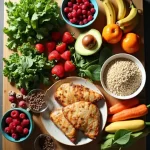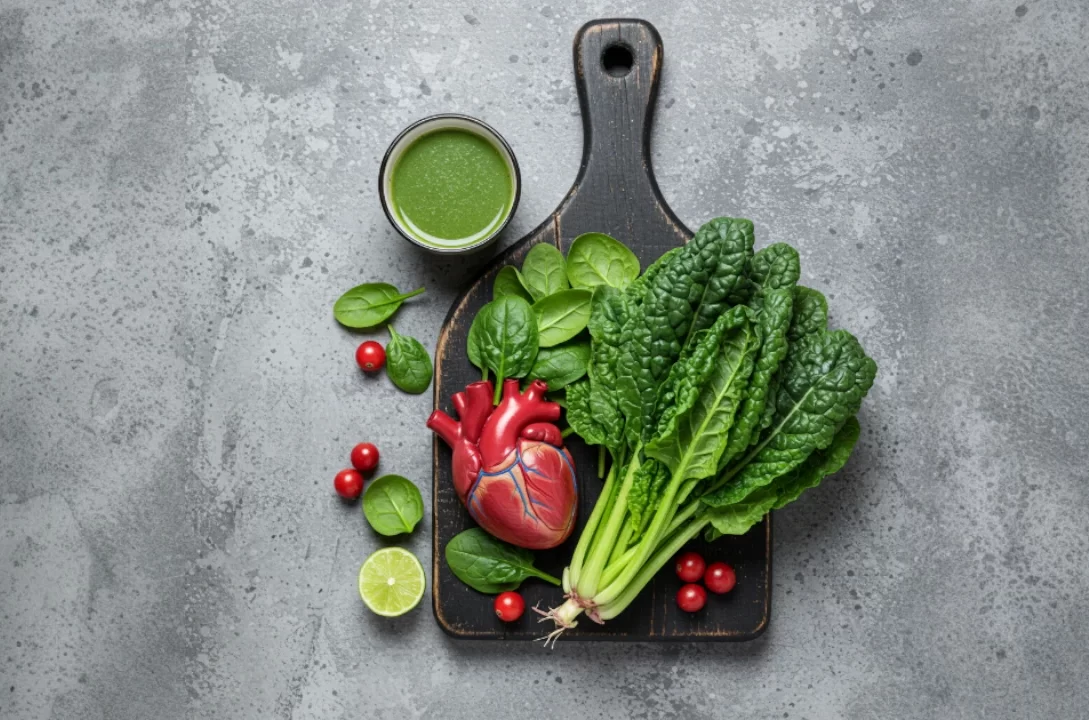
Your heart is the powerhouse of your body—pumping blood, delivering oxygen, and keeping every system alive. Yet, heart disease remains one of the leading causes of death worldwide. The good news? What you eat plays a major role in supporting heart health, and adding the right superfoods for a healthier heart can make a dramatic difference.
From antioxidant-rich berries to omega-3 packed fish, these nutrient-dense foods can reduce inflammation, regulate cholesterol, improve circulation, and keep your arteries strong. This guide will explore the most powerful heart-protective superfoods, explain how they work, and show you how to incorporate them into your daily diet for maximum benefits.
Why Nutrition Matters for Heart Health
The connection between diet and heart health is undeniable. Poor eating habits—like consuming too much processed food, sugar, and unhealthy fats—can raise cholesterol levels, increase blood pressure, and lead to artery damage.
On the other hand, superfoods provide essential nutrients that:
- Lower LDL (bad cholesterol)
- Raise HDL (good cholesterol)
- Reduce triglycerides
- Improve blood vessel function
- Fight inflammation and oxidative stress
By making mindful food choices, you can lower your risk of heart disease naturally while enjoying delicious meals.
Leafy Greens for Stronger Arteries
Dark leafy greens like spinach, kale, Swiss chard, and collard greens are some of the most nutrient-packed superfoods you can eat.
Why they help your heart:
- Rich in vitamin K, which protects arteries and prevents calcium deposits.
- Loaded with nitrates, which help reduce blood pressure and improve circulation.
- High in antioxidants that fight free radical damage.
Easy ways to enjoy them:
- Toss spinach into your morning smoothie.
- Add kale to soups and salads.
- Steam Swiss chard with garlic and olive oil for a quick side dish.
Fatty Fish for Omega-3 Power
Salmon, mackerel, sardines, and tuna are excellent sources of omega-3 fatty acids, essential for heart health.
Benefits for your heart:
- Reduce inflammation in arteries.
- Lower triglycerides.
- Decrease risk of arrhythmias (irregular heartbeat).
- Improve overall cardiovascular function.
How to include more fish:
- Grill salmon with lemon and herbs.
- Add sardines to salads for a nutrient boost.
- Swap beef for tuna steak once a week.
If you don’t eat fish, plant-based omega-3 sources like flaxseeds and chia seeds can be a great alternative.
Berries to Reduce Inflammation
Blueberries, strawberries, raspberries, and blackberries are bursting with polyphenols and antioxidants that protect your heart.
Heart-friendly advantages:
- Lower blood pressure.
- Improve cholesterol levels.
- Reduce oxidative stress in blood vessels.
- Support better circulation.
Delicious ideas:
- Blend mixed berries into smoothies.
- Use fresh berries as a topping for oatmeal.
- Snack on frozen blueberries for a refreshing treat.
Nuts and Seeds for Healthy Fats
Almonds, walnuts, chia seeds, flaxseeds, and pumpkin seeds are packed with healthy fats, fiber, and plant sterols that benefit heart health.
Why they matter:
- Reduce LDL cholesterol.
- Provide plant-based omega-3 fatty acids.
- Improve arterial elasticity.
- Keep you full and satisfied, reducing cravings for unhealthy snacks.
Best ways to enjoy them:
- Add walnuts to salads for crunch.
- Mix chia seeds into yogurt.
- Snack on a handful of almonds instead of chips.
Whole Grains for Better Cholesterol
Unlike refined grains, whole grains like oats, quinoa, barley, and brown rice retain their nutrient-rich bran and germ.
Heart benefits include:
- Rich in soluble fiber that lowers cholesterol.
- Reduce risk of type 2 diabetes, a major heart disease risk factor.
- Improve digestion and satiety.
Tasty additions:
- Start your day with oatmeal topped with berries.
- Use quinoa instead of white rice.
- Add barley to soups for a hearty texture.
Avocados for Heart-Healthy Monounsaturated Fats
Avocados are more than a trendy food—they are a nutritional powerhouse for heart health.
Key benefits:
- Rich in monounsaturated fats that lower LDL cholesterol.
- Contain potassium, which reduces blood pressure.
- Packed with antioxidants like lutein that protect arteries.
How to enjoy:
- Spread avocado on whole-grain toast.
- Add slices to salads and sandwiches.
- Blend into smoothies for a creamy texture.
Olive Oil as a Heart-Protective Staple
Olive oil, especially extra virgin olive oil, is a central part of the Mediterranean diet, known for reducing cardiovascular disease risk.
Why it’s great for your heart:
- High in monounsaturated fats that protect blood vessels.
- Rich in antioxidants that reduce inflammation.
- Improves cholesterol ratios.
Easy swaps:
- Use olive oil instead of butter for cooking.
- Drizzle it over salads and roasted vegetables.
- Blend it into dips and dressings.
Legumes for Plant-Based Protein
Beans, lentils, chickpeas, and peas are excellent sources of plant-based protein, fiber, and minerals.
Heart benefits:
- Lower cholesterol and blood pressure.
- Improve blood sugar levels.
- Reduce risk of obesity and heart disease.
Ways to add legumes:
- Make lentil soup for a hearty meal.
- Use chickpeas in hummus or salads.
- Replace meat with black beans in tacos.
Dark Chocolate in Moderation
Yes, chocolate can be heart-healthy—as long as it’s dark chocolate with at least 70% cocoa.
Benefits include:
- Rich in flavonoids that improve circulation.
- Lower blood pressure.
- Reduce inflammation.
Tips:
- Enjoy a small piece of dark chocolate after meals.
- Add cocoa powder to smoothies.
- Avoid sugary milk chocolate, which cancels out benefits.
Green Tea for Antioxidant Support
Green tea has been enjoyed for centuries for its health benefits—and your heart can thank you for it.
Why it helps:
- Contains catechins, powerful antioxidants that support vascular health.
- Lowers LDL cholesterol.
- Improves blood vessel function.
How to enjoy:
- Drink 2–3 cups daily.
- Use matcha for an antioxidant-packed latte.
- Swap soda for iced green tea.
Lifestyle Tips to Maximize Superfood Benefits
Superfoods are powerful, but they work best when combined with a healthy lifestyle. To protect your heart long-term:
- Maintain a balanced diet rich in whole foods.
- Exercise at least 30 minutes most days.
- Limit alcohol and quit smoking.
- Manage stress with meditation, yoga, or deep breathing.
- Get regular checkups with your doctor.
Conclusion
Your heart deserves the best care—and it starts with what you eat every day. Adding superfoods like leafy greens, fatty fish, berries, nuts, whole grains, and olive oil can significantly reduce your risk of heart disease while boosting energy, circulation, and overall wellness.
Start small—replace processed snacks with nuts, switch to whole grains, or enjoy a green tea instead of soda. Over time, these habits create a healthier lifestyle and a stronger, more resilient heart.
💡 Take action today—fill your plate with heart-healthy superfoods and give your heart the nourishment it needs to thrive.
FAQs
What are the best superfoods for lowering cholesterol?
Oats, nuts, avocados, and fatty fish are excellent for reducing LDL cholesterol.
Can I eat superfoods if I have high blood pressure?
Yes! Leafy greens, berries, and legumes help regulate blood pressure naturally.
How often should I eat fatty fish for heart health?
Aim for at least two servings per week of salmon, mackerel, or sardines.
Are plant-based superfoods enough for heart health?
Yes, legumes, nuts, seeds, and whole grains provide plant-based nutrients that support cardiovascular wellness.
Is dark chocolate really good for the heart?
Yes, in moderation. Dark chocolate rich in cocoa provides flavonoids that benefit blood vessel health.
🔗 For more on heart health nutrition, explore American Heart Association guidelines.