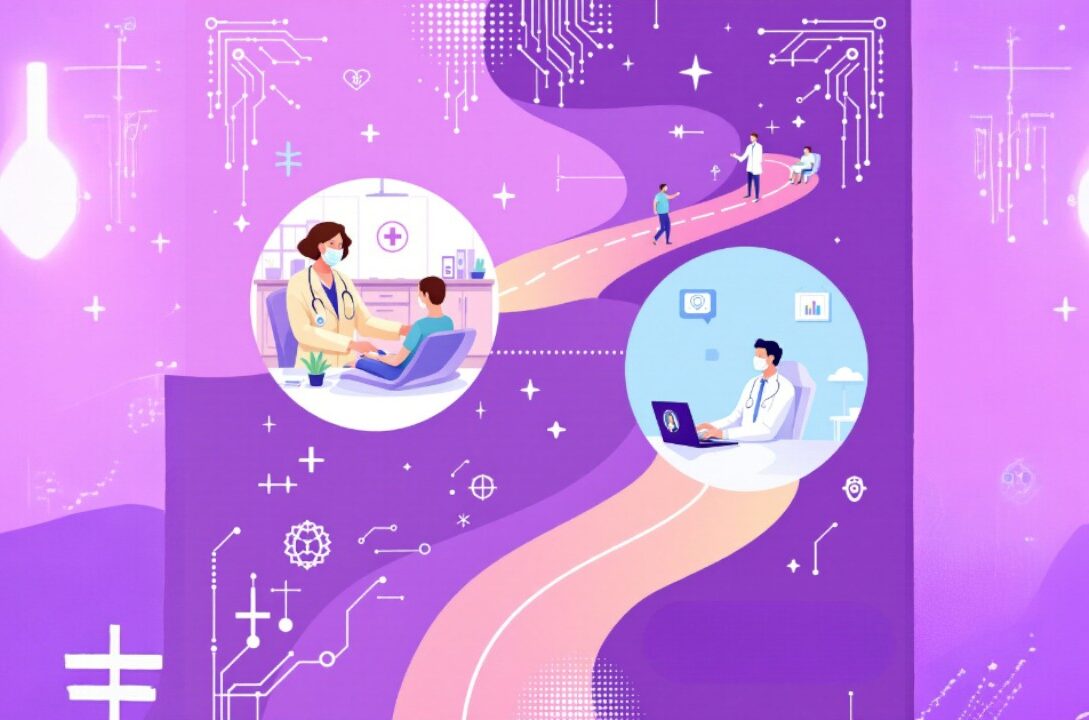
The healthcare landscape has transformed dramatically in recent years. What was once defined by in-person visits, long waits, and paper records has now shifted toward digital-first, patient-centered care. At the heart of this change is telemedicine—a tool that proved its value during the global pandemic and continues to grow as technology advances.
But the story doesn’t end with virtual doctor visits. From artificial intelligence in diagnostics to wearable health devices and personalized treatment plans, healthcare is evolving faster than ever. This article explores what’s next in healthcare evolution and how telemedicine will remain a cornerstone of this future.
The Rise of Telemedicine
Telemedicine has moved from being a niche service to a mainstream healthcare solution. By connecting patients with doctors remotely, it has removed barriers such as:
- Geographic distance: Patients in rural areas can access specialists without traveling.
- Time constraints: Virtual visits reduce waiting times and time off work.
- Cost efficiency: Fewer hospital visits and reduced overhead make care more affordable.
According to the American Medical Association, telehealth use increased by more than 50% between 2019 and 2022. This surge shows that telemedicine is here to stay, but its role will expand far beyond video calls.
How Telemedicine Improves Patient Care
Telemedicine doesn’t just save time; it enhances the quality of care. Doctors can now monitor patients’ progress continuously, ensuring better outcomes.
- Chronic condition management: Remote monitoring tools help track conditions like diabetes or hypertension in real time.
- Mental health support: Virtual therapy sessions make mental healthcare more accessible.
- Preventive care: Regular digital check-ins encourage early intervention, reducing risks of severe illness.
These benefits create a stronger doctor-patient relationship, even without face-to-face interaction.
The Role of Artificial Intelligence in Healthcare
Artificial intelligence (AI) is one of the most powerful forces shaping the future of healthcare. AI systems can analyze vast amounts of medical data quickly, identifying patterns that humans may overlook.
- Diagnostics: AI tools help radiologists detect diseases like cancer earlier.
- Predictive analytics: Algorithms forecast potential health risks based on patient history.
- Virtual health assistants: AI-powered chatbots answer patient questions and guide them through treatments.
AI doesn’t replace doctors; instead, it empowers them to make faster, more accurate decisions, ultimately saving lives.
Wearable Devices and Remote Monitoring
From smartwatches that track heart rates to advanced biosensors, wearable devices are revolutionizing healthcare. These tools give patients the ability to manage their health daily.
- Fitness tracking: Steps, sleep, and activity data promote healthier lifestyles.
- Medical wearables: Devices like glucose monitors allow continuous health monitoring.
- Emergency alerts: Wearables can detect irregular heart rhythms and notify medical professionals immediately.
The integration of wearables with telemedicine ensures that healthcare providers receive real-time data, leading to more personalized care.
The Expansion of Personalized Medicine
Healthcare is moving away from one-size-fits-all treatment. Personalized medicine tailors treatments to each individual based on their genetics, lifestyle, and environment.
- Genomic testing helps identify predispositions to diseases.
- Targeted therapies provide more effective treatment with fewer side effects.
- Nutrition and wellness plans are customized to an individual’s unique needs.
This trend makes medicine more precise, effective, and patient-centered.
Blockchain and Data Security in Healthcare
As healthcare becomes more digital, data security is a top concern. Blockchain technology offers a solution by ensuring patient records remain secure and accessible only to authorized professionals.
- Data integrity: Blockchain prevents tampering with medical records.
- Interoperability: Different healthcare providers can access and share data seamlessly.
- Patient control: Patients gain more control over who accesses their personal health data.
This technology enhances trust, transparency, and accountability in the healthcare system.
Virtual Reality and Augmented Reality in Medicine
Virtual reality (VR) and augmented reality (AR) are no longer just for gaming—they are now powerful healthcare tools.
- Medical training: Surgeons use VR simulations to practice complex procedures.
- Pain management: VR experiences help distract patients during treatments or chronic pain episodes.
- Patient education: AR tools show patients how treatments will affect their bodies.
These immersive technologies improve both learning for professionals and care for patients.
The Future of Mental Health in Telemedicine
Mental health has become a global priority, and telemedicine plays a major role in breaking down barriers. Virtual counseling and therapy apps are making care accessible to millions.
- 24/7 access: Patients can connect with therapists at any time.
- Anonymity: Online sessions reduce stigma and encourage more people to seek help.
- Digital mental health tools: Apps for meditation, cognitive behavioral therapy, and emotional tracking support daily well-being.
The combination of telemedicine and digital tools is helping society address the growing demand for mental health support.
Global Healthcare Access and Equity
Telemedicine has the potential to bridge healthcare gaps worldwide. In developing nations, where medical facilities may be limited, digital solutions can bring expert care to underserved communities.
- Mobile clinics combined with telemedicine extend healthcare to remote areas.
- Low-cost telehealth platforms ensure affordability for patients with limited resources.
- Global collaboration: Doctors can consult across borders, sharing expertise for better outcomes.
This expansion could lead to a more equitable healthcare system where everyone, regardless of location, receives quality care.
Challenges in the Future of Telemedicine
Despite the progress, challenges remain:
- Digital divide: Not all patients have access to smartphones or reliable internet.
- Regulatory issues: Different countries have varying rules for telehealth practices.
- Privacy concerns: Protecting sensitive patient data remains an ongoing challenge.
Overcoming these hurdles will require collaboration between governments, healthcare providers, and technology companies.
Conclusion: What’s Next in Healthcare Evolution
Healthcare is undergoing a massive transformation. From telemedicine and wearable devices to AI-powered diagnostics and personalized medicine, the future promises smarter, faster, and more accessible care.
The next era of healthcare isn’t about replacing doctors—it’s about empowering them with technology while giving patients more control over their well-being.
If you want to prepare for this future, stay informed, embrace new health tools, and be open to the digital innovations shaping tomorrow’s care. The healthcare evolution has only just begun.
FAQs About Telemedicine and Healthcare Evolution
What is the biggest benefit of telemedicine?
The biggest benefit is accessibility. Patients can connect with doctors from anywhere, reducing travel time and increasing convenience.
Will AI replace doctors in healthcare?
No. AI supports doctors by analyzing data and improving decision-making but cannot replace human empathy and expertise.
Are wearable devices accurate for medical use?
Many medical-grade wearables are highly accurate, but consumer devices should complement, not replace, professional medical advice.
How does blockchain help healthcare?
Blockchain secures medical data, improves transparency, and allows patients to control who can access their health records.
What’s the future of telemedicine?
Telemedicine will expand into remote monitoring, personalized care, mental health support, and global healthcare equity.
🔗 Internal Link Suggestion: Link this article to your other health, technology, or innovation-related content.
🌍 External Reference Example: World Health Organization – Digital Health