In today’s fast-paced world, more and more people are turning to plant-based eating—not just as a diet, but as a lifestyle choice that fuels health, longevity, and sustainability. But what does it really mean to eat plant-based, and why is it gaining so much attention worldwide? Let’s explore how shifting toward plant-powered foods can transform your health and your future.
🌿 What is Plant-Based Eating?
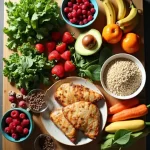
Plant-based eating focuses on consuming whole, minimally processed foods that come primarily from plants—fruits, vegetables, grains, nuts, seeds, and legumes. While some people go fully vegan, others simply reduce animal products and prioritize plants as the foundation of their meals.
It’s not about restriction—it’s about abundance, variety, and nourishment.
💪 Health Benefits of Plant-Based Eating
- Improved Heart Health ❤️
Studies show that plant-based diets lower cholesterol, reduce blood pressure, and decrease the risk of heart disease. - Boosted Energy & Vitality ⚡
Nutrient-dense foods like leafy greens, whole grains, and legumes provide sustainable energy without the crashes. - Weight Management Made Easier 🥗
Plant foods are rich in fiber, helping you feel full while supporting healthy digestion and weight balance. - Reduced Risk of Chronic Illness 🩺
A diet rich in plants can lower the risk of diabetes, obesity, and certain types of cancer. - Glowing Skin & Better Immunity ✨
Antioxidants and vitamins from plant foods boost skin health and strengthen your immune system naturally.
🌍 The Environmental Impact
Plant-based eating isn’t just good for your body—it’s good for the planet. 🌎
✅ Less greenhouse gas emissions
✅ Lower water usage
✅ Reduced deforestation & animal agriculture impact
By choosing plants more often, you’re contributing to a more sustainable and compassionate world.
🍴 How to Get Started with Plant-Based Eating
- Start Small – Add one plant-based meal per day.
- Focus on Whole Foods – Skip the overly processed “vegan junk food.”
- Experiment with Recipes – Try colorful stir-fries, grain bowls, or hearty lentil soups.
- Balance Your Plate – Include protein (beans, tofu, lentils), healthy fats (avocados, nuts), and whole carbs (quinoa, brown rice).
- Stay Inspired – Follow plant-based food blogs, join communities, and explore new cuisines.
🌟 Final Thoughts
Plant-based eating isn’t about perfection—it’s about progress. Every step you take toward incorporating more plants into your meals has a powerful ripple effect on your health and the planet.
Whether you’re going 100% plant-based or simply aiming to eat more plants, you’re making a choice that fuels your body, protects the environment, and supports a brighter future.
👉 Start today. Your body—and the planet—will thank you. 🌱✨