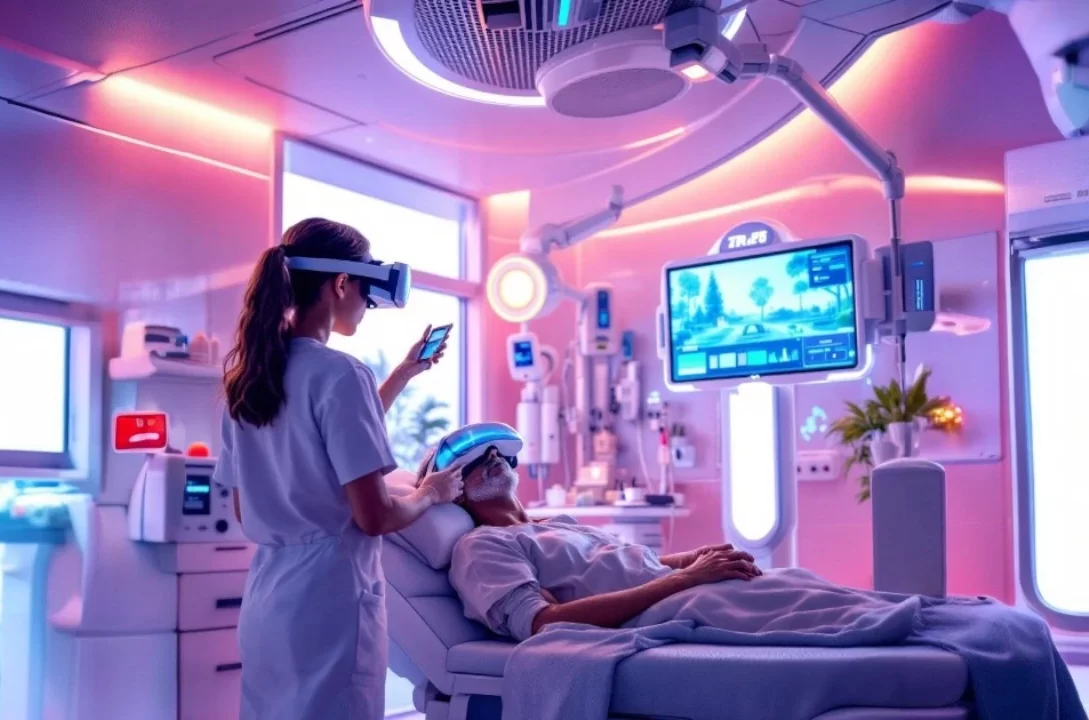
Introduction
The healthcare industry is on the brink of a revolution. What once seemed like science fiction is quickly becoming reality. From robot-assisted surgeries to personalized genetic medicine, the next decade will dramatically reshape how we prevent, diagnose, and treat illness.
These changes won’t just impact doctors and hospitals—they will influence how you receive care, manage your health, and interact with medical systems.
Let’s dive into the most shocking and transformative healthcare trends you can expect in the coming years.
Artificial Intelligence Will Revolutionize Diagnosis and Treatment
AI is no longer a futuristic concept—it’s already transforming healthcare. In the coming decade, artificial intelligence will:
- Analyze X-rays and MRIs faster than radiologists
- Identify early disease patterns from vast data sets
- Assist in diagnosing conditions with greater accuracy
- Provide real-time decision support to doctors during treatment
Companies like IBM Watson Health and Google DeepMind are leading the charge, with AI systems that can outperform humans in identifying cancer and eye diseases. Expect AI to become a core tool in every hospital and clinic.
Personalized Medicine Will Replace One-Size-Fits-All Treatments
Say goodbye to generic treatment plans. The future is precision medicine—customized care based on your:
- Genetic profile
- Lifestyle data
- Medical history
Thanks to advanced genomics and biotech, doctors will soon be able to tailor medications and therapies that match your DNA. This means:
- Fewer side effects
- Higher treatment success rates
- Better disease prevention
Pharmaceutical companies are already developing genetic-based drugs to treat conditions like cancer, heart disease, and rare genetic disorders.
Telemedicine Will Become the New Normal
The COVID-19 pandemic accelerated the adoption of telehealth, and it’s here to stay. Over the next 10 years, expect:
- Virtual doctor visits to become standard practice
- Remote patient monitoring for chronic conditions
- App-based mental health support
- AI-powered chatbots for 24/7 symptom checks
Telemedicine improves access, reduces wait times, and lowers costs. Rural areas, in particular, will benefit from equal access to quality care.
Wearable Tech Will Empower Self-Care and Early Detection
Healthcare is shifting from reactive to proactive—and wearables are leading the charge. Devices like smartwatches, fitness trackers, and biosensors will:
- Monitor vital signs in real-time (heart rate, oxygen, glucose)
- Alert users and doctors to early warning signs
- Track sleep, stress, and movement patterns
- Help manage chronic conditions like diabetes and hypertension
New advancements include smart clothing, implantable chips, and non-invasive glucose monitors that make managing health more seamless and accurate.
Mental Health Will Finally Get the Attention It Deserves
The next decade will prioritize mental health like never before. After years of stigma, society and healthcare providers are waking up to its importance. Trends to watch:
- Digital therapy platforms like BetterHelp and Talkspace
- AI mental health assistants for instant emotional support
- Employer-backed mental health programs
- Insurance coverage expansion for therapy and counseling
Expect to see mental health integrated into primary care, school systems, and workplace wellness strategies.
Blockchain Will Secure Your Medical Data
Security and transparency in healthcare data are top concerns. Enter blockchain—a decentralized system that:
- Safely stores and transfers medical records
- Gives patients ownership and control over their data
- Enhances interoperability between systems and providers
- Reduces fraud and medical identity theft
In the future, your entire health history may live in a blockchain wallet—accessible instantly and securely by any approved provider worldwide.
Healthcare Will Go Hyperlocal and Home-Based
Forget the old hospital-centered model. Care is moving closer to home. Key developments include:
- Hospital-at-home programs for post-surgical recovery
- In-home diagnostic tools for blood pressure, oxygen, and ECG
- On-demand nurses and care professionals delivered via apps
- Portable devices that mimic lab testing
The goal? More comfort, less cost, and faster recovery without leaving your living room.
CRISPR and Gene Editing Will Cure the “Incurable”
One of the most jaw-dropping advances is CRISPR gene editing—a tool that allows scientists to cut, replace, or fix faulty DNA sequences. What this means:
- Potential cures for genetic diseases like sickle cell anemia and muscular dystrophy
- Elimination of inherited disorders before birth
- Slowing or reversing diseases like cancer and Alzheimer’s
Though still controversial, CRISPR holds the key to curing what was once considered incurable—ushering in a new era of regenerative medicine.
Health Equity and Access Will Take Center Stage
Inequality in healthcare outcomes has long plagued communities. Over the next decade, expect increased efforts to:
- Expand healthcare access in underserved areas
- Develop inclusive medical research and treatments
- Provide culturally competent care
- Use technology to bridge access gaps
Governments and NGOs are pushing for healthcare justice—ensuring everyone, regardless of race, income, or geography, receives quality care.
Big Data Will Predict and Prevent Disease Before It Strikes
With wearable tech, electronic health records, and AI, the healthcare industry is sitting on a mountain of valuable data. Over time, this data will:
- Predict individual health risks before symptoms appear
- Help doctors prevent diseases through early intervention
- Allow researchers to spot public health threats faster
- Enable insurers to offer preventive incentives
This predictive power will change the focus from treating illness to preventing it entirely.
3D Printing Will Transform Surgery and Medical Devices
The future of healthcare includes printing body parts—yes, literally. 3D printing is being used to:
- Create custom prosthetics and orthopedic implants
- Print organs and tissues for transplant
- Develop low-cost surgical tools and devices
- Manufacture personalized dental, hearing, and eyewear solutions
With this tech, patient-specific solutions become faster, cheaper, and more effective.
Longevity Science and Anti-Aging Therapies Will Explode
Thanks to advances in genetics, nutrition, and cellular biology, science is getting closer to extending the human lifespan. The next wave of anti-aging therapies will focus on:
- Senolytics—drugs that remove aging cells
- NAD+ boosters—molecules that support cellular repair
- Fasting mimicking diets and personalized nutrition
- Biological age tracking to measure healthspan, not just lifespan
The goal? Not just to live longer—but to live healthier longer.
Healthcare Will Become Predictive, Preventive, and Personalized
In the next decade, healthcare won’t just treat symptoms—it will anticipate your needs. This new model focuses on:
- Prediction: Using genetics, behavior, and data to forecast disease risk
- Prevention: Early lifestyle or medical intervention
- Personalization: Custom treatment based on who you are
This shift will improve outcomes, reduce costs, and change the doctor-patient dynamic forever.
Conclusion: The Future of Healthcare Is Already Here
These shocking healthcare trends are more than hype—they are rapidly becoming reality. As the next decade unfolds, expect a system that is:
- More personalized
- More accessible
- More predictive
- More tech-integrated
Whether you’re a patient, healthcare provider, or simply someone interested in staying healthy, now is the time to stay informed, stay proactive, and embrace this exciting evolution.
The future of healthcare isn’t coming—it’s already here. Are you ready for it?
Frequently Asked Questions
Will AI replace doctors in the future?
AI will assist, not replace doctors. It will handle data-driven tasks while doctors focus on decision-making and patient care.
How soon will gene editing become mainstream?
CRISPR is in clinical trials. Widespread use could take 5–10 years, depending on regulation and ethical considerations.
Is telemedicine as effective as in-person visits?
For many conditions, yes. It’s highly effective for routine care, mental health, and chronic condition management.
Will wearable tech really prevent diseases?
Yes, by identifying health changes early, wearables can prompt quicker medical intervention and lifestyle adjustments.
How will healthcare be more affordable with these trends?
Digital tools, home-based care, and AI diagnostics can reduce operational costs, making care more efficient and cost-effective.
Internal and External Resources
Internal Links:
- Top Wellness Gadgets You Need This Year
- The Role of AI in Everyday Life
- Why Personalized Nutrition is the Future
External Sources:
- World Health Organization: Future of Digital Health
- NIH: Precision Medicine Initiative
- Forbes: Healthcare Predictions for the Next Decade