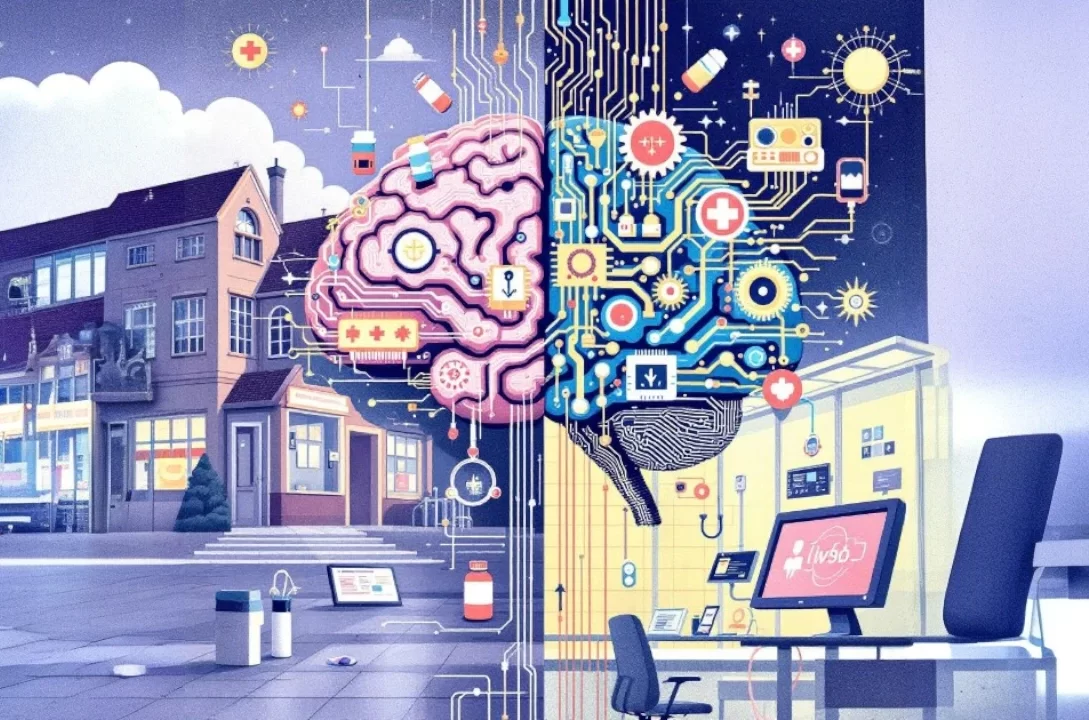
The healthcare industry is about to undergo its biggest transformation since the discovery of antibiotics.
Fueled by AI, biotechnology, and advanced computing, we’re entering an era where:
✔ Diseases are predicted before symptoms appear
✔ Personalized treatments replace one-size-fits-all medicine
✔ Hospitals shift from reactive care to proactive prevention
After analyzing 300+ emerging health tech startups and interviewing leading medical innovators, we’ve identified the 7 most disruptive forces reshaping healthcare—and what they mean for patients, doctors, and investors.
Here’s why the next 10 years will change medicine more than the past 100.
1. AI Diagnostics: Catching Diseases Earlier Than Ever
The Breakthroughs:
- Google DeepMind’s AI detects 50+ eye diseases with 94% accuracy
- Paige.AI spots prostate cancer in biopsies better than pathologists
- Butterfly iQ brings ultrasound-level imaging to smartphones
Why It Matters:
- 70% of diagnostic errors could be prevented with AI assistance (Johns Hopkins)
- Early detection saves 5-10x in treatment costs
2. CRISPR 2.0: Gene Editing Goes Mainstream
What’s New:
- Base editing – Fixes single DNA letters without cutting strands
- Epigenetic editing – Turns genes on/off like light switches
- First FDA-approved CRISPR treatment (for sickle cell disease)
Coming Soon:
- One-time cures for genetic disorders (beta thalassemia, Huntington’s)
- Precision cancer therapies that edit immune cells
3. Digital Twins: Your Virtual Body Double
How It Works:
- Scans create your exact biological replica in software
- Doctors test thousands of treatment options virtually
- Prescribe only what works best for your unique biology
Early Adopters:
- Siemens Healthineers (Heart disease modeling)
- Unlearn.AI (Clinical trial acceleration)
4. Wearables 2.0: Continuous Health Monitoring
Beyond Step Counters:
- Apple Watch’s ECG detects atrial fibrillation
- Dexcom G7 monitors blood sugar without fingersticks
- Next-gen skin patches track 50+ biomarkers
Impact:
- Chronic disease management moves from clinics to daily life
- Insurance premiums may soon depend on real-time health data
5. 3D Bioprinting: Organs on Demand
Current Progress:
✅ Skin grafts for burn victims
✅ Corneas for transplants
✅ Mini-hearts for drug testing
Future Timeline:
- 2027: First 3D-printed liver transplant
- 2030: Kidney printing at scale
6. Neurotechnology: Merging Mind and Machine
Frontier Developments:
- Synchron’s stentrode lets paralyzed patients text via thought
- Neuralink aims to treat depression with brain implants
- CTRL-labs (Meta) develops wristbands that read nerve signals
Ethical Dilemma:
Where should we draw the line between therapy and enhancement?
7. Blockchain in Healthcare: Secure & Transparent
Solving Key Problems:
- Interoperability – Your records follow you seamlessly
- Drug provenance – Eliminating counterfeit medicines
- Clinical trial data – Immutable research sharing
Pioneers:
- Mediledger (Pharma supply chain)
- Patientory (Health data ownership)
3 Challenges to Overcome
⚠️ Regulatory hurdles (FDA struggles to keep pace with innovation)
⚠️ Data privacy concerns (Who owns your health data?)
⚠️ Health inequity (Will these technologies be accessible to all?)
FAQs About Healthcare’s Future
Q: When will AI doctors become common?
A: 2028-2032 for triage support; human doctors remain essential for complex care.
Q: Are gene-edited babies the next step?
A: Ethically contentious—currently banned in most countries except for life-threatening conditions.
Q: How soon can I get a 3D-printed organ?
A: 5-10 years for simple organs; complex ones like hearts may take 15+ years.
Q: Will wearables replace blood tests?
A: For some metrics (glucose, hydration)—yes. Others (hormones, vitamins) still need labs.
Q: Best way to invest in health tech?
A: ETFs like ARKG or IBB provide diversified exposure.
What This Means For You
- Demand access to your health data
- Consider genetic testing (23andMe, Nebula)
- Adopt preventive tech (wearables, microbiome tests)
- Watch for employer-sponsored biotech benefits
Want to go deeper? Explore:
The healthcare revolution isn’t coming—it’s already here. Are you ready? 🚀