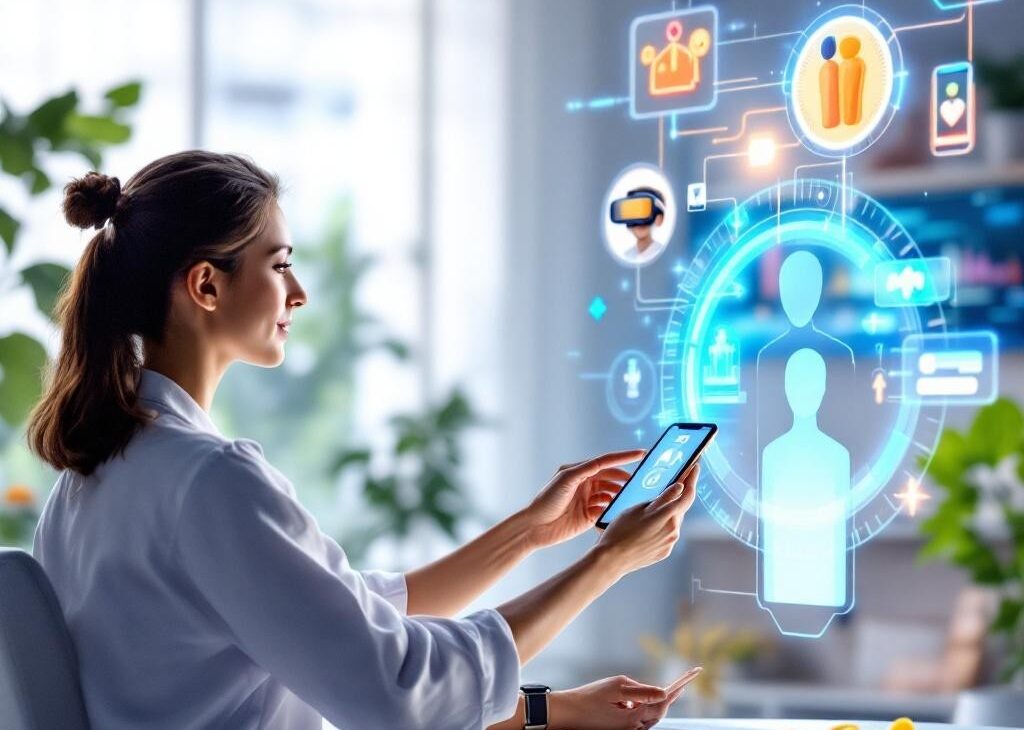
The healthcare landscape is evolving faster than ever. Breakthroughs in technology, shifting patient expectations, and new scientific discoveries are redefining how we approach wellness—and if you’re not paying attention, you could be missing out on life-changing advancements.
From AI-driven early disease detection to gut health optimization, these 10 trends are reshaping healthcare in 2025. Whether you’re a health enthusiast or just looking to upgrade your routine, these innovations will make you rethink how you care for your body and mind.
Let’s dive in.
1. AI-Powered Preventative Healthcare
Artificial intelligence is no longer just for tech—it’s revolutionizing early disease detection.
- Wearables & apps now predict health risks (e.g., irregular heartbeats, diabetes risk)
- Chatbot symptom checkers provide instant medical guidance (e.g., Ada Health)
- AI scans medical records to flag potential issues before symptoms appear
Why it matters: Catching problems early saves lives and reduces healthcare costs.
2. Personalized Nutrition Based on DNA & Microbiome
Forget one-size-fits-all diets—2025 is all about precision nutrition.
- At-home gut microbiome tests (like Viome) recommend tailored foods
- DNA-based diet plans optimize for energy, weight, and longevity
- Continuous glucose monitors (CGMs) for non-diabetics track blood sugar responses
Action step: Try a nutrigenomics test to discover your ideal diet.
3. At-Home Health Testing Goes Mainstream
Lab testing no longer requires a doctor’s visit.
- Comprehensive blood tests (e.g., Everlywell) measure vitamins, hormones, and more
- Home cancer screening kits detect early markers (e.g., ColoGuard)
- Fertility & hormone tests empower women’s health
Bonus: Faster results = quicker interventions.
4. Mental Health Tech: Beyond Therapy Apps
Mental healthcare is becoming more accessible and high-tech.
- VR therapy for anxiety and PTSD exposure treatment
- Neurofeedback devices (like Muse) train your brain to reduce stress
- Psychedelic-assisted therapy (where legal) for depression breakthroughs
Key insight: Mental health is finally getting the innovation it deserves.
5. Longevity Medicine: Aging Backwards
Science is cracking the code on slowing (and reversing?) aging.
- NAD+ boosters (e.g., NMN supplements) for cellular repair
- Senolytics – Drugs that clear “zombie cells” contributing to aging
- Epigenetic testing reveals your biological (vs. chronological) age
Future-proof your health: Start intermittent fasting and resistance training—two proven longevity boosters.
6. Telemedicine 2.0: Smarter Virtual Care
Telehealth isn’t just video calls anymore.
- AI dermatology scans diagnose skin conditions via phone pics
- Remote physical therapy with motion-tracking wearables
- Hybrid care models blend in-person and virtual visits seamlessly
Stat: 80% of patients prefer telehealth for routine visits (McKinsey).
7. Women’s Health Revolution
Finally, female health is getting prioritized.
- Menopause tech (cooling wearables, hormone-balancing apps)
- Fertility wearables (like Ava) track ovulation more accurately
- Postpartum care innovations for better recovery
Why it’s overdue: Women’s health research has been underfunded for decades.
8. Sleep Optimization as Preventative Medicine
Poor sleep is linked to Alzheimer’s, obesity, and heart disease—so 2024 is all about fixing it.
- Smart mattresses adjust temperature for deeper sleep
- Sleep apnea wearables (like Sunrise) detect breathing issues
- Circadian rhythm fasting aligns eating with natural sleep cycles
Quick tip: Stop eating 3 hours before bed for better sleep quality.
9. Digital Therapeutics (Prescription Apps)
Doctors now prescribe apps instead of pills for chronic conditions.
- Diabetes management apps (like Virta) reverse Type 2 diabetes
- Cognitive behavioral therapy (CBT) apps for anxiety
- Chronic pain relief through VR-based programs
Game-changer: These reduce reliance on medications with side effects.
10. Community-Based Healthcare
Health is moving from isolation to connection.
- Fitness clubs with health coaches (like CrossFit + nutritionists)
- Chronic illness support networks (e.g., PatientsLikeMe)
- Local wellness pods for group accountability
Why it works: Social support doubles health outcomes (Harvard study).
How to Adapt Your Health Routine in 2025
- Try one new health tech tool (e.g., CGM, microbiome test)
- Prioritize prevention—get advanced screenings early
- Leverage telehealth for quicker specialist access
- Join a health community for motivation
- Track your biomarkers (sleep, glucose, HRV)
FAQs About 2025 Health Trends
Q: Are at-home health tests accurate?
A: FDA-approved ones (like Everlywell) are—but always discuss results with a doctor.
Q: Is longevity medicine just for the wealthy?
A: Not anymore—basic tactics (fasting, exercise) are free, and testing costs are dropping.
Q: Can AI really replace doctors?
A: No, but it enhances diagnostics—human judgment is still crucial.
Q: How do I start personalized nutrition?
A: Try a gut microbiome test or continuous glucose monitor first.
Q: What’s the easiest trend to try today?
A: Sleep optimization—download a sleep tracker like Whoop or Oura.
Final Thought: The Future of Healthcare Is Proactive
Waiting until you’re sick is outdated. The new era of healthcare is about:
✔ Prevention over treatment
✔ Personalization over generalizations
✔ Technology empowering (not replacing) human care
Which trend will you try first? Your future self will thank you.
Want to go deeper? Explore:
Your health routine shouldn’t stay stuck in the past—upgrade it for 2024. 🚀